

























































The altitude rules depend on the circumstances
Under 14 CFR § 91.119, minimum-altitude requirements generally have an exception when a lower flight is necessary for takeoff or landing. For congested areas, subsection (b) generally sets a minimum of 1,000 feet above the highest obstacle within 2,000 feet. Subsection (c) addresses other areas and, over open water or sparsely populated areas, requires at least 500 feet of separation from people, vessels, vehicles or structures. The regulation is available from the Legal Information Institute and the eCFR.
What has been reported about the flight
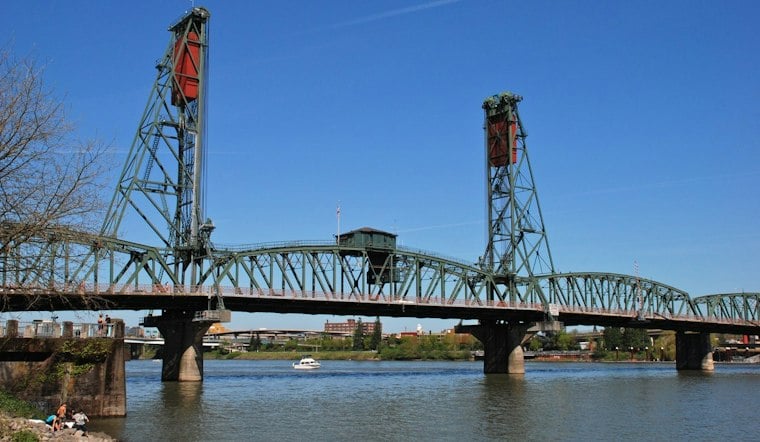
KPTV reported that witnesses saw a propeller plane move along the Willamette River, take off, pass beneath a Portland traffic bridge and continue climbing over downtown. Bridge cameras recorded the maneuver, according to KPTV.
River traffic through downtown
The river corridor is also used by other traffic. A City of Portland ferry-feasibility study described the Willamette stretch from the Steel Bridge to Ross Island as constrained and more heavily trafficked by small recreational craft. The Oregon State Marine Board’s Willamette River Recreation Guide says the river below Willamette Falls is often congested with recreational and commercial traffic. These sources provide context for river passage through downtown, but do not explain the Hawthorne Bridge’s lift-span operations.
The Federal Aviation Administration confirmed to KPTV that it is investigating. FAA spokesperson Crystal Essiaw told the station that pilots are required to operate without endangering people or property on the ground.
The reported sequence and the cited altitude rules do not by themselves establish whether the takeoff exception applied or whether the flight complied with federal requirements. KPTV reported that the FAA is investigating; the article provided no findings from that investigation.





