

























































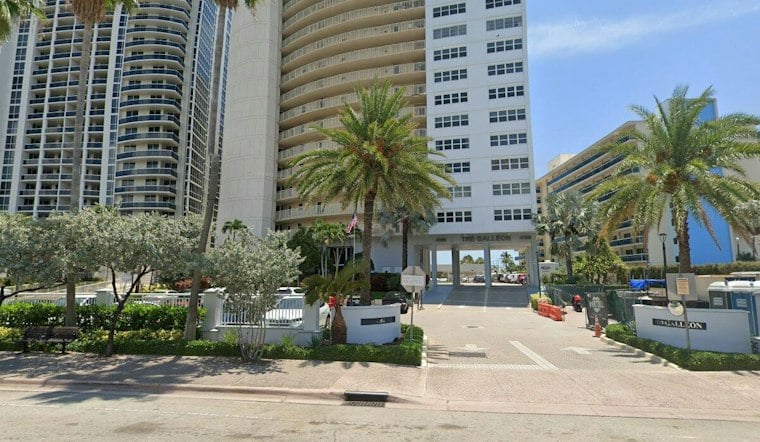
The contractor’s explanation
Hartzel, the contractor on the Galleon project, told CBS News Miami that its initial agreement covered a limited amount of structural restoration. The company said the association later broadened the work through owner-approved change orders and additional contracts, and attributed the higher final cost to those decisions as well as the original contract.
The reported cost and work
CBS News Miami reports that the project’s price has grown from $1.6 million to $36 million during five years of construction. Owners face assessments of $135,000 to $320,000 each. The station reports that work extends across several floors and that the pool and patio area is now a concrete platform.
Residents and board oversight
The station reported that Sergio Cella, a pilot and mechanical engineer who has lived in the building for 30 years, was still dealing with cracks on his 14th-floor balcony after three repair attempts. It also reported recalls, lawsuits and resignations involving the board. The board president dismissed residents’ complaints and, in recent days, sold his unit and resigned, according to the report. Edward Rumin, a lawyer and former board member, told the station residents had not been adequately informed as costs escalated and that he doubted owners would recover the money.
The statewide regulatory context
Florida’s post-Surfside safety and reserve-funding requirements have contributed to a broader wave of condominium inspections and repair costs, according to The Real Deal. State law generally requires condominium and cooperative buildings at least three habitable stories tall to undergo milestone inspections beginning at 30 years of age and at ten-year intervals afterward; local agencies may set the first inspection at 25 years for buildings in areas with relevant local conditions, under Florida Statutes, Section 553.899. The Florida Department of Business and Professional Regulation says associations are responsible for arranging and paying for milestone inspections and must complete a structural integrity reserve study at least every decade.



