

























































Cesar Chinchilla went in for a back surgery meant to relieve his neck pain. He never woke up. Five years after the 56-year-old married father of two died, the anesthesiologist involved in his care has finally faced state discipline — a one-year probation, a $7,500 fine, and mandatory continuing education in the very skills at issue in his death.
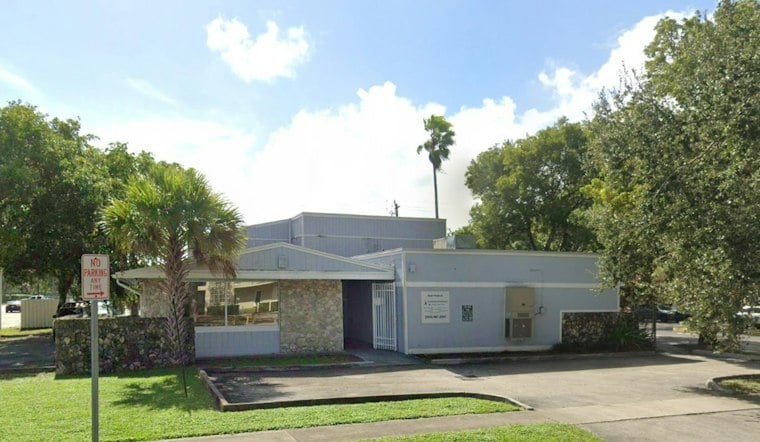
Chinchilla underwent an anterior cervical discectomy and fusion, a procedure meant to relieve pain caused by pinched nerves in the neck, according to Miami Herald reporting on the case. The surgery took place at Advanced Orthopedics and Spine Surgery in Hollywood, Florida, with Dr. Jorge Melgen administering the anesthesia. According to the administrative complaint detailed by the Herald, Melgen allowed Chinchilla's blood pressure to fall below 20% of his preoperative baseline during the procedure — a deviation from the standard requiring blood pressure to stay within 10% to 20% of baseline, as the Florida Department of Health determined.
After surgery, Melgen extubated Chinchilla and evaluated him 10 to 15 minutes later, per the administrative complaint. Chinchilla remained unresponsive, with a sluggish left pupil. Melgen arranged for Chinchilla's emergency transfer to Memorial Hospital in Hollywood but, according to the complaint, did not secure his airway before that transfer. Chinchilla was pronounced brain dead at the hospital.
A Known, Narrow Window to Act
The medical stakes in that window after extubation are well documented. Research published in the Journal of Spine Surgery notes that acute post-operative airway obstruction following anterior cervical spine surgery can cause hypoxic encephalopathy, anoxic brain injury, cardiac arrest, and death if oxygenation and an open airway are not re-established within minutes, according to AME Publishing Company. A 2025 systematic review and meta-analysis in PubMed Central found that post-operative airway compromise occurs in 0.78% of these fusion procedures, with unplanned reintubation needed in 0.45% of cases and overall mortality at 0.17%. The numbers are low, but the review underscores that airway compromise remains a known, severe risk requiring constant monitoring and immediate intervention.
Florida law treats that risk as a matter of hard regulation, not just best practice. Under Section 458.328 of the Florida Statutes and Rule 64B8-9.009 of the Florida Administrative Code, physician offices performing Level III surgical procedures involving general anesthesia must register with the state and maintain explicit written emergency protocols for airway blockage and immediate hospital transfers, according to the Florida Board of Medicine. Those same facilities must undergo pre-registration and annual inspections unless nationally accredited, and specified physicians, anesthesia providers, and recovery personnel must meet Advanced Cardiac Life Support documentation requirements, per standards cited by the law firm Howell, Buchan & Strong.
Years Between the Death and the Discipline
The timeline between Chinchilla's death and Melgen's state punishment stretches across half a decade. Chinchilla's family settled a civil lawsuit against Melgen and Advanced Orthopedics and Spine Surgery in 2022, with Melgen's malpractice insurance paying the family $250,000, the Miami Herald reported. That lawsuit would have had to clear Florida's mandatory pre-suit screening process first — state law under Section 766.106 requires malpractice claimants to undergo a 90-day screening period and submit a verified expert medical opinion supporting reasonable grounds for negligence before a case can proceed, a hurdle Hoodline previously detailed in a separate wrongful-death case.
Melgen's one-year probation from the Florida Department of Health did not take effect until September 17, 2026 — five years after Chinchilla died, as the Miami Herald reported. The probation runs through September 16, 2027. Along with the $7,500 fine, Melgen was ordered to pay $10,948 in Department of Health case costs and must complete five-hour continuing medical education courses in anesthesia and risk management.
A Long-Standing License, A Quiet Response
Melgen has held his professional license since April 29, 2003, according to the Herald's account of state records, and his Florida medical license, ME87484, was originally issued in July 1998 and remains active through January 31, 2027, per Florida Department of Health licensing records. He completed a general surgery internship and anesthesiology residency at the University of Miami/Jackson Memorial Hospital between 1998 and 2002, followed by an anesthesiology fellowship at the Bascom Palmer Eye Institute, the same state records show. He currently holds staff privileges at Mercy Hospital and Larkin Community Hospital, and operates a private practice, Jorge Melgen, M.D., P.A., registered at 935 NW 15th Avenue in Miami, according to Sunbiz corporate filings.
Melgen did not answer emails sent to the address listed on his Florida Department of Health profile, the Miami Herald reported. The Department's rules require physician offices performing Level II and Level III surgeries to maintain surgical logs, a record-keeping mandate that becomes central whenever state investigators examine an outpatient death.
Chinchilla's case echoes an earlier one Hoodline reported in March, when a Weston surgery ended in brain injury after a separate South Florida anesthesiologist faced an administrative complaint alleging prolonged low blood pressure and low oxygen during the operation; the patient was transferred with a breathing device in place. Together, the cases point to a recurring gap between when something goes wrong in an outpatient surgical suite and when the state's disciplinary process catches up.





