

























































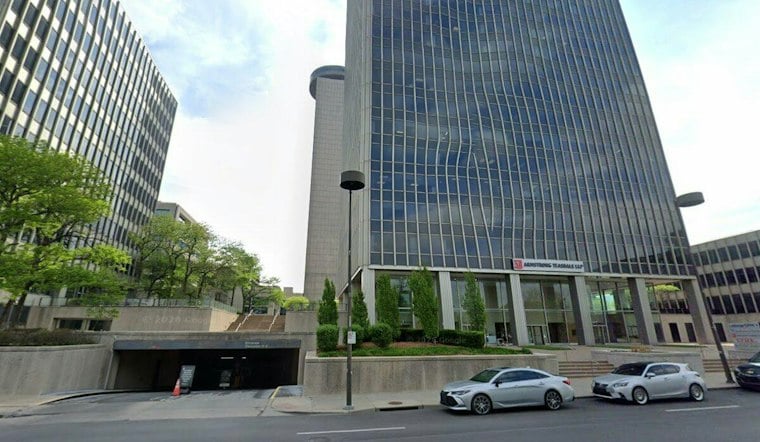
About a dozen immigrants ages 9 to 17 appeared Thursday at Kansas City Immigration Court without a parent beside them, according to KCUR. The children have pending or approved applications for Special Immigrant Juvenile (SIJ) classification. None was ordered deported that day, and their cases remain unresolved.
The hearing illustrates a consequential distinction in the process: SIJ classification is not, by itself, permanent residence or a guarantee of protection from deportation. The children’s individual circumstances and eventual case outcomes were not established in KCUR’s account.
Classification does not complete the path to a green card
U.S. Citizenship and Immigration Services says a person granted SIJ classification may be eligible to apply for a Green Card by filing Form I-485. That means approval of the SIJ petition is a step toward possible permanent residence, not a Green Card itself, according to USCIS guidance.
Visa availability can matter while an applicant waits to seek permanent residence. The U.S. Department of State’s April 2025 Visa Bulletin said all available EB-4 visas for fiscal year 2025 had been used, so embassies and consulates could not issue visas in the category for the rest of that fiscal year. The bulletin does not give SIJ-specific wait times or show how waits vary by country of birth.
A separate protection, deferred action, has also changed. The Immigrant Legal Resource Center says an April 10 USCIS memo ended automatic consideration for deferred action for young people granted SIJ status. USCIS describes the change as applying to certain recipients unable to adjust status because a visa is unavailable, whose SIJ-based Form I-360 was filed on or after May 10. This is not the same as a decision on any individual child’s immigration-court case.
The Kansas City cases are still pending
KCUR reported that the children’s attorneys had less than a week’s notice to bring their clients to court in person, although hearings are usually held virtually. Each child has a follow-up hearing scheduled in the coming weeks, the station reported. The available account does not establish what will happen at those hearings or whether the policy change determines any child’s case.
The court’s workload is part of the local backdrop, though it does not explain the circumstances of this particular hearing. KCUR, citing TRAC, reported that the Kansas City Immigration Court backlog rose from 4,989 cases in 2016 to 18,225 in 2021 and has hovered around 50,000 since 2024.
A lawsuit challenges the policy change
Legal services organizations have challenged the end of deferred-action consideration for SIJ recipients. The National Immigration Project said the plaintiffs seek declaratory and injunctive relief, including reinstatement of the 2022 SIJS Deferred Action Policy. That announcement describes the relief sought; it does not establish a court ruling.
For the children who appeared in Kansas City, the immediate hearing ended without a deportation order. Their cases remain open, with further hearings ahead; the cited reporting and public guidance do not resolve the outcome for any individual child.





