

























































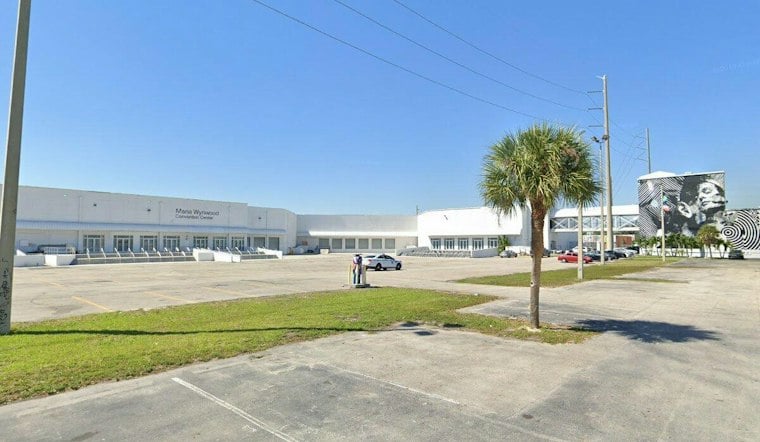
Billionaire Ken Griffin has committed $3 billion to Carnegie Mellon University, and $2 billion of that gift is earmarked for a brand-new Miami campus planned on more than 35 acres in Wynwood. The remaining $1 billion will support Carnegie Mellon's existing operations in Pittsburgh. Construction on the Wynwood site is slated to begin in 2027, with the university aiming to enroll its first students in 2028, pending regulatory approvals.
The gift, detailed in an announcement from Carnegie Mellon University, lays out a campus meant to grow into a serious presence once fully built. The university says Carnegie Mellon Miami is expected to support more than 3,500 undergraduate, master's and PhD students, nearly 300 faculty members and over 600 staff members when fully developed. According to the university, the Miami campus will organize learning around societal challenges rather than traditional academic majors, pairing Pittsburgh's expertise in AI, computer science, robotics, health and biological discovery, national security and energy and climate resilience with a second home in South Florida.
The land itself comes from a separate, related transaction. Griffin paid $1.1 billion to buy the Wynwood property assemblage previously owned by Moishe Mana, according to the Miami Herald, which reports that the Citadel CEO is donating the land to Carnegie Mellon. The Real Deal describes the Mana Wynwood property sold to Griffin as a 30-acre property.
A Billion-Dollar Discrepancy in the Numbers
Not every account of the deal lines up. A data report from The Real Deal described the planned campus as aided by a $3 million donation from Griffin, a figure that is sharply out of step with the $3 billion gift detailed in Carnegie Mellon's own announcement and reported widely elsewhere. The discrepancy remains unresolved in the available reporting, and this article does not attempt to reconcile the two figures.
Property descriptions have varied too. The site has alternately been described as the more-than-35-acre campus footprint, the roughly 30-acre Mana Wynwood Convention Center parcel, and the broader 45-acre Mana portfolio — a reminder that the exact final boundaries of Carnegie Mellon's Wynwood campus have not been pinned down in public reporting.
Developers Bet on a Neighborhood Already Building Fast
Wynwood isn't waiting around. The neighborhood added more than 1,500 residential units in the 18 months before a recent report from Commercial Property Executive, which also pointed to the 1 million-square-foot Wynwood Plaza project — 509 apartments, 266,000 square feet of office space and roughly 25,000 square feet of retail — as evidence of the area's momentum. The outlet reported that local business and development leaders expect the new campus to push even more investment into retail, restaurants, hotels, office space and housing.
Developers and planners interviewed by the Miami Herald say they expect offices, restaurants, housing and hotels to spring up around the campus once it's built. A land-use attorney who worked on Wynwood's zoning overhaul told the newspaper he anticipates a significant increase in the number of projects proposed and built in the neighborhood. Separately, industry leaders told The Real Deal that Carnegie Mellon's presence will boost property values and leasing activity across Wynwood.
Office Space Sits Empty While Rents Climb
The optimism runs up against some uncomfortable numbers. Wynwood's office availability rate stands at 30.6 percent — by far the highest of any Miami submarket and more than twice the overall metro average — even as 206,000 square feet of new office space is under construction there, according to Bisnow. That's the second-largest office pipeline of any Miami submarket, trailing only Brickell's 863,000-square-foot buildout.
Housing costs are already a concern. The average apartment rent in Wynwood runs $3,468, well above the city's overall average of $2,761, per RentCafe data cited by the Miami Herald. An urban planner told the paper that the university's arrival will only compound the neighborhood's existing need for transit and housing — a tension that predates Carnegie Mellon's announcement but that the new campus is expected to sharpen.
Pittsburgh's Floods, Miami's Rising Seas
Carnegie Mellon frames the two-campus model as a chance to study starkly different environmental challenges side by side. Pittsburgh deals with flash flooding and combined-sewer issues, while Miami faces coastal erosion, tropical weather and rising sea levels, the university notes in a piece describing the dual-campus approach. Whether that framing translates into concrete research partnerships remains to be seen, but it underscores the university's pitch that a Miami outpost offers something Pittsburgh cannot.
Commercial real estate players in the area expect the campus to create new demand for housing, retail and office space in Wynwood. That regional framing fits into a broader economic-development push: Griffin and Related Companies chairman Steve Ross have committed $10 million to the Ambition Accelerated campaign, an effort led by the Florida Council of 100 aimed at persuading business leaders nationwide to build or relocate companies to Florida.
For now, Wynwood remains a neighborhood in transition — one that has already shifted from warehouses and neglected streets into a destination for art, culture, dining and development, long before Carnegie Mellon entered the picture. The deal that put the land in Griffin's hands traces back to Mana, who sold his Wynwood property assemblage to the billionaire investor. Whether the coming campus accelerates that transformation on terms that work for existing residents and businesses, or simply adds fuel to an already overheated market, is a question that will play out over the next several years as construction timelines, enrollment targets and zoning approvals move from announcement to reality.





