

























































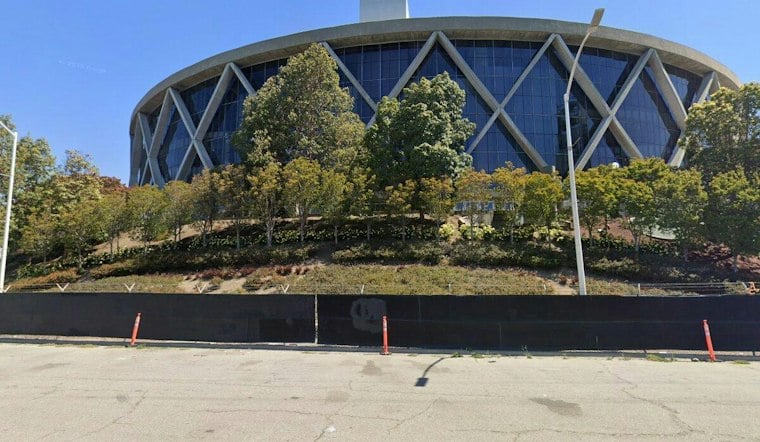
Led Zeppelin's return to the Bay Area in the summer of 1977 was supposed to be a triumphant homecoming after a long absence. Instead, two sold-out shows at Oakland's Alameda County Coliseum became forever linked to a backstage brawl, four misdemeanor arrests, and a lawsuit that dragged on for more than a year.
A Sold-Out Return After a Long Absence
Promoter Bill Graham booked Led Zeppelin for two Day on the Green shows at the Oakland Coliseum, scheduled for July 23 and July 24, 1977, according to Led Zeppelin News. The band's official website confirms both dates, listing the July 23 performance and the July 24 performance at the Coliseum. The shows marked the band's first Bay Area appearances following a two-year gap tied to Robert Plant's 1975 car accident, with the band's own site quoting an apology for “the two-year delay.”
Demand for tickets was intense. Per the Led Zeppelin News account, 30,000 tickets sold in the first 90 minutes after they went on sale on July 5, 1977, with 85,000 sold by the end of that same day. Attendance figures for the run are murkier, though: the same outlet reports 115,000 total ticket purchasers across both dates, while the band's official website describes the July 23 show alone as playing to “the packed house of 54,000” — a discrepancy the available record does not resolve.
A Dispute Over a Trailer Sign Turns Violent
The trouble began backstage on July 23, when festival employee Jim Matzorkis asked Warren Grant — the 11-year-old son of Led Zeppelin manager Peter Grant — not to remove a sign from a dressing-room trailer, according to the same Led Zeppelin News report. What followed escalated into violence that left three Bill Graham employees assaulted, per an account from Led Zeppelin security employee Greg Baeppler cited by the outlet. John Bonham, Peter Grant, tour manager Richard Cole, and Led Zeppelin security employee John Bindon were all accused of being involved, the report states.
According to the original reporting, the injured employee was rushed to the hospital bleeding. Reported accounts describe Peter Grant, John Bonham, and John Bindon as allegedly beating Matzorkis, with Cole reportedly standing guard during the assault — allegations drawn from later recollections rather than adjudicated findings. Separately, per Bill Graham's later account as relayed by biographer Mark Blake, Bindon knocked crew member Jim Downey unconscious in another confrontation, and Cole swung a piece of aluminium tubing at stage manager Bob Barsotti.
Bill Graham himself later said his security guard had politely told Warren he could not take the sign, while John Bonham claimed he saw the incident from the stage and that the guard had hit the boy — two conflicting versions of how the confrontation started, according to the original reporting.
Arrests at a San Francisco Hotel
Two days later, on the morning of Monday, July 25, 1977, police arrived at the San Francisco Hilton with misdemeanor arrest warrants for Peter Grant, John Bindon, John Bonham, and Richard Cole, according to Led Zeppelin News's account of Baeppler's recollections. All four were taken to the Oakland Police Department without handcuffs. Bill Graham signed a letter of indemnification tied to the previous night's incident before the second show.
A separate account from Primidi states that Graham signed a letter of indemnification tied to the previous night's incident before Led Zeppelin's second Oakland show. The four men later received bail and pleaded no contest, receiving suspended sentences, per the same source.
Three Bill Graham employees — identified in lawsuit filings hosted on Scribd as James C. Matzorkis, James L. Downey, and Robert N. Barsotti — brought a civil action against Led Zeppelin and the Dutch business that employed the band, seeking $2 million, according to Led Zeppelin News. Per the original reporting, the case lasted over a year before it was settled out of court for an undisclosed fee.
A Final U.S. Performance and a Lasting Legacy
According to The Guardian, the group's last show on U.S. soil followed the incident in Oakland. The fallout extended beyond the courtroom: Led Zeppelin News also reports that the backstage violence drew political attention, including a request that authorities investigate what had happened at the festival, with the matter raised in connection with the band's immigration status as of September 8, 1977.
Bill Graham later discussed the episode in a chapter of his autobiography.





