

























































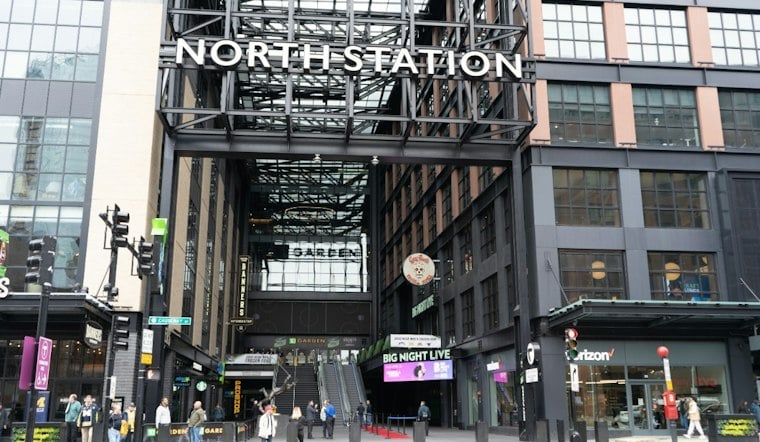
Boston's transit agency is looking skyward for a solution to one of its messiest, longest-running problems: pigeons. The MBTA is considering bringing in trained falcons and hawks to scare birds away from stations across the city, amid complaints about pigeon droppings at North Station.
The idea traces back to an August 2026 Request for Information in which the MBTA sought input from falconry experts about what it called a Birds of Prey Program, aimed at using trained raptors to deter pigeons, seagulls and starlings from stations and facilities, according to StreetsblogMASS. MBTA Deputy Press Secretary Lisa Battiston confirmed in October that the agency received two vendor responses to that RFI, and staff are now reviewing them before deciding whether to move forward with a formal Request for Proposals for a pilot program, as reported by The Heights. Per the MBTA, the agency has not yet started taking bids from bird handlers, according to WHDH.
Pigeons, seagulls and other birds are drawn to MBTA stations in search of food, and riders describe them as a persistent nuisance, WHDH reports. Riders have complained about pigeon droppings at North Station, per the same StreetsblogMASS report.
Netting and Trapping Among the MBTA's Measures
The MBTA has already leaned on netting to keep birds out of stations, alongside spikes and sonic devices, WHDH notes. The agency also ran a 2026 trapping pilot program at its maintenance facilities that captured and relocated approximately 218 pigeons, according to Boston 25 News.
The issue also carries stakes beyond mess. Bird droppings can carry diseases and pose risks to riders and MBTA employees, WHDH reports, and pest-control research backs that up: accumulated droppings can carry pathogens capable of transmitting histoplasmosis, cryptococcosis and psittacosis, according to Allison Pest Control. Pigeon droppings also carry a pH between 3 and 4.5, and the uric acid they contain causes electrochemical corrosion that eats into structural steel, concrete and roofing on transit facilities, according to PestPatrol.
A Playbook Already Tested on the West Coast
The MBTA wouldn't be the first transit agency to try this. San Francisco's Bay Area Rapid Transit launched a hawk-hazing program in spring 2022 featuring a Harris's hawk named Pac-Man, and expanded it to 12 stations by 2024 while reporting significant success scaring off pigeon flocks, per The Heights.
The science behind it is straightforward. Master falconer Bill Johnston Jr. has explained that raptor hazing works by triggering the hardwired instinct of prey birds to flee predators, pushing pigeon flocks away from roosting sites without the raptors ever needing to kill them, as reported by Transit Talent.
Not Everyone Wants the Birds Gone
Falconry also sidesteps a problem that has dogged other physical deterrents. Passive netting installed on scaffolding and transit structures in nearby regions like New York has drawn public criticism when birds became entangled in the mesh, requiring emergency rescue interventions, as Hoodline previously reported on Bayonne Bridge netting.
Still, not every rider is on board with chasing the birds off at all. Some riders have told WHDH they'd prefer the MBTA simply leave the pigeons alone. For now, the agency's next move hinges on internal review of the two vendor responses to its RFI, with no formal procurement process yet underway.





