

























































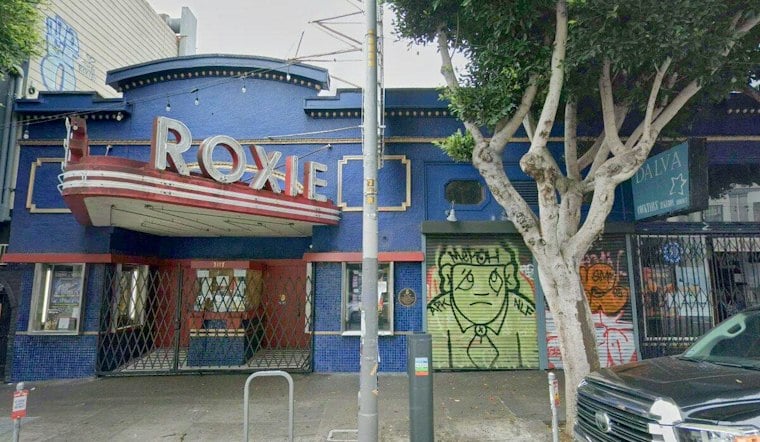
The 18th San Francisco Latino Film Festival opens Thursday at the Roxie Theater with STREET SMART: Lessons from a TV Icon, an 85-minute documentary by Ernie Bustamante that profiles Sonia Manzano, who played Maria on Sesame Street for 44 years as one of American television's first regular Latina characters. The festival runs through November 1 across multiple San Francisco venues, with a lineup of roughly 50 features, documentaries, and short films from around the globe and the Bay Area, according to KTVU.
A Documentary Legacy Beyond Sesame Street
Manzano's decades on the beloved children's program came before she went on to create the animated PBS series Alma's Way, according to Rotten Tomatoes. The opening-night selection underscores the cultural weight organizers have placed on the festival's 2026 program, which spans screenings at the historic Roxie at 3117 16th Street and other spaces through November 1, with a geo-fenced virtual program for Bay Area residents running October 26 through November 5, according to SF/Arts.
Screenings this year are not confined to the Mission District's best-known movie house. The festival's footprint also includes Artists' Television Access, per the same SF Funcheap account cited for the festival's full venue list.
MAXITA U.S. Premiere Planned at Main Library
One of the festival's most notable community offerings arrives on October 31, when MAXITA, a Brazilian documentary directed by Mariana Machado and Ana Maria Machado following Yanomami shaman Davi Kopenawa, gets its U.S. premiere at the San Francisco Main Public Library, as reported by SF Funcheap. The documentary follows a journey from the Amazon to mining regions and considers responsibility toward the land.
Human Authorship Rules and a Venue Fighting for Survival
For its 2026 edition, festival organizer Cine+Más SF instituted an explicit ban on generative AI films, requiring that narrative, visuals, screenplay, and core acting performances be demonstrably authored and executed by human creators, according to the festival's listing on FilmFreeway. Post-production AI software for technical tasks like color grading and audio cleanup remains permitted under the festival's rules, per the same listing. The San Francisco Latino Film Festival is presented by Cine+Más SF, an arts group that operates as a fiscally sponsored project of Fractured Atlas, a 501(c)(3) non-profit organization, the FilmFreeway page notes.
The Roxie itself carries its own story of institutional resilience. The theater, founded in 1912 and renamed in 1933, became an art and independent film center after its 1976 purchase and a community-based nonprofit during Christopher Statton's 2010–2013 tenure; it is one of the oldest continuously operating movie theaters in the United States, according to the Roxie Theater's own history. The 300-seat theater signed a purchase agreement in 2024; Mission Local reported in April 2025 that it was $1.4 million short of buying the building, and the San Francisco Chronicle reported the purchase in July 2025.
Festival Anchored in the Mission
The festival opens in the Mission District, at the Roxie Theater.
Hoodline has covered Houston's festival turning 10.





