

























































Memphis-Shelby County Schools has a new board chair and vice chair just as the district braces for a state-appointed panel to seize control of its budget, contracts, and school closures. The board elected District 4 representative Tamarques Porter as chair and District 5 representative Sable Otey as vice chair on September 29, replacing former chair Natalie McKinney, who received one vote for reelection before ultimately casting her own vote for Porter.
A Leadership Change With High Stakes
The transition comes as Memphis-Shelby County Schools remains the only school district in Tennessee to meet every trigger criterion under a 2026 state law authorizing takeover, according to WATN-TV. Tennessee lawmakers passed House Bill 662 and Senate Bill 714 in April 2026, and Governor Bill Lee signed the measures into law the following month, creating a nine-member state-appointed board with power to intervene in underperforming districts. Porter and Otey, both first elected to the board in August 2024, told the Daily Memphian they are confident the board can weather the storm, with plans to focus on teacher development and rebuilding trust even as the state takeover looms over the district.
Porter, who works as an IT specialist for the U.S. Department of the Treasury, was one of only three board members who voted against firing former Superintendent Marie Feagins in January 2025, a decision that helped accelerate state lawmakers' push for oversight, the Daily Memphian reports. Otey, an East High School alumna and former physical education teacher who also competed for Team USA as a bobsledder, holds a Master's in Education and previously worked on secondary physical education curriculum development for the district, according to Memphis-Shelby County Schools.
What the State Board Actually Controls
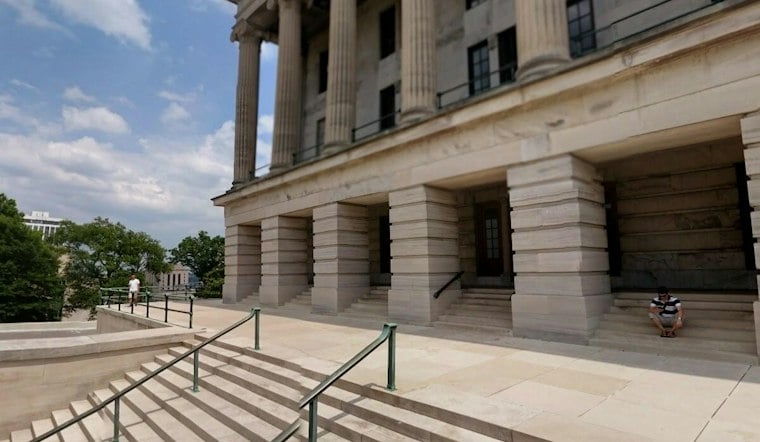
Under the takeover law, the nine-member state oversight panel — not the elected school board — holds final approval authority over district annual budgets, contract approvals exceeding $50,000, school closures, charter authorizations, and potential superintendent contracts through 2030, per the same Daily Memphian reporting referenced earlier. Elected MSCS board members retain their seats, but lose final say over the core financial and administrative decisions that used to define the job. Former MSCS board chair Billy Orgel was appointed in May 2026 and elected in June 2026 to lead that state panel, which also includes former MSCS superintendent Dorsey Hopson, according to Chalkbeat. The panel held its first organizational meeting at the Tennessee State Capitol that same month.
The takeover has not yet taken effect. U.S. District Court Judge Waverly D. Crenshaw Jr. issued a temporary block on June 30, 2026, following a joint federal lawsuit filed by MSCS and Shelby County government, but he signaled this month that he will lift the stay once the state panel affirms under oath that it is ready to operate, according to the Tennessee Education Report. That timeline leaves the newly elected board leaders stepping into their roles with the clock already running.
Local Money, Local Divisions
The fight over the takeover has split local officials over how much taxpayer money to spend contesting it in court. The Shelby County Commission voted 8-3 in May to allocate $200,000 toward litigation challenging the takeover, though Commissioner Britney Thornton pushed to end the funding in August. State lawmakers have separately barred school districts from using education funding directly for litigation against state accountability measures.
Meanwhile, state lawmakers allocated between $6 million and $7.6 million for a comprehensive forensic audit of Memphis-Shelby County Schools to investigate potential fraud, waste, and financial mismanagement, according to WATN-TV. That scrutiny arrives as the district grapples with shrinking enrollment — MSCS lost more than 2,000 students this year, dropping to roughly 101,000 for the 2026-27 school year, part of a decade-long decline that has already forced the closure of five underenrolled schools, the Memphis Flyer reports. Enrollment has fallen roughly 9 percent since 2014, driven by expanding private voucher programs and lower local birth rates.
For Porter and Otey, the challenge now is steering a board that still answers to voters even as its authority over budgets, contracts, and school closures shifts toward Nashville. Their stated focus on teacher development and trust-building suggests an effort to keep the district's day-to-day mission from getting swallowed by the legal and political fight over who ultimately runs Memphis-Shelby County Schools.





