

























































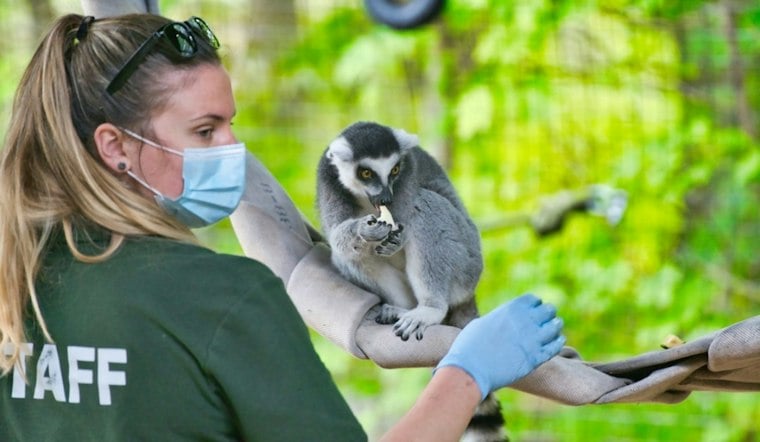
WildCare Oklahoma admitted its 10,000th injured wild animal this year, a record for the Noble-based rehabilitation center that is now grappling with the financial strain of caring for more creatures than ever before. The milestone arrived this past week, and staff say it caps a surge in admissions driven by everything from sprawling development to extreme weather.
“This past week we admitted patient 10,000,” said Inger Giuffrida, executive director of WildCare Oklahoma, according to koco.com. The nonprofit, located in Noble, has surpassed its previous record of more than 9,500 patients set in 2025, per KFOR. This year alone, the center has treated more than 250 different species, according to Giuffrida.
Injured and displaced animals have been arriving in record numbers, and the diversity of patients has grown alongside the volume, per KFOR's reporting. Giuffrida explained that every species that comes through WildCare's doors needs its own diet, medical care, habitat, physical therapy and flight enclosure before it can be released back into the wild, a complexity that multiplies the center's workload with each new type of animal it takes in.
What's Driving the Surge
Giuffrida pointed to several forces behind the rising admissions: more people learning about WildCare's services, new development pushing wildlife closer to residential neighborhoods, and extreme weather, according to KFOR. WildCare Oklahoma veterinarian Mattie Yates offered a similar assessment in an interview with KGOU, saying the increase is “partly because of more public awareness, habitat degradation and changes in migration patterns.”
The organization is now projected to receive more than 10,000 animals per year, which KGOU reports marks a 50% jump over the past decade. With a limited number of animal enclosures and staff, the center leans heavily on volunteers to keep up, the station noted. Earlier this year, staff also linked intense heat to shifts in animal behavior that fueled a surge in admissions, telling koco.com that the center was fielding roughly 275 calls a day, many involving animals struggling with extreme temperatures.
Spring tends to bring its own wave of need, as what koco.com's sister outlet described as “a creeping tide of injured, abandoned, or sick juveniles” arrives each year. More recently, the center reported patient volume running about 30% higher than the same period last year, with strong winds and dog and cat attacks sending a steady stream of baby animals into its care.
Record Intake, Rising Costs
The record-breaking admissions are creating a real financial challenge for WildCare Oklahoma. Giuffrida said every animal that arrives represents a direct cost the center must cover, spanning food, shelter and veterinary care, and she noted that veterinary treatment in particular is expensive. The nonprofit has received more donations this year, but the average donation amount has dropped, leaving funding unable to keep pace with the growing caseload.
WildCare Oklahoma says on its own site that its annual budget runs at $1,745,400, with 95% of that revenue going directly to animal care, and that it receives no federal, state, county or United Way funding. The organization describes itself as operating a full-service native wildlife medical clinic that fields more than 42,000 wildlife-related calls each year through its statewide helpdesk, and it reports a 70% live-release rate for patients that survive their first 24 hours in care. Despite being described by KGOU as one of the nation's largest wildlife rehabilitation centers, WildCare says it runs on just one-third to one-half the budget of comparably sized operations elsewhere.
A Pattern Beyond Oklahoma
Rehabilitation centers outside Oklahoma are seeing similar pressure. In Pennsylvania, Raven Ridge Wildlife Center in Lancaster County cared for 1,500 animals in 2025 with intake still climbing, according to goerie.com, while Tamarack Wildlife Rehabilitation Center was on pace to admit 2,000 patients in a single year, a five-fold increase over a decade. Raven Ridge told the outlet that treating a single eagle for lead poisoning can cost roughly $1,000 or more a month, and that the center has spent nearly $1,500 on food for birds of prey over stays averaging just two and a half to three weeks.
Humane Animal Rescue's rehabilitation center in Verona, Pennsylvania, reported a record number of wildlife admissions as well, according to WPXI, with the facility treating more than 4,600 animals with two months still left in the year, surpassing its previous record from 2021. Back in Oklahoma, Giuffrida said the center expects continued upward pressure from rising admissions, expanding human development and climate change in the years ahead.





