

























































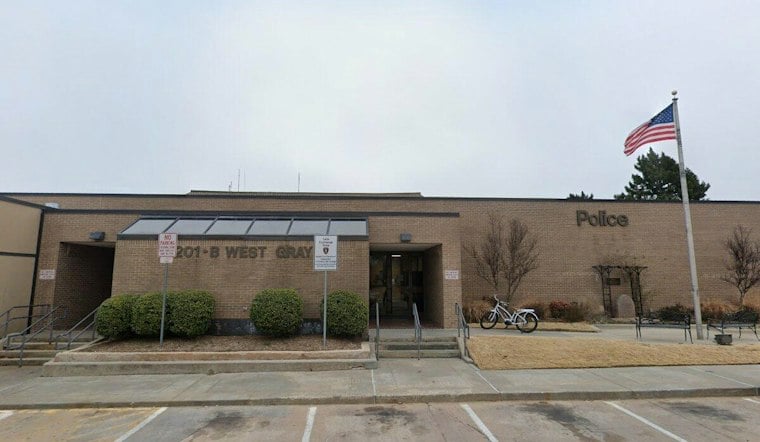
Oklahoma investigators have clawed back more than $581,000 in cryptocurrency from scammers who posed as bank employees and threatened victims with police involvement unless they paid up. The seizure capped a cybercrime investigation that began after a Norman woman reported a chilling phone call, one that falsely accused her of a bank transaction tied to child sexual abuse material.
A Threatening Call Sparks a Statewide Probe
The case opened on August 24, when the Norman Police Department asked the Oklahoma State Bureau of Investigation for help after the woman came forward, according to News 9. She told police that scammers posing as bank employees had contacted her about the alleged transaction and warned her that authorities would be notified unless she sent money through cryptocurrency, the outlet reported.
A Norman police detective began tracing the cryptocurrency transactions tied to the complaint, work that uncovered a far larger scheme. Investigators determined the scammers had contacted multiple victims not just in Oklahoma but across neighboring states and Canada, per the same News 9 account. As reported by KOKH, the new cybercrime scam has cost Oklahomans thousands of dollars.
Dozens of Victims, Seven Figures Recovered
Authorities say dozens of victims have reported combined losses of more than $70,000 so far, the station's report notes. OSBI agents obtained a warrant and ultimately seized more than $581,000 in cryptocurrency that had been stored in the scammers' accounts, a figure that dwarfs the losses reported to date and suggests the operation reached well beyond the victims identified so far.
Investigators believe the people behind the scheme are operating overseas, according to the same report. OSBI agents are now working with the Oklahoma Attorney General's Office to return the stolen funds to victims.
Part of a Broader Pattern of Bank and Government Impersonation
The Norman case fits a pattern authorities elsewhere in Oklahoma have flagged for months. The FBI has separately warned that scammers are impersonating bank representatives and fake FBI agents to pressure Oklahomans into handing over banking and personal information, according to KJRH. That warning described callers posing as bank representatives who tell victims there's a problem with their account, often using spoofed numbers that can mimic even the FBI's own Oklahoma City office line.
One Broken Arrow man told KJRH he received nearly half a dozen calls in just a couple of weeks from a number appearing to belong to Chase Bank, despite not having an account there. The tactic mirrors a nationwide surge: reported cryptocurrency scam losses reached $9.3 billion in 2024, a 66% increase from the previous year, according to the FBI's Internet Crime Complaint Center as cited by the Journal Record. Officials quoted in that report said fraudsters are increasingly leaning on artificial intelligence, fake profiles and social media to push fraudulent digital investment schemes.
How to Protect Yourself and Report a Scam
The Oklahoma Department of Securities has separately cautioned investors to be wary of cryptocurrency pitches promising quick returns or a financial pot of gold, per the Journal Record's reporting. The Federal Trade Commission notes it will never threaten someone, demand a money transfer, insist on depositing cash in a cryptocurrency ATM to protect it, or tell someone to withdraw cash or buy gold to hand to a stranger, according to guidance posted on ReportFraud.ftc.gov.
Anyone targeted by a similar impersonation scheme is advised to contact local law enforcement and file a report with the Internet Crime Complaint Center, including any available scammer contact details and financial information, according to a public service announcement from the IC3. Oklahomans who believe they have encountered cryptocurrency fraud or deceptive digital-asset practices can also file a complaint directly with the Oklahoma Attorney General's Office.





