

























































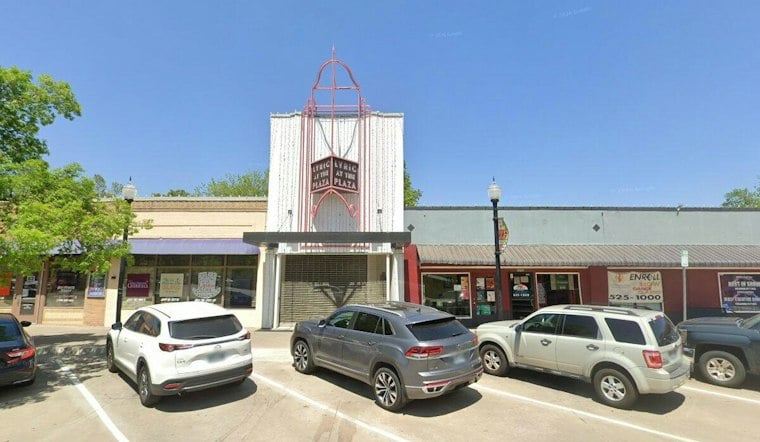
A ticket to the Lyric Theatre's A Christmas Carol costs as little as $99 at the Oklahoma City box office. On resale sites, the same seat has been listed for nearly $400 on StubHub and as much as $1,009 on a site called Tickets Center. That gap is exactly what Oklahoma lawmakers and performing arts leaders say they are trying to close with a bill aimed at ticket-buying bots.
Venues Say Bots Are Cutting the Line
According to KOSU, Oklahoma lawmakers are considering tighter restrictions on online ticket resales after Danielle Ezell, executive director of Oklahomans for the Arts, testified at a Senate Business and Finance Committee interim study on Monday. Ezell told the committee that automated bots buy up normally priced tickets and resell them at large markups, sometimes multiple times over, hurting families, seniors and box-office staff alike. As reported by The Journal Record, Ezell put it bluntly: “Bots are cutting in line ahead of hardworking Oklahoma families and then selling those same seats back to them at a much higher rate.”
Box office leaders from across the state gathered at the Capitol on Monday to back the effort, per the same report, with representatives from the Civic Center Music Hall, the Oklahoma City Philharmonic, Tulsa Opera, the McKnight Center for the Performing Arts in Stillwater and the Goddard Center for Visual and Performing Arts in Ardmore all sharing similar stories about bots and online scalpers. Ezell said she also reached out to the Tulsa Performing Arts Center, which reported the same ticket resale problem, and that the McKnight Center shared comparable stories of its own, per KOSU.
Thousands of Bad Tickets Every Year
The scale of the problem shows up in the numbers box offices are tracking. The Civic Center Music Hall, led by Elizabeth Gray and working with organizations including the Oklahoma City Philharmonic, Oklahoma City Ballet, Canterbury Voices, Lyric Theatre of Oklahoma, Painted Sky Opera and OKC Broadway, has sold more than 2.2 million tickets through its primary system since adopting it in 2016, moving roughly 260,000 tickets across 240 to 260 performances every year, according to KOSU. Despite that volume, the hall sees five to 10 people arrive with problem tickets at every single performance, adding up to thousands of people a year, the Journal Record reports.
The financial toll is just as steady. The hall has averaged $17,000 a year in credit card disputes over the past five years, the outlet's report states, mostly tied to third-party sellers who failed to resell their tickets. Cain's Ballroom in Tulsa has faced the same kind of resale fraud, according to KOSU, and now warns customers directly: the venue's own FAQ tells patrons to buy only at the Cain's Ballroom box office or through Etix.com, cautioning that resale sites such as StubHub, Vivid Seats and SeatGeek should be approached with caution.
Families Caught in the Markup
Lyric Theatre has had to warn its own patrons away from inflated resale listings, including one for Come From Away priced at $1,075 on StubHub for seats that cost between $32 and $98 at the Lyric box office, per KOSU. Families who do get burned have told their stories directly to lawmakers. Candee Brossman's family discovered its tickets were invalid after already waiting in line for an event, according to KOCO, saying simply, “our tickets were no longer valid,” and missing part of the performance as a result. In another case cited by the same station, tickets listed on StubHub for $450 were available directly from the BOK Center for $45.
The Bill Oklahoma Lawmakers Are Reviving
The legislative response is Senate Bill 1241, introduced this year by Sen. Bill Coleman of Ponca City, who called the interim study himself, according to KOSU. The bill would establish the Oklahoma Fraud and Ticketing Accountability Act, and per a report from Coleman posted on his Substack newsletter, it is meant to prohibit bots or deceptive tactics used to bypass electronic ticketing queues and buy large quantities of tickets for inflated resale. That same account notes that tickets increasingly sell out almost instantly online, only to reappear on third-party platforms for double or even triple their original cost.
Under the bill's definitions, a bot is any device or software that bypasses security measures or ticket limits to obtain retail admission tickets, and the legislation would specifically prohibit bots that use multiple IP addresses to exceed ticket limits or circumvent queues, presale codes, sale limits and security protocols, per KOSU. The bill would ban bots from purchasing event tickets altogether, with an exception carved out for sports tickets. Enforcement would be triggered by a harmed person or organization suing the company using bots to resell tickets, rather than through a separate state enforcement arm, according to the same report. Coleman has said he would not support capping ticket prices outright, preferring to preserve a free-market approach while acknowledging that fraud and bots are real problems in online ticket sales.
The bill passed committee unanimously earlier in 2026 but did not get a vote on the state Senate floor, the Journal Record reports. Coleman plans to run the bill again with continued backing from Ezell and other venue and certified-seller leaders, who are pushing broadly for tighter regulation of secondary ticket markets.
Bot Chaos Beyond Oklahoma
Oklahoma's push mirrors fights playing out on bigger stages. Garth Brooks announced that ticket sales for a third planned Kansas City show had been shut down due to excessive bot activity, and he and promoters were evaluating next steps and the show's future, according to a post reported by KSHB. More than 90,000 people were in the queue once tickets went on sale, and Brooks said most of them were bots holding tickets throughout the floor and lower bowl, limiting access to those seats for real fans. Per Ezell's account relayed through KOSU, Brooks ultimately canceled the planned Nov. 7 matinee, the third Kansas City show, after more than 90,000 people joined the ticket queue; he said most of them were bots. Brooks has also announced that every ticket on his 2026 tour would cost the same price, aiming to counter scalping and bot-driven markups.
Beyoncé's 2023 concert at Arrowhead Stadium faced a similar scheme, according to KMBC, which reported that a federal complaint alleges more than 1,300 accounts linked to Reps & Co. bought more than 7,600 tickets and made more than $833,000 in resale profits. Federal regulators have taken their own swings at the problem under the Better Online Ticket Sales Act, which the Federal Trade Commission says makes it illegal to circumvent security measures, access-control systems or other technological controls used to enforce posted ticket limits.





