

























































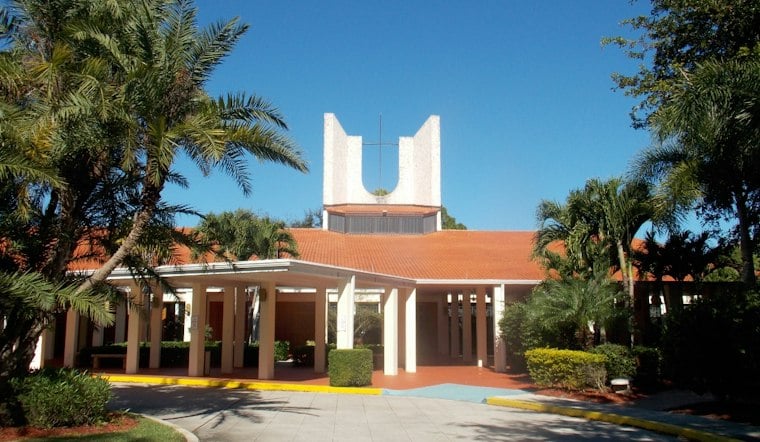
More than 100 people turned out this week as NorthStar Day Program celebrated its opening in Palm Beach Gardens, marking what organizers describe as the first neurodivergent day program of its kind in southeast Florida. The new facility combines education, therapy, and behavioral health care under one roof for children ages 5 to 12 with ADHD, ADD, autism, and other neurodivergent needs.
The turnout included state and county representatives, according to WPEC, which reported that services at this level of accessibility remain uncommon across South Florida. NorthStar Day Program Chief Executive Officer James McManus, a licensed mental health counselor who has worked in the field since 2007, was motivated to launch the program by his own experience raising a child diagnosed with apraxia at age two — an experience that forced his family to navigate multiple disconnected specialty providers, according to NorthStar Day's team page.
The Palm Beach Gardens facility sits inside the Northcorp Corporate Park at 4750 East Park Drive, Suite 110, and was built with children's sensory needs in mind. It includes quiet rooms, sensory and movement spaces, and a custom honeycomb hideaway structure designed to help kids feel secure during care, per the same team page.
How the Program Structures Care
NorthStar Day operates Monday through Friday from 8:30 a.m. to 2:30 p.m., delivering structured care across two acuity levels: a Partial Hospitalization Program for day treatment and an Intensive Outpatient Program, according to the program's own site. Those models are designed to bridge the gap between weekly outpatient therapy and full residential placement.
Clinical operations and training are overseen by co-founder and Chief Clinical Officer Dr. Brandi Rials, a psychologist and faculty member who teaches graduate-level courses, per NorthStar Day's team page. Dr. Rials specializes in expressive arts therapies and neurodivergent pediatric care.
To address challenges that often accompany developmental and behavioral conditions, the program's multidisciplinary team includes pediatric nutritionists who lead sensory exposure snack activities for children struggling with restrictive feeding behaviors and speech or language barriers, according to a job listing describing NorthStar Behavioral Health's staffing needs. Restrictive eating and sensory food aversion frequently co-occur with pediatric neurodivergence.
Part of a Larger Behavioral Health Network
NorthStar Day operates under the umbrella of NorthStar Behavioral Health, an integrated healthcare network that also includes Palm Beach Behavioral Health & Wellness, the Children's Neurodevelopmental Alliance, and NS Psychiatry. The parent organization provides psychology training and specialized psychiatric care across its affiliated clinics.
NorthStar Day Program plans to expand the facility in the near future, according to WPEC's reporting, though specific future locations have not been detailed. The opening comes as national data points to a growing need for such services: the Centers for Disease Control and Prevention's April 2025 Autism and Developmental Disabilities Monitoring Network report found that 1 in 31, or 3.2 percent, of 8-year-old children in the U.S. were identified with autism spectrum disorder in 2022, up from 1 in 36 in 2020. The finding appears in the Centers for Disease Control and Prevention report.
Paying for Care and the Regional Backdrop
Cost remains a central question for families considering day treatment. Florida families with neurodivergent children can tap the Family Empowerment Scholarship for Students with Unique Abilities, an education savings account with an average value of $10,000 that can fund private therapies, specialized programs, and educational services, according to Step Up For Students. Families considering day treatment may want to ask providers about payment options.
The new program is in Palm Beach County, according to PalmBeachCounty.com.
The opening also arrives amid broader state efforts to protect neurodivergent youth. Florida launched its Spectrum Alert system on July 1, 2026, under House Bill 711, which authorizes law enforcement to issue emergency public broadcasts when an autistic child goes missing or wanders from home or school — a safeguard Hoodline covered in its report on a missing St. Augustine teen. Wandering or elopement affects nearly half of children on the autism spectrum, underscoring why integrated day programs like NorthStar Day are drawing attention from families across the region.



