

























































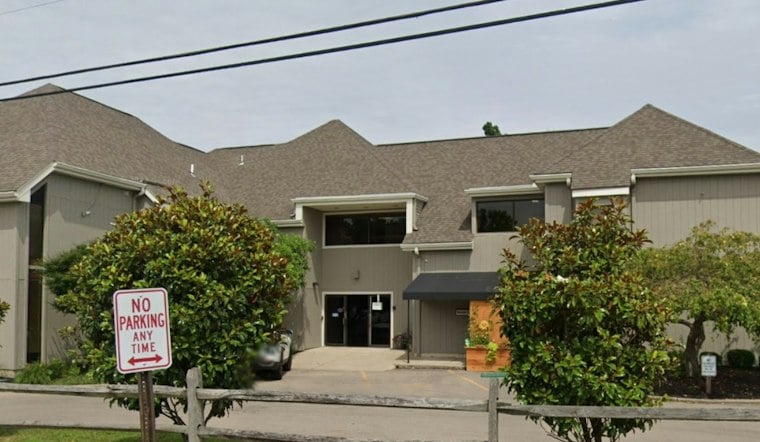
Planned Parenthood Southwest Ohio Region has launched dedicated menopause and perimenopause care services at its Dayton and Cincinnati health centers, giving local patients a new option for symptoms that many say have long been dismissed by other providers. The expansion arrives alongside a push for state legislation that would force insurers to cover the treatments, though that bill has yet to get a single hearing in the Ohio Statehouse.
New Clinics Target a Long-Standing Care Gap
The new program, confirmed by Dayton Daily News, means PPSWO health centers in Dayton and Cincinnati will now treat patients seeking relief from menopause and perimenopause symptoms. Menopause is clinically defined as the stage of life reached 12 months after a person's last menstrual period, while perimenopause — the transitional period that precedes it — can last several years and bring hot flashes, night sweats, fatigue and other disruptive symptoms, according to the same report.
Gwynne Perry, assistant medical director at PPSWO, said patients navigating this stage of life have often been dismissed, belittled or minimized, and some may simply stop seeking care altogether. The outlet reports that persistent gaps and limitations in menopause care training within family medicine residency programs across the country help explain why so many patients feel unheard by their regular doctors.
Training Gaps Documented Nationally
That training shortfall isn't unique to Ohio. A national study published by The Menopause Society in September found that 56% of U.S. family medicine residency program directors believed their own menopause education needed improvement, with programs lacking formal competency assessments. A separate survey highlighted by Contemporary OB/GYN found that only 31.3% of OB-GYN training programs included a dedicated menopause curriculum, showing the care gap extends well beyond primary care into specialized gynecological training.
Nationwide, fewer than 1,700 healthcare clinicians hold official credentials as Certified Menopause Practitioners through The Menopause Society, according to data reported by InvestigateTV — a shortage that underscores why dedicated clinics like PPSWO's new offering stand out. Nan Whaley, president and CEO of Planned Parenthood Southwest Ohio Act, said the dismissal of menopause-care concerns ends here, adding that the organization's health centers provide providers who use evidence-based information and develop individualized treatment plans.
A Bill Stuck Without a Hearing
Alongside the clinical expansion, Planned Parenthood Southwest Ohio Act is promoting House Bill 767, also known as the Menopause, Perimenopause, and Hormone Therapy Coverage Act, which would require health insurers to cover menopause and perimenopause treatments. The bill was announced at a press conference at the Mt. Auburn Health Center, per Dayton Daily News. State Rep. Ashley Bryant Bailey, who sponsored the legislation alongside Rep. Anita Somani, said inconsistent insurance coverage remains a barrier to treatment for patients across the state.
The financial stakes behind that argument are steep. Bryant Bailey has separately reported that out-of-pocket hormone replacement therapy in Ohio costs patients between $500 and $1,000 on average, largely because many insurers classify menopause care as elective or cosmetic, according to News From The States. House Bill 767 was introduced in March, backed by 21 Democratic co-sponsors, before being referred to the House Insurance Committee later that month — but the committee has not yet conducted a first reading of the bill, according to Dayton Daily News.
Workplace Costs and a Growing Patient Base
The economic argument for action extends beyond individual medical bills. A Mayo Clinic study estimated that unmanaged menopause symptoms cost U.S. employers $1.8 billion annually in lost work time, with nearly 11% of working women aged 45 to 60 missing workdays due to symptoms, based on a survey of more than 4,000 employed women. Demographic projections cited by FP Analytics indicate that roughly 90 million women in the United States will be postmenopausal by 2060 as life expectancy continues to rise, adding urgency to calls for expanded midlife healthcare infrastructure.
Patient advocacy reports published by Ms. Magazine indicate that up to 75% of women who consult healthcare providers about disruptive perimenopausal or menopausal symptoms leave without receiving medical treatment — a statistic that helps frame why clinics like PPSWO's are positioning themselves as a dedicated alternative. Ohio's HB 767 is part of a broader wave of state-level action, with similar menopause insurance coverage or workplace education bills introduced in Missouri, Rhode Island, Michigan and Georgia, according to News From The States.
How to Access the New Services
PPSWO acquired the Women's Med Center of Dayton in 2024, expanding its footprint in the region ahead of this latest service launch. Patients can find appointment information at ppswo.info/menopause or by calling 513-287-6484. The organization also offers virtual health consultations across Ohio, allowing patients to access perimenopause and menopause consultations remotely in addition to in-person visits at the physical health centers in Dayton and Cincinnati, per Planned Parenthood Southwest Ohio Region's own service directory.
Whether HB 767 moves forward remains an open question, given that it has sat in the House Insurance Committee without a hearing since being referred there in March. For now, the clinical expansion stands as the more immediate change for patients in the Dayton and Cincinnati areas, even as the legislative fight over who pays for that care continues.





