

























































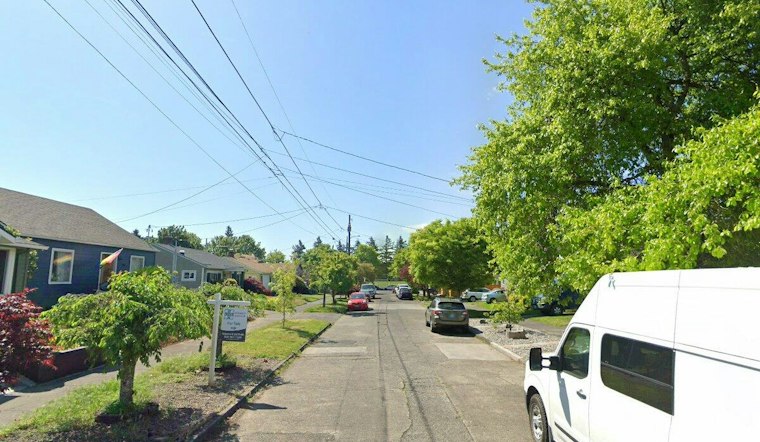
Portland Fire & Rescue crews scrambled to a vegetation fire Thursday evening after warning that gusty winds could push the flames directly into a row of homes. The department reported the blaze in progress at 6:17 p.m. Thursday, flagging the threat to nearby structures as a top concern for responding crews.
The fire bureau shared the update through its official account, Portland Fire & Rescue
posting that a vegetation fire was underway, with concerns that wind could carry flames toward adjacent houses. The warning came in mid-October, as the city's seasonal burn restrictions were easing.
A Burn Ban Lifts Right as Winds Pick Up
The timing was striking. The citywide summer burn ban lifted effective October 15, according to a notice issued through FlashAlert, though the bureau cautioned residents to keep any recreational fires at least 15 feet from structures and dense vegetation. The ban had been in place citywide since mid-June.
Wind can turn a contained grass fire into a fast-moving threat to nearby homes in a matter of minutes.
Flashy Fuels and Fast-Moving Fires
Vegetation fires can spread through grass and brush, which can ignite rapidly and move faster than timber when wind gets involved.
That dynamic helps explain why a vegetation fire pushed by offshore winds can threaten a row of homes so quickly. Fine, dry grass can catch and spread within seconds, and once flames are wind-driven, they can outrun the kind of slow, methodical containment crews might manage on a calmer day.
Why Nearby Homes Were at Risk
Research cited in earlier Hoodline reporting on siding damage from a similar Southeast Portland blaze describes vinyl siding melting 40 to 50 feet from a fully involved structure fire. That kind of heat transfer, rather than direct flame contact, can threaten homes near vegetated lots when wind is pushing fire toward a neighborhood.
The National Fire Protection Association recommends homeowners maintain a three-zone Home Ignition Zone to guard against exactly this kind of scenario, including an immediate zero-to-five-foot noncombustible perimeter around a structure and a five-to-30-foot intermediate zone cleared of dense brush. Defensible space of that kind is designed to reduce radiant heat exposure and give wind-blown embers fewer places to catch.
A Department With Recent Practice Scaling Up
Portland Fire & Rescue is Oregon's largest fire protection agency, maintaining 31 stations across a 160-square-mile service area and responding to 89,422 emergency calls in fiscal year 2024–2025 for more than 615,000 residents, per the bureau's own performance data. The department has had recent practice responding to vegetation fires near urban areas. On August 28, crews called a second alarm for a brush fire near NE 80th Avenue.
Outside of Forest Park, the bureau has also identified the Oaks Bottom Wildlife Refuge in Southeast Portland as its top wildfire concern this year after responding to three separate vegetation fires there in a single year. Both cases illustrate a recurring pattern across Portland's wildland-urban interface, where dense neighborhoods border brush-filled natural areas that can carry fire toward homes when conditions align.
Evacuation Protocols if Flames Advance
The Portland Bureau of Emergency Management relies on a three-tiered evacuation framework for incidents like this: Level 1, or Get Ready; Level 2, or Be Set; and Level 3, or Go. Officials warn that fast-moving, wind-driven fires can force immediate Level 3 evacuations without prior notice, underscoring why crews treat any vegetation fire near homes as an urgent priority rather than a routine brush call.


