

























































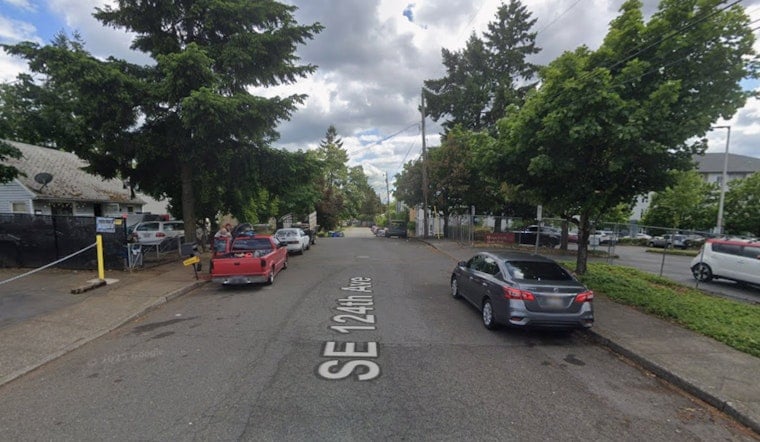
City records had already flagged a Southeast Portland property as a fire hazard before flames tore through it, and the blaze spread heat intense enough to melt siding on a neighboring house. One neighbor summed up the terror of watching it unfold with a simple, chilling observation: “Our house is melting.”
The fire and the property's history were detailed in a report from KOIN, which found that city records had flagged the Southeast Portland property as a fire hazard prior to the blaze. Once the fire took hold, flames spread to neighboring homes in the area, according to the station's report.
The mechanics behind that kind of structure-to-structure damage are rooted in basic fire physics. Research compiled by Fire Engineering shows that radiant heat from a fully involved structure fire can melt vinyl siding on neighboring homes as far as 40 to 50 feet away and, in some cases, ignite the wall sheathing underneath. That thermal transfer explains why a neighboring house can sustain visible heat damage even before flames ever make direct contact with it.
A Fire Hazard Flag That Preceded the Blaze
Under Portland City Code Title 29, the city's Property Maintenance Regulations, the Portland Bureau of Development Services can cite properties for fire hazard violations covering things like accumulated combustible waste, overgrown vegetation, or severe exterior decay. Those citations trigger mandatory correction notices and daily civil penalties meant to force owners to fix the conditions. If those notices go unaddressed on an unoccupied structure, Chapter 29.40 of the city code allows the city administrator to declare the building a derelict or dangerous structure, opening the door to public abatement or even court-authorized demolition.
Portland has also built inter-agency infrastructure specifically aimed at catching these situations before they turn into fires. The city's Distressed Property Strategy, described by the Oregon Knowledge Bank, coordinates joint inspections among the Portland Police Bureau, Portland Fire & Rescue, and code enforcement staff to target abandoned or “zombie” homes suffering from unauthorized occupancy, trash accumulation, and fire hazards. Whether that coordinated review process touched this particular property before the fire is not addressed in available reporting.
A Summer of Extreme Fire Risk Across the City
This blaze landed in the middle of an unusually fire-prone stretch of the Portland summer. Portland Fire & Rescue and the Multnomah County Fire Defense Board put a mandatory citywide burn ban into effect starting June 15, prohibiting recreational campfires, fire pits, yard debris burning, and other open flames because of high temperatures and dry vegetation, according to the City of Portland. In early August, Multnomah County health officials layered on consecutive Red Day wood-burning restrictions as triple-digit heat, elevated ground-level ozone, and drifting regional wildfire smoke pushed fire and public health risks even higher, per Multnomah County.
Portland Fire & Rescue crews have been stretched thin responding to that elevated risk. The bureau deployed 24 personnel across Oregon during mid-2026 to assist with statewide wildland fire suppression, even as local urban fire calls and heat-related emergencies climbed, Hoodline previously reported. That same week, crews also battled a second-alarm brush fire along westbound I-84 in Portland, underscoring how frequently the department has had to respond to fire activity this season.
A Pattern of Hazardous Structure Fires This Summer
This isn't the only recent Portland fire where structural conditions complicated the response. In late August, Portland Fire & Rescue crews battled a multi-unit apartment fire in Southeast Portland where burning overhead insulation and downed power lines created severe electrical hazards during the attack, Hoodline reported in its coverage of that dangerous apartment blaze. Around the same time, a firefighter responding to an interior fire in Portland's Foster-Powell neighborhood suffered burns when heavy room clutter contributed to a sudden flashover, illustrating how excessive indoor fuel loads can accelerate a fire's intensity almost instantly.
Portland's fire code also sets specific physical standards meant to prevent exactly this kind of exterior ignition risk, requiring at least 10 feet of clearance between outdoor heat or cooking appliances and any combustible exterior materials, including siding, fences, and dry shrubbery. Those clearance rules exist to reduce radiant heat transmission between an ignition source and a building's walls, though it remains unclear from available information whether that standard played any role in how this fire started or spread.
What triggered the fire at the flagged Southeast Portland property, and whether code enforcement had taken any recent action on the earlier fire hazard citation, are questions not answered in current reporting. As Portland heads into the tail end of a summer marked by burn bans, air quality warnings, and a string of hazardous residential fires, neighbors near flagged or neglected properties are left watching closely for the next one.





