

























































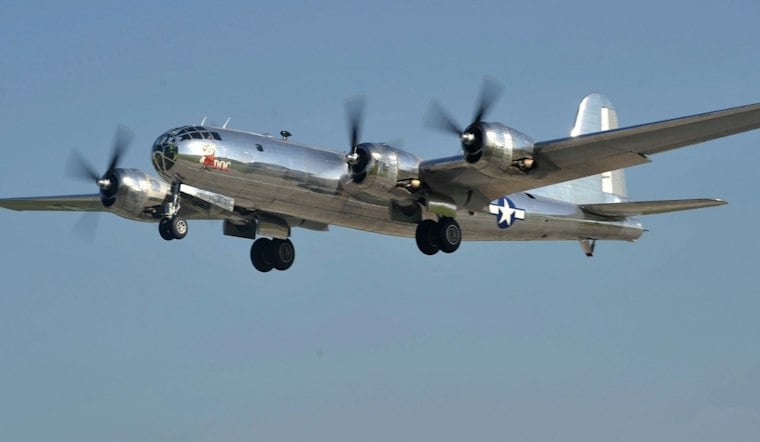
A piece of World War II history touched down at McGhee Tyson Airport on Wednesday, as the B-29 Superfortress known as Doc rolled onto the tarmac for a four-day visit that lets Knoxville-area residents walk through a bomber that almost no longer exists. Doc is one of just two B-29s from the era still capable of flight, and its stop in East Tennessee runs through Sunday.
The aircraft's rarity is the whole story here. According to WATE 6 On Your Side, Doc, based out of Wichita, and FiFi, based out of Dallas, are the only two B-29s left that can still take to the sky. Doc served stateside with a radar calibration unit during its military life, the station reports, a far quieter assignment than the long-range bombing runs the B-29 became known for in the Pacific theater.
From Desert Wreck to Flying Museum
Doc's path back into the air was not quick. The bomber was found in 1987 sitting and rotting away in the Mojave Desert, according to Doc's Friends, the nonprofit that now operates it as a flying museum after restoring it to flying status. The organization notes Doc is one of 1,644 B-29s manufactured in Wichita during World War II.
That restoration was not a quick fix. Volunteers spent 16 years and more than 450,000 hours of restoration work before returning the warbird to flying condition, per a report from cleveland.com when Doc visited Ohio last month. The same account puts the aircraft's ongoing upkeep in context: a volunteer force of roughly 125 people helps maintain, fly and preserve the bomber, and it costs between $15,000 and $18,000 an hour of flight time to operate it today.
Sources Differ on How Many Were Built
Just how many B-29s rolled off assembly lines during the war depends on who's counting. WATE cites a figure of 3,970 B-29s built overall, while a Forbes report from October 2025 puts the number at approximately 3,900 built between 1943 and 1946. Either way, the math underscores how few remain airworthy: two, out of thousands.
Flying Doc at all remains a labor-intensive operation. The bomber would have carried a wartime crew of nine, but per WATE, it now takes six crew members to get it in the air. The aircraft's traveling schedule reflects that same volunteer-driven effort; crew members travel the country, keeping the aircraft in the skies and making sure the past is not forgotten, according to a report from WECT when Doc stopped at Wilmington International Airport alongside a P-51 Mustang fighter last month.
What Visitors Can See in Knoxville
Doc isn't flying solo in Knoxville. The B-29 is appearing alongside the P-51 Mustang Gunfighter as part of the History Restored Tour, which Doc's Friends says is scheduled to run through November 1 at McGhee Tyson Airport. The event offers walk-through tours of the bomber, giving visitors a chance to experience the cockpit, bomb bay and crew compartments up close.
Admission is $10 per person or $20 per family for ramp and cockpit access, with tickets available at the gate. It's a similar setup to stops Doc has made elsewhere this year, including a run of public tours and flight experiences at Cleveland's Burke Lakefront Airport in September. For history enthusiasts in the Knoxville area, the weekend offers a rare chance to get close to a legendary aircraft that, within a few more years, may not be touring anywhere at all.





