

























































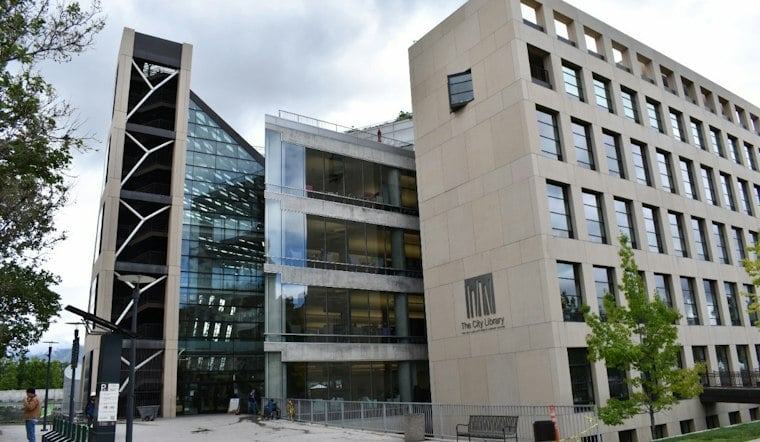
Salt Lake City Public Library employees and former staffers are speaking out about understaffing, workplace culture and fears of retaliation under the system's current leadership, prompting the library board to order an independent review of its practices. The review's findings are scheduled to be presented at a public meeting in February, giving the dispute a concrete deadline even as library leadership and workers offer starkly different accounts of what is happening inside branches.
According to KSL, library employees and former employees have shared complaints including understaffing, retaliation claims and concerns about organizational changes under the current administration. Many of those who spoke up requested anonymity because they still work for the library, the outlet reported. Utah Library Association President Heidi Fendrick said she spoke with 94 people closely affiliated with the library system and compiled their responses into a summarized report, telling the station, “the more people I talked to, the more people I talked to.”
A Children's Library Left Short-Staffed
Former marketing and communications director Quinn McQueen, who left the library before this year's voluntary separations and said she did not sign a non-disparagement clause, told the station the children's library at the main branch has been understaffed since spring. McQueen said employees have continued contacting her with concerns even after her departure, and that some staffers with decades of tenure have resigned or are about to leave. She also alleged that employees who challenge management may later be disciplined for conduct rather than for the act of asking questions, and warned that substitute or poorly trained staff may struggle to provide correct information or help children learn to read.
Fendrick echoed the staffing worries, warning that shortages can create safety concerns for employees and patrons alike, particularly during busy after-school hours. She said there is fear about job security and about speaking openly, and described what she characterized as a lean staffing model in which employees work at different branches on different days. Fendrick added that her concern centers on how the library's strategic plan is being implemented, not the plan itself.
Union Steward Points to Disorganization
Axios reported that union steward John Olshinski said staff reductions have left employees juggling multiple responsibilities, contributing to widespread disorganization, and warned of a loss of valuable experience and institutional knowledge as longtime workers depart. The outlet also reported that library leadership has held 11 staff conversations about the strategic plan, each lasting about two hours, as part of an effort to communicate the changes. Baskett told Axios, “recent changes at the library have caused anxiety among some workers.”
The library's strategic plan, published in 2026, is meant to guide the system through 2034 with an emphasis on expanded access, community awareness and literacy, according to City Weekly. The outlet also reported that the library earmarked $520,000 for FLEX wages in its most recent budget, a 200% year-over-year increase, funding that can pay substitute librarians who pick up front-facing shifts or cover gaps when staff change positions during the year. An anonymous current employee told City Weekly that low morale and worries about health-care costs have fueled fears that the library is trying to cut full-time workers to avoid paying for benefits.
Buyouts, Turnover and a Numbers Dispute
The staffing tension traces back to a voluntary separation program the library system offered in May. The Salt Lake Tribune reported that an email sent to more than 250 full- and part-time library workers gave them a chance to voluntarily leave employment, with the application process running through June 27, 2026. The buyout package included a maximum of 20 weeks of base pay, payouts for accrued vacation and leave, and up to 12 months of continued health insurance coverage, per the Tribune's reporting. Some employees signed non-disparagement clauses as part of those buyout agreements, the library's own staff told KSL.
Library staff told the station that 13 people left in the month before publication, mostly through retirements tied to the voluntary separation agreement, while separately reporting an average monthly turnover rate of 1.3% for 2026 — figures that describe different measures and time frames rather than a single consistent count. The station's report did not establish how those two figures relate to one another or to the roughly 30 employees a separate report said ultimately accepted the buyout payments.
Library CEO Pushes Back
Noah Baskett, who serves as the library's CEO, disputed many of the employees' claims and said most staffing changes have been voluntary. He said retaliation complaints are taken seriously and fully investigated, and that he proposed holding monthly labor-management meetings instead of quarterly ones so staff could bring concerns to the table through their union representatives. The library holds those monthly labor-management sessions specifically so employees can raise issues via their union steward, according to the station's reporting.
Baskett said the library is not moving toward a more lean staffing model and has no plans to reduce services, stating there are no upcoming layoffs. He said the library is instead bringing people into specialist roles and expanding services to the community with its current staff, while providing internal opportunities to match employees with roles suited to their skills. Those statements stand in direct tension with the concerns Fendrick and McQueen raised about a leaner, more stretched-thin workforce, and the dossier does not resolve which characterization is accurate.
What Happens Next
The growing number of complaints led the library board to launch an independent third-party review, and Baskett said he welcomed the scrutiny. The board is expected to select a reviewer next month, with results scheduled for presentation at a public meeting in February. In January, the Salt Lake City Council adopted a collective bargaining agreement between the library and AFSCME Local 1004, giving it final approval on Feb. 3, 2026, according to the Salt Lake City Council. The Utah Library Association, which Fendrick leads, provides networking, scholarship and advocacy work for libraries and librarians across the state, though the organization's exact role in the upcoming review has not been detailed.





