

























































For 10 months after a California law made it legal to photograph court records instead of paying for copies, San Diego County Superior Court kept telling the public it couldn't be done. Signs in the downtown courthouse's records room warned that anyone caught photographing documents would be escorted out of the building, and the policy held even after the law, Assembly Bill 1524, took effect in January.
The gap between state law and local practice came to light after a KPBS reporter requested access to records in several criminal cases this month. AB 1524 allows members of the public to photograph court records themselves rather than pay court personnel to copy them, but the reporter was told that was not an option downtown. A court employee said photographing documents wasn't allowed, and a supervisor went further, telling the reporter the law wouldn't take effect until 2027, according to KPBS's reporting.
That timeline was wrong. AB 1524 had already been in effect for 10 months by the time the reporter visited, and San Diego County's courthouse was still charging the public 50 cents per page for photocopies in the meantime, the station reported. It's unclear how much money the court collected this year from people who might otherwise have photographed records themselves, per KPBS.
Court Blames Other Priorities, Promises a Fix
After KPBS began asking questions, the court said it would issue a revised policy that complies with AB 1524. Court spokesperson Emily Cox said she expects the updated policy to take effect by the end of the week. Cox attributed the delay partly to the court being focused on other priorities, including what she described as a complete changeover of its criminal case-management system.
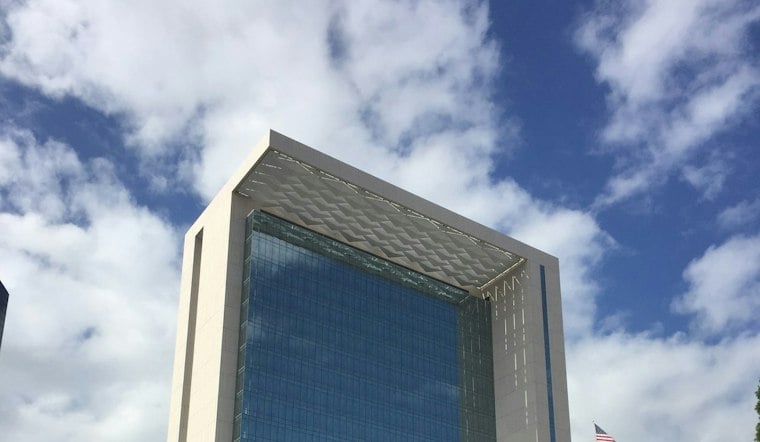
The court acknowledged it had made a mistake, according to the station's report. San Diego County Superior Court is located in downtown San Diego, where the courthouse was photographed on October 23.
Lawmaker's Office Presses State Judicial Council
Word of the lapse reached Sacramento. Democratic Assemblymember Ash Kalra of San Jose, who helped author AB 1524, had his office contact the statewide Judicial Council after hearing about the incident. The Judicial Council assured Kalra's office that it was implementing the measure in good faith, per the same account.
Elsewhere in the state, courts have described the law in plainer terms. The Superior Court of California, County of Santa Clara states on its website that, effective January 1, members of the public entitled to view an electronic court record in the courthouse may use their own equipment, including a cellphone camera, to photograph it as a method of copying. Partial bill text posted by California Legislative Information references trial court records being copied by photographic media or other technology under rules adopted by the Judicial Council, though the full scope of those rules isn't detailed in the excerpt.
First Amendment Coalition Warns of Legal Exposure
David Loy, legal director for the First Amendment Coalition, said excessive charges hinder transparency and that clerks copying every page in a court file, especially files running hundreds of pages, could significantly drain court resources. Loy said the court should consider potential lawsuits seeking reimbursement of unlawful fees charged to members of the public, adding that the court ought to be concerned about its exposure to that kind of claim.
San Diego County Superior Court's own guidance on obtaining copies of court files, posted on its website through the Superior Court of California, County of San Diego, outlines its photocopy fees. With a revised policy expected within days, it remains to be seen whether that guidance will be updated to reflect the photography option the law has allowed since January.





