

























































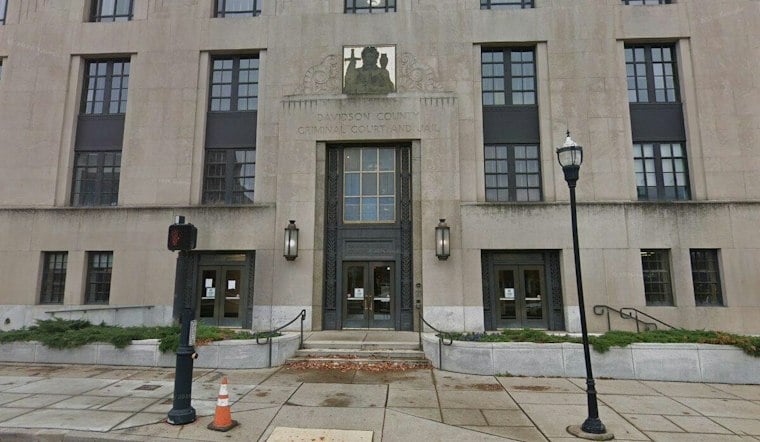
A Haywood County resident has sued the state of Tennessee, alleging that the subcommittee responsible for writing K-12 artificial intelligence guidelines has been doing its work in secret. The petition, filed October 15 in Davidson County Chancery Court, claims the Education Subcommittee of the Tennessee Artificial Intelligence Advisory Council has kept its meeting records unavailable to the public even as it shapes classroom policy affecting students statewide.
The council, created by state law to study AI technology and recommend government policy, tasked its Education Subcommittee with establishing K-12 AI literacy standards, classroom safety rules, and teacher training pathways across Tennessee, according to the petition as reported by WKRN News 2. The lawsuit names the council itself, the Tennessee Department of Finance and Administration, state AI Director Roger Waynick, and Commissioner Jim Bryson as defendants.
At the center of the dispute are emails the petitioner says Waynick sent last month describing the subcommittee's sessions as “essentially research meetings” exempt from Tennessee's open meetings laws, per the petitioner. The petitioner's lawyers counter that the full council is expected to eventually decide and vote on whatever recommendations the subcommittee produces, which they argue makes its work subject to the state's open meetings requirements rather than exempt from them.
What Tennessee Law Says About Governing Bodies
Tennessee law defines a public governing body as any group of two or more people empowered to make decisions or recommendations about public business. The petition argues the Education Subcommittee fits squarely within that definition, and the state's own open meetings statute, Tennessee Code Annotated § 8-44-102, requires deliberations toward public decisions to happen openly, according to the Comptroller of the Treasury.
That legal question has already been tested elsewhere in the state. A Tennessee chancery court ruled in July 2025 that local government committees cannot sidestep the Open Meetings Act by labeling deliberative advisory sessions as non-public “informational” meetings, according to the Tennessee Coalition for Open Government. That ruling rejected arguments that preliminary discussions fall outside the law's reach, a precedent that could bear directly on how the chancery court views the Education Subcommittee's closed sessions.
Officials Have Defended the Subcommittee Structure
Officials Have Defended the Subcommittee Structure Commissioner Bryson has said subcommittees are where most of the council's actual work gets done, the publication reports. Council member Vinay Dattu warned in February that transparency efforts should not get lost within subcommittee structures, while fellow council member Kristin Darby said transparency was built into the council's ethos and would be reflected in future reports. Darby, who also serves as the state's Chief Information Officer, chairs the full council; Bryson is commissioner, while Waynick directs the state's broader AI strategy.
The council was established under House Bill 2325, signed into law by Governor Bill Lee in May 2024, creating a 15-member body to evaluate AI technologies and recommend state policy, according to Akin Gump. The full council's main meetings, such as one held in Nashville in July, are publicly noticed and broadcast online, with citizens required to submit written requests three days ahead of time to speak. That openness at the full-council level is part of what makes the subcommittee's closed-door approach stand out in the petition.
What the Lawsuit Is Asking For
The petition requests a court injunction requiring the council to open all future meetings, maintain public minutes, and release all past subcommittee records. It argues that Tennesseans have a right to observe government decision-making and that public oversight is essential to democratic accountability for statewide education policy, according to the court filing.
Neither Waynick nor Bryson responded to emails and phone calls from the station, and the petitioner's attorneys declined to comment. The council has continued submitting quarterly progress reports to the state as it works toward a final statewide AI Action Plan due by December 31, 2028.
Why the Stakes Are High
The council published its initial AI Action Plan in November 2025, organized around four pillars covering modernization, data and computing readiness, workforce preparation, and safety and accountability, with annual reporting required through 2028, according to OneTrust DataGuidance. Governor Lee's proposed 2026–2027 state budget backed that work with $50 million in targeted funding for AI infrastructure and development, according to Heartland Forward's coverage of the Tennessee AI Summit.
The education stakes are considerable: an April 2025 council report to the General Assembly found that nearly a quarter of Tennessee workers had used generative AI in the preceding week and projected that more than 500,000 jobs statewide could be augmented or displaced by the technology, as reported by the Knoxville News Sentinel. The council recommended age-appropriate AI literacy aligned with state standards.
The dispute also arrives amid a broader fight over government transparency in Tennessee. Lawmakers debated legislation this year, including House Bill 1659, to restrict public access to records on executive job applicants, a trend Hoodline covered in March. How the chancery court rules on the Education Subcommittee's status could set a precedent for how far executive advisory councils across Tennessee state government can go in keeping their deliberations out of public view.





