

























































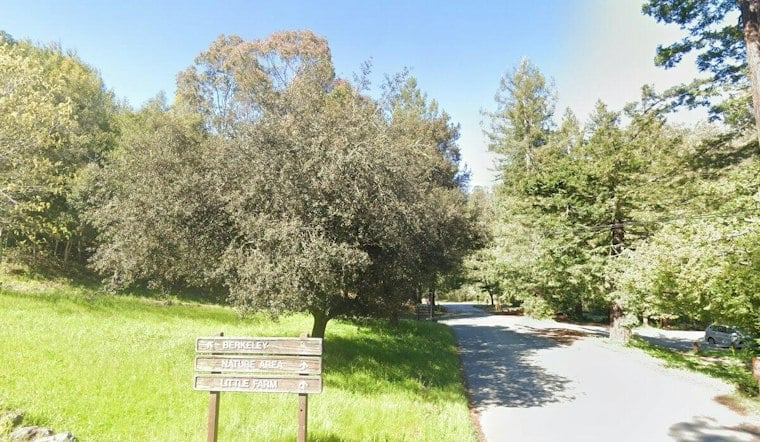
South Park Drive in Tilden Regional Park shuts down to all motor vehicle traffic starting Sunday, November 1, 2026, and it will stay that way through March 31, 2027 — all so newts can cross safely on their way to breed. The East Bay Regional Park District says the five-month closure protects newts migrating and breeding during the rainy season, when the slow-moving amphibians are most likely to end up under a tire.
Walkers, cyclists and dog owners can still use the road during the closure, since the restriction applies only to cars, according to the East Bay Regional Park District. Drivers who normally cut through the park can detour via Grizzly Peak Boulevard, Wildcat Canyon Road or Central Park Drive instead, per Berkeleyside.
Why Newts Need the Road to Themselves
Many of Tilden's newts cross South Park Drive specifically to reach Wildcat Creek, the outlet reports, while some newts in the area cross Wildcat Canyon Road to get to the Regional Parks Botanic Garden, Tilden Golf Course and other pools. The timing isn't random: the closure gives newts room to seek out the higher air moisture levels they favor for breeding, the park district has said.
The East Bay is home to two native newt species, the California newt and the rough-skinned newt, with the California newt being the more common sight in East Bay parks, per the same report. Males develop flattened swimming tails and nuptial pads on their feet during breeding season, while females may develop slightly flattened tails of their own. Some newts stick around in mating pools year-round as long as the water holds, while others spend the dry months tucked into rodent burrows, under rocks and logs, or in other moist hideaways.
Once eggs hatch, the larval newts emerge with striped bodies and external gills, then lose those gills and leave the water as summer progresses, transforming into terrestrial juveniles.
A Quarter-Century of Seasonal Road Closures
This isn't a new idea — the park district has closed South Park Drive for seasonal newt migration for more than 25 years. The agency says newt populations have declined over recent decades, primarily because of habitat loss. A 2018 California road-risk ranking placed the California newt among amphibians facing very high risk, scoring 532, according to a study published in Frontiers in Ecology and Evolution.
The same study, examining a separate population of California newts crossing Alma Bridge Road in Santa Clara County, estimated that unabated road mortality there could extirpate that local population in roughly 92 years. The research also noted that the East Bay Regional Park District's own November-to-March closure on South Park Drive exists specifically to protect California newts crossing during the winter rainy season from vehicle strikes.
In 2023, the South Park Drive closure was extended through April 14, East Bay Times reported at the time. That same report described the roughly 1.5-mile roadway's closure as running from November to April, slightly different framing than this year's official November-through-March window.
Tips for Sharing the Road With Newts
Anyone walking or biking South Park Drive during the closure is asked to watch the ground closely, since newts can be easy to miss underfoot. Cyclists in particular are asked to proceed slowly and keep an eye out. Dog owners should keep their pets away from California newts altogether, since the amphibians are poisonous to pets.
Outside the closed stretch, drivers aren't entirely off the hook. The park district advises motorists to slow down on Wildcat Canyon Road near the Regional Parks Botanic Garden, where many newts cross in an area without the same protection South Park Drive gets. Some newts can travel up to 2.5 miles to return to their home streams, though shorter migrations are more typical.
Animals in East Bay Regional Parks are protected under Ordinance 38, and the park district says collecting or disturbing wildlife is prohibited across all Regional Parks — meaning newts spotted along the way should be left exactly where they're found.





