

























































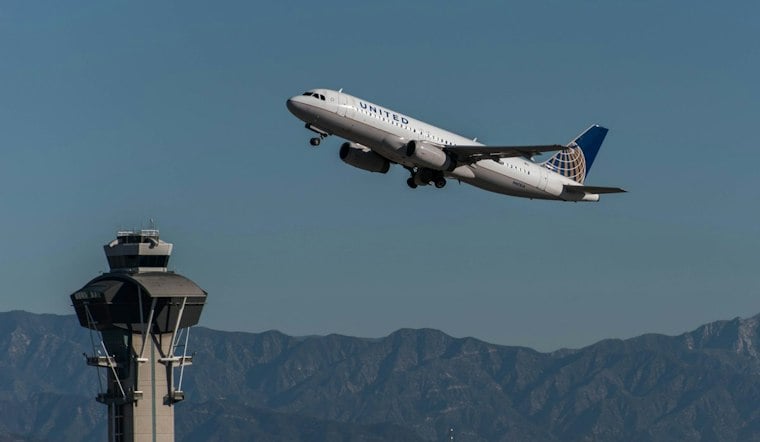
A United Airlines flight from Seattle declared an emergency on approach to San Francisco International Airport Wednesday morning after an odor was detected in the cabin, though the plane landed without incident and every passenger walked off at the gate. All 88 passengers and five crew members aboard the Airbus A320 were safe, with officials declining to say what caused the smell.
United Flight 1372 left Seattle-Tacoma International Airport at 9 a.m. During its flight to SFO, the crew declared an emergency due to an odor in the cabin, according to KRON4. The aircraft touched down at SFO just after 11 a.m. and taxied to the gate, where passengers deplaned normally. Officials did not elaborate on the source of the cabin odor, the station reported.
A Recurring Headache for Cabin Crews
Wednesday's scare is far from an isolated case at SFO. Another United aircraft, Flight 2664, a Boeing 737 MAX 9 bound for Baltimore, was forced to turn back to the airport after a plastic burning smell filled the cabin, according to NBC Bay Area. That flight, carrying 164 customers and eight crew members, landed safely back at SFO at about 10:40 a.m.
Odor-related disruptions have also hit other carriers in recent weeks. American Eagle Flight 5089 turned around roughly 15 minutes after leaving St. Louis for Philadelphia on Oct. 17 because of a reported odor, per USA Today. American Airlines said that aircraft landed safely back in St. Louis and was pulled from service for inspection, with passengers rebooked on other flights. In July, the outlet reported, an American flight from Rome to Philadelphia diverted to Dublin after a reported odor traced to an oven on board.
Why Fume Events Keep Making Headlines
These incidents are part of a much larger pattern across the industry. Smoke or fume events occur on airliners at a rate of more than three per day, according to a CBS News review of FAA incident reports, and Airbus aircraft accounted for about 61% of reported fume incidents in the most recent year reviewed, nearly three times Boeing's share. A Wall Street Journal investigation cited by CBS found the issue was most common on the Airbus A320 family of narrowbody jets, the same model involved in Wednesday's SFO emergency.
The FAA has said rare mechanical failures, including problems with an engine oil seal or recirculation fan bearings, can allow fumes to enter a cabin. Delta told CBS News that its effort to replace auxiliary power units on its A320 fleet was about 80% complete as of the Monday before the report. An occupational medicine specialist at the University of California San Francisco told the outlet he has treated more than 100 flight crew members for toxic exposure.
What Regulators Require
The Federal Aviation Administration does not have a formal definition for a fume event, but airlines are required to file Service Difficulty Reports whenever smoke, vapor or noxious odors enter the cockpit or passenger cabin, according to the FAA. The agency maintains that it has strict cabin-air standards and has stated that studies show cabin air is as good as or better than the air found in offices and homes, per the FAA's cabin air quality page. The agency also points to its Safety Alert for Operators 18003, which lays out procedures for addressing odors, smoke and fumes in flight, according to the FAA's cabin safety education materials.
For now, what triggered the odor aboard Flight 1372 remains unknown. The plane's safe arrival, with all 88 passengers off the aircraft at the gate, closes out the immediate scare even as the broader questions around cabin air quality persist industrywide.





