

























































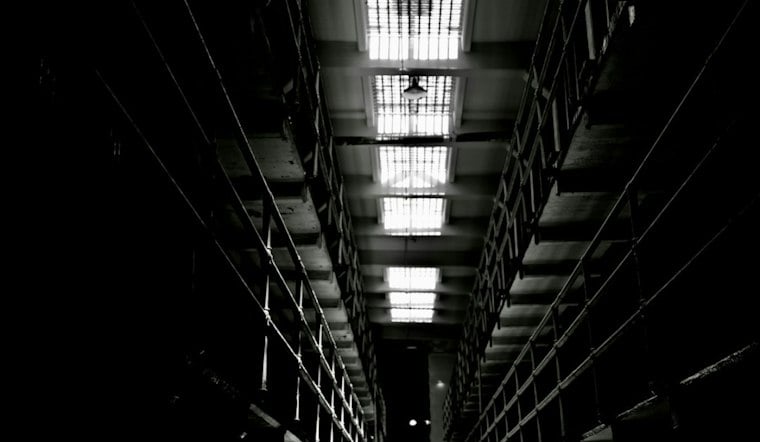
Utah's newest prison cost taxpayers $1.05 billion to build, but state projections now show it could run out of room within the next three years. The Utah Commission on Criminal and Juvenile Justice estimates the state's male prison population will hit maximum operational capacity by the first quarter of 2029, with emergency capacity reached by the fourth quarter of that same year.
A Billion-Dollar Prison Already Facing Pressure
The Utah State Correctional Facility, built on a stretch of land west of Salt Lake International Airport, opened in 2022 with 3,600 beds, according to KUTV. The facility's final price tag far outpaced its original estimate of around $550 million, the station reported. Even before the ribbon-cutting, officials had voiced concern that 3,600 beds might not be enough to keep pace with demand.
That concern appears to be playing out. Utah's overall corrections population stood at about 6,480 as of late January, according to the Salt Lake Tribune. The newspaper reports the state's prison population climbs by an average of 1.8% a year, a trend lawmakers now say threatens to overwhelm the system well ahead of schedule.
Lawmakers Push for Hundreds More Beds
Rep. Karianne Lisonbee is sponsoring a $130 million appropriations request to add 768 new prison beds, per the same Salt Lake Tribune report. A separate state budget document describes a $125 million appropriation from the 2026 General Session to increase capacity at the Gunnison prison site by 700 beds, though the available evidence does not establish whether that figure refers to the same proposal or a distinct project.
Supporters of expanding capacity point in part to Utah's population growing faster than expected, according to Utah Public Radio. The outlet also notes that studies cited in the debate suggest adding beds alone does not reduce recidivism, though better prison conditions can be a contributing factor. It would not be the first time Utah's prison population has surged quickly; corrections officials recorded a one-year jump of 257 inmates in the year ending June 2019, the largest 12-month increase in at least two decades, according to KSL. At that time, the state had just 199 beds available.
New Sentencing Rules Add to the Math
Utah lawmakers have also been busy writing new criminal penalties into law. According to the Salt Lake Tribune's analysis of Utah Defense Attorney Association data, the Legislature passed 27 bills increasing, expanding or creating criminal offenses in 2023, 36 such bills in 2024, and 50 in 2025.
The newest addition came Tuesday, when the Utah Sentencing Commission voted to change its recommendation for three second-degree sex offenses — enticement of a minor, sexual exploitation of a minor and forcible sex abuse — from presumptive jail to presumptive prison, according to KMYU. The change followed lawmaker criticism and victim outrage, the station reported. Utah Department of Corrections Deputy Commissioner Spencer Turley told the commission in September that cost projections were meant to show, in his words, “what this actually looks like from a prison capacity standpoint and what impact it has on the prison population.” KMYU reports the proposed change is projected to add more than $20 million in prison costs over the next decade.
What Happens If Capacity Is Reached
Utah law already lays out what happens if the system approaches an overcrowding emergency. Under the statute, the state defines specific inmate-capacity levels, requires notice to legislative leaders and the Board of Pardons in addition to the governor, and establishes a process for emergency inmate release that includes compiling a list of inmates for the Board of Pardons and Parole to review, according to the enacted bill text published by the Utah State Legislature.
As first reported by KJZZ, the prospect of a prison built for the future already straining under present-day numbers has become a flashpoint for lawmakers weighing public safety against the state's bottom line. With emergency capacity projected for late 2029, the debate over how many beds Utah truly needs — and how much taxpayers should pay for them — is far from settled.





