

























































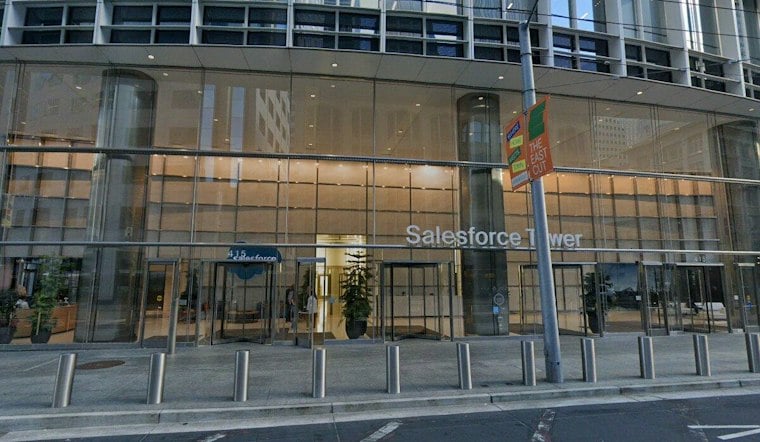
A San Francisco executive dinner was advertised. Separately, Business Insider’s headline refers to 17 tech leaders using AI agents at work. Reports of tech leaders’ use are not a labor-market survey.
The advertised San Francisco dinner was described as hosted by AI Insider and sponsored by Dash0, Business Insider reported.
The hiring question is about tasks—and judgment
The open hiring questions include whether employers will value engineers who can assess AI-generated software and solve difficult problems, whether younger workers fluent in AI tools will have an advantage, and whether organizational flattening and preferences for senior hires may put pressure on mid-career engineers.
One company example illustrates the difference between using agents and replacing staff. ServiceNow has described using AI agents for simpler customer-support requests while assisting human support workers. The company reported that deployments, including at Bell Canada, improved response times by 25% and received 90% positive feedback on AI accuracy in its first-quarter 2026 results. Those are company-reported service measures; they do not show that the approach reduced staffing or changed engineering hiring.
Exposure is not the same as adoption
A U.S. Census Bureau working paper by Cody Orr, Lee C. Tucker and Lawrence Warren cautions that a job’s technical exposure to AI does not itself show that employers have adopted the technology or replaced workers with it. That distinction matters here: the dinner offers examples of executives experimenting with agents, but it cannot establish how many firms are doing so or whether workers have been displaced. The paper cautions that exposure does not translate mechanically into adoption or labor substitution.
Broader employment figures require the same care. The San Francisco Chronicle reported that preliminary state data showed California lost 20,500 jobs in July, with figures subject to revision. That is statewide context—not a count of Bay Area technology layoffs and not evidence that AI caused the losses.
The dinner’s clearest takeaway is therefore limited but useful: some executives say agents are changing the balance between producing work and evaluating it. Whether that translates into fewer entry-level roles, different hiring requirements, or broader job losses remains unresolved by the dinner—and cannot be inferred from AI exposure or statewide employment figures alone.



