

























































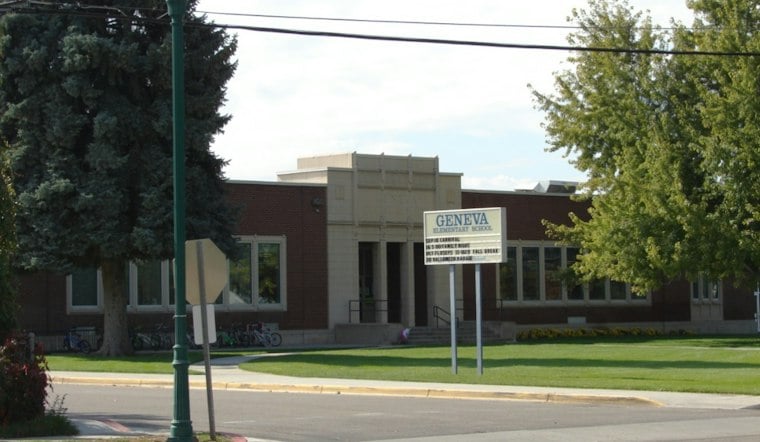
An Orem-area school board member is facing pointed questions about whether she still lives in the district she was elected to represent, after a former colleague alleged she quietly relocated to Indiana without telling anyone in charge. Alpine School District board member Emily Peterson, who represents District Six, reportedly moved with her family to Indiana before the school year began in August, and the uncertainty around her whereabouts has now escalated into a legal question for the board.
Former ASD board member Sara Hacken has criticized Peterson, alleging that Peterson “has not officially notified the board, nor resigned or vacated her seat” despite the reported move, according to Lehi Free Press. Hacken said she sent a memorandum of concern to state and county officials, identifying what she described as ethical concerns, including a lack of transparency and inadequate representation for the schools and students Peterson is supposed to serve.
Hacken said Peterson has not informed the principals, PTAs, or community councils she represents about the move from Utah to Indiana, and that Peterson could not physically visit the 12 schools in her district while living out of state. Peterson's supporters, meanwhile, maintain her primary residence has remained her Orem home even as she traveled to Indiana — a direct conflict with Hacken's account that the Lehi Free Press report does not resolve.
A District Already in Flux
The residency dispute lands at a sensitive moment for Alpine School District, which is currently undergoing a split. Hacken argued the timing makes Peterson's absence especially costly, saying “the area she represents had no say in the vote to split the district. With her gone, they still have no representation.” She added that children in District Six are being overlooked and deserve a representative who is actually present.
The breakup is scheduled to take effect July 1, 2027, when three successor districts are set to take over K-12 operations in northern Utah County. The transition is already underway: district leaders have begun planning staffing and other systems for the new organizations. That timeline places the residency dispute amid a handoff in governance, as the current district continues operating while preparations for the successor districts proceed. Alpine School District’s transition plan identifies July 2027 as the changeover.
An anonymous ASD board member told the Lehi Free Press that Peterson has attended only some board meetings virtually since her reported move, and that District Six principals and administrators have said she has not reached out to them about her absence, nor responded to their attempts to contact her. The same board member said constituents had expressed concern because Peterson was simply gone, and that board members had been asked not to respond to media or social media inquiries about her residency. Peterson did not respond to attempts by the Lehi Free Press to reach her for comment.
What the Law Requires
Utah Code 20A-14-S202 requires local school board members to maintain their primary residence within the district they were elected or appointed to represent for the duration of their term. State Representative David Shellenberger, an attorney whose House District 58 covers the same part of Orem as Peterson's board seat, said primary residency isn't a single yes-or-no fact but is determined by a checklist of factors — including where a board member's children attend school, whether the family owns a second home, any change in church congregation, and where they do their grocery shopping.
Utah’s election code describes a principal place of residence as the fixed place where a person lives and intends to return when absent, with that intent assessed against the person’s actions. The statute also says a temporary move to another state does not by itself end Utah residency if the person intends to return. Those provisions concern election-law residency; they offer relevant context for the dispute, but do not themselves resolve whether Peterson’s Orem home remains her primary residence for her board seat. Utah’s residency statute lists family residence, children’s school, real property, and other relevant factors.
Shellenberger said it ultimately falls to the board itself to make the call. “The ASD board's role is to determine [residency] and replace that position if she no longer has primary residency here in the area,” he said. ASD Board President Julie King has so far declined to go further than confirming the board is reviewing the matter, telling the paper that “residency is a legal matter the board is addressing in consultation with legal counsel” and that the board would await the outcome of that process before commenting further.
A separate Utah residency dispute this year involved Salt Lake City Council member Eva López Chávez, whose seat was declared vacant in May after the city recorder found she no longer lived in her district. López Chávez’s attorneys disputed the finding, and the case involved city-council rules rather than the school-board statute at issue in Orem. It nonetheless shows how a residency challenge can lead to an official determination and a contested vacancy. The Salt Lake City case ended with the council seat being vacated.
If the board determines a seat is vacant, state law generally assigns the appointment to the local school board. If the board does not make an appointment within 30 days after a vacancy occurs, the county legislative body is to fill it; the statute includes specific exceptions. The appointment process would therefore become a separate procedural step if the residency review results in a vacancy, rather than an automatic consequence of the allegations alone. Utah’s law on school-board vacancies lays out that process.
Taxpayer Dollars at Stake
Hacken also raised concerns about Peterson continuing to draw a taxpayer-funded salary without, in Hacken's view, currently fulfilling the job's duties. Peterson receives roughly $900 per month in taxpayer money plus health benefits, and according to Transparent Utah data cited in the Lehi Free Press report, her scheduled total compensation for 2026 is $49,201.54, comprising $12,000 in salary and $37,201.54 in benefits.
Amid rumors of the Indiana move, some of Peterson's constituents have called for her resignation on social media. Hacken said she planned to raise the issue directly during the public comment period at Tuesday's Nov. 17 board meeting, giving the board — and the public — a chance to weigh in as the legal review continues.





