

























































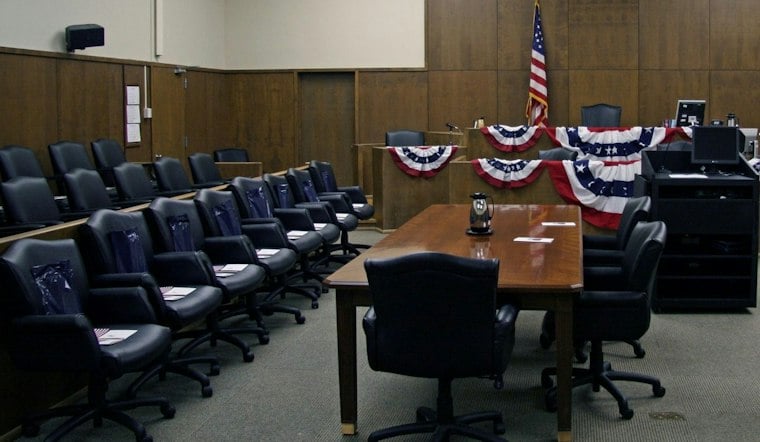
A three-judge federal appeals panel sitting in Kansas City pushed back hard on Missouri's attempt to revive its lawsuit against Starbucks over diversity, equity and inclusion policies, repeatedly asking the state's lawyer why the case does not name a single Missouri resident who was actually harmed. The hearing marks the latest turn in a fight that began when Missouri Attorney General Andrew Bailey sued the coffee giant in February 2025, alleging its DEI practices amounted to unlawful employment discrimination.
A Case Built on Inference, Not Names
The lawsuit, formally titled State of Missouri ex rel Catherine Hanaway v. Starbucks Corporation, was tossed out in February 2026 by U.S. District Judge John Ross in St. Louis, who found the state had failed to identify an injury to even a single Missouri resident, according to Courthouse News Service. That dismissal is now being challenged before the 8th U.S. Circuit Court of Appeals under docket number 26-1258, with the appeal heard by judges Ralph Erickson, L. Steven Grasz and Daniel Traynor, all appointees of former President Donald Trump, as Reuters reported.
Hanaway's office argues Starbucks reserved training and advancement opportunities for preferred groups and tied executive pay to racial and gender-based hiring quotas, and claims thousands of Missourians may have been affected given the more than 200 Starbucks stores operating in the state. Representing Missouri at the hearing, Louis Capozzi told the panel that the company's alleged policies support an inference that many Missourians faced discrimination, and said evidence of individual cases would emerge as the lawsuit progressed. Missouri's suit seeks an order forcing Starbucks to end the alleged discrimination, rehiring and rescinded discipline for affected employees, and unspecified damages.
Judges Press for Specifics
The panel appeared skeptical, questioning the lack of identified people in the state's complaint, the same Courthouse News account noted. Traynor went further, asking aloud whether the attorney general had simply gone looking for a company to target, wondering, “Was the attorney general just looking around for a company to target and say ‘you're woke, or DEI, and we're going to take you to court’?”
Capozzi countered that the state does specifically allege that many individuals throughout Missouri were denied jobs or denied promotions, and argued Missouri should not need to present that kind of evidence at this early pleading stage. Starbucks attorney James Bennett rejected that framing, telling the panel that no complaints were made to the attorney general and that the complaint contains no references to specific instances of people, per the same Courthouse News report. Bennett characterized the lawsuit as speculation about an unidentified citizen and an unknown adverse employment action.
Starbucks Pushes Back on Quota Claims
Starbucks has denied ever using race- or sex-based quotas or preferences in hiring, promotion or pay decisions, and has pledged not to adopt such practices going forward. The company has told courts that the diversity targets referenced in Missouri's complaint were aspirational goals rather than mandates, and that manager bonus structures did not penalize employees based on demographic metrics, the outlet's reporting states. The policies at the center of the dispute were adopted in 2020, in the wake of George Floyd's murder, according to Reuters.
Bennett also argued that states should not enforce federal laws without following the procedures Congress established. Twenty states, including Florida and Texas, filed amicus briefs backing Missouri's position, underscoring how closely other attorneys general are watching the outcome.
A Pattern Playing Out Beyond Missouri
Missouri's fight against Starbucks is not happening in isolation. In September 2026, Starbucks agreed to pay Florida $1 million and suspend race- and gender-based goals and preferences in that state to settle a similar discrimination lawsuit, though the agreement included no admission of wrongdoing by the company. Separately, back in 2023, a federal judge dismissed a shareholder lawsuit challenging Starbucks' diversity policies.
It remains unclear how the 8th Circuit panel will ultimately rule on Missouri's appeal, but Tuesday's hearing made plain that the judges' skepticism centers on the same gap that sank the case at the district court level: the absence of a named Missourian who says Starbucks' policies cost them a job, promotion or opportunity.



