

























































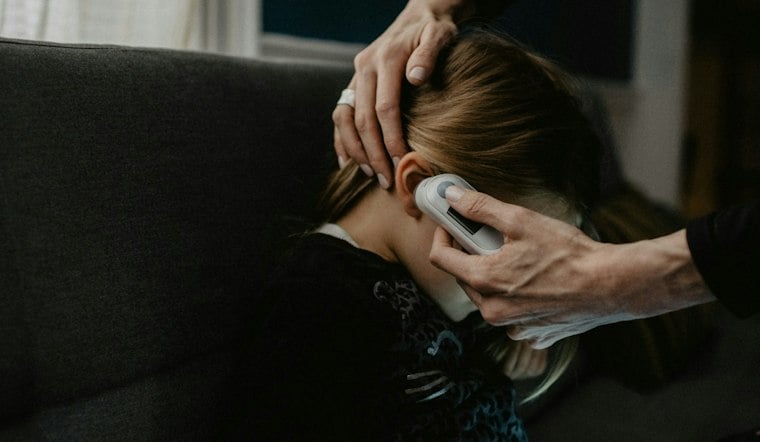
Influenza A is arriving earlier than Georgia pediatric doctors expected, and Children's Healthcare of Atlanta is already seeing more children sick with it.
Dr. Matt Linam, a pediatric infectious disease doctor at the hospital, told WSB-TV on Monday that physicians have seen a significant increase in influenza A over the last few weeks, an unusually early spike. A virus that stays mild in an adult, he said, can become serious in a child.
What Doctors Want Families to Do
Linam's advice is ordinary and specific. Wash hands. Use sanitizer. Ask a doctor about a flu shot. Anyone with a fever or respiratory symptoms should stay home from school, daycare and work.
WSB-TV, in a report by Linda Stouffer, described an early surge in flu cases in Georgia and influenza A rising among children. The Atlanta-based Centers for Disease Control and Prevention updates virus activity each week, which is how a local clinic impression gets checked against a national count.
How Georgia Spots an Early Season
The early-season warning did not start this week. On Oct. 20, Georgia Public Broadcasting reported that influenza-like illness was already showing up sooner than usual. Dr. Fiona Havers said the state was on track for an early season. "We're on track to have an early season," she said. How severe that season will be was still uncertain.
Georgia does not wait for a lab-confirmed case in every county. The Department of Public Health tracks influenza-like illness with volunteer sentinel providers in the CDC's ILINet program. The department suspects influenza is active in an area when those visits rise above a baseline of 0% to 3%. That state threshold is not the same thing as the national outpatient baseline, so a Georgia clinic's busy week and a national percentage should not be read as one number.
Havers said flu vaccination is recommended for everyone 6 months and older, and that it matters most for people at higher risk of serious illness. For infants younger than that, protection still depends on the adults around them.
The National Count, Kept Separate
National indicators have been climbing, and they are national. Local Health Signal reported moderate flu activity as of Nov. 13, with 3.2% of outpatient visits for flu-like illness and an increase across the latest three weekly reports. No current Georgia case, hospitalization or test-positivity total sits beside that figure in the reporting available here.
CDC state-level estimates dated Nov. 11, as summarized on that site, showed 10 states declining, 10 stable and 28 growing, with a median transmission estimate of 1.05 among states that had one. A figure above 1 points to growth. Georgia was not broken out, so the 28 cannot be turned into a claim about this state.
Earlier in the season the national line was still under its own baseline. For the week ending Oct. 24, Contemporary Pediatrics reported that 7.6% of 53,102 clinical laboratory specimens tested positive for influenza. Outpatient visits for influenza-like illness were 2.4%, below the national baseline of 2.9%, with increases among patients ages 0 to 4 and 5 to 24.
The season has already included pediatric deaths. The CDC's week 44 report, covering the week ending Nov. 7, said two pediatric deaths associated with seasonal influenza were reported that week, bringing the 2026–27 season total to five. The first influenza-associated pediatric death of the season reported to the CDC was linked to influenza A(H1N1). On Oct. 30, San Bernardino County announced the flu-related death of a child with underlying medical conditions who was too young to receive a flu vaccine. Those are separate reports, not Georgia cases.
One Baby's RSV Stay
The same WSB-TV report paired the flu warning with a different virus. Amberly Whitehead said her baby, Birdie, developed congestion and coughing before doctors diagnosed RSV. Birdie did not get better. Whitehead said she was very concerned and that the illness was very serious. Birdie spent five days on oxygen at Children's Healthcare of Atlanta.
Whitehead said she and her family took Birdie outside into cold air during coughing spells to help her breathe. That is her account of what they did, not a hospital instruction.
She wants other parents to set rules before the holidays, including refusing to let other people hold the baby and requiring visitors to wash their hands. The point, as she put it to the station, is to avoid a frightening situation rather than manage one after a child is already struggling.
Prevention Windows Still Open
Children's Healthcare of Atlanta describes RSV as common and highly contagious. It can affect any age, but it is most severe in young children, older adults and people with compromised immune systems.
The hospital lists two ways to protect babies from severe disease. A birth parent can receive an RSV vaccine during pregnancy from September through January. An infant can receive an RSV antibody after birth during the season, from October through March. Doctors told WSB-TV that families should ask which newer option fits them. Mid-November is still inside both windows.
CHOA says to seek medical care if a child has difficulty breathing, or fast breathing with the chest muscles tugging. Flu shots remain a separate question for anyone 6 months and older, and the CDC's weekly updates will show whether this early rise stays a warning or becomes a harder season.



