

























































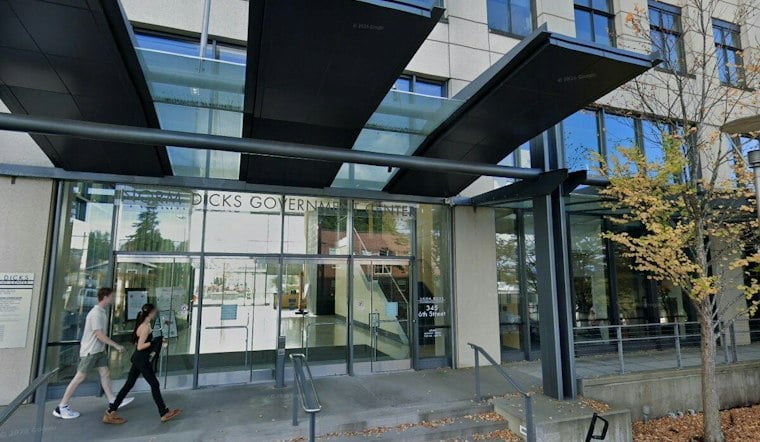
Property owners across Washington state are once again watching their city councils approve the maximum property tax increase the law allows, and this year's round includes Bellevue and Bremerton. Bellevue's city council approved a 1% increase to its regular levy for 2027, adding $954,871 in revenue for the city, while Bremerton's council passed a levy for 2027 that combined a 1% regular increase with a separate, voter-approved lid lift.
Bellevue's move follows a city council session on September 22, 2026, when staff gave council members a preliminary estimate of what a 1% increase would mean for residents. At that informational session, according to the Bellevue Chamber of Commerce, staff projected the increase would raise about $900,000 and cost the median homeowner, with a home valued at $1.63 million, about $15.70 a year. No vote was taken that day — the Chamber's recap specifies the September session was informational only. The council's eventual approval came later, with Yahoo News reporting the final figure of $954,871 in added revenue for 2027, somewhat higher than the earlier staff estimate.
Bremerton's Levy Combines Two Tax Tools
In Kitsap County, Bremerton's council took its own vote on a 2027 property tax package. The council passed Ordinance 5543 to levy property taxes for collection in 2027, a levy that layered the standard 1% regular increase on top of a separately approved lid lift, according to a report from Citizen Portal. Staff there estimated that a median $350,000 home would pay about $6 more annually as a result. The council's vote was recorded as five in favor and one opposed, per the same report.
The Bremerton and Bellevue actions illustrate a pattern playing out statewide, as KUOW reported this week in a piece by Joshua McNichols. According to that report, Seattle's city council is expected to vote Friday to increase property taxes by 1%, and cities including Renton, Kirkland, Everett, Kent and Tacoma are described as following a similar path. KUOW, which identifies itself as Seattle's NPR news station, frames the moves as part of an annual routine in which Washington cities raise property taxes by the maximum 1% allowed under state law.
Why Cities Are Stuck at 1%
That 1% ceiling traces back to a 1997 anti-tax push in Washington led by Tim Eyman, which resulted in Initiative 747 capping annual property tax increases by cities at 1%. Because that cap is typically lower than inflation, cities often fall behind the actual cost of providing services, according to KUOW's reporting. Even so, the outlet notes that cities continue to pass these levies to help fund services such as schools and parks whenever the budget allows.
The Washington Department of Revenue offers a straightforward illustration of how the math works in practice. In its published example, a city that collected $1 million in property taxes in 2026 at a rate of $1.00 per $1,000 of assessed value, on a total valuation of $1 billion, can increase its 2027 levy by 1% to $1,010,000, not counting any additional tax revenue generated by new construction added to the tax rolls. That framework is the same one city councils across the state, from Bellevue to Bremerton, are applying as they finalize next year's budgets.
A Shifting Burden in Seattle
KUOW's reporting also points to a wrinkle specific to this year's increase in Seattle. Washington's property tax cap applies to the combined value of all properties within a city rather than to any individual property, and Seattle's base includes both office towers and homes. Because office buildings are now worth far less than they used to be, KUOW reports that Seattle homeowners are carrying a larger share of the property tax burden as those commercial values decline — meaning the 1% increase affects homeowners more than usual this year, according to the outlet's account.





