

























































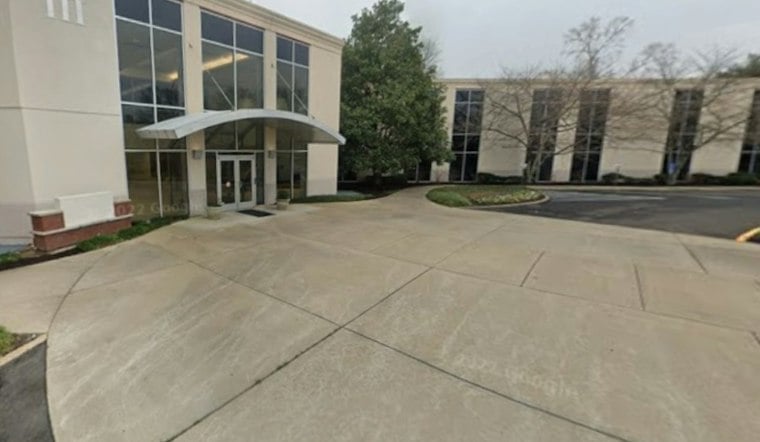
Nashville’s guidance allows encampment closures for reasons including property ownership, health and safety, infrastructure, or environmental hazards, but River Plantation has no announced closure timeline. District 22 Metro Councilmember Sheri Weiner is urging the Office of Homeless Services to close the encampment near a Walgreens and Home Depot, clean up the property, and prevent it from returning. She says it has been more than a year since Nashville last closed a targeted homeless encampment.
Weiner has urged residents to contact Mayor Freddie O'Connell and OHS Director April Calvin to press for the closure and cleanup, according to FOX 17. She has also pointed to an incident last July, when she says a baby was found at the Bellevue encampment during extreme summer heat; Weiner said she held the infant in 105-degree conditions.
No Timeline, No Current Count From the City
OHS did not provide a site-specific reason River Plantation has not been closed, a closure timeline, or a current count of people living there, according to the same FOX 17 report. The department has said its last targeted housing surge within a specific encampment that resulted in a closure took place in October 2025.
At the November 5 Metro Council Public Health and Safety Committee meeting, Weiner said city officials had not responded to repeated complaints about the site. She credited Metro Nashville Police Department West Precinct officers for their involvement, while urging the city to balance service to unhoused people with the concerns of nearby residents.
Weiner has also written that compassion for people in need “cannot come at the expense of the safety, security, and quality of life of the families who live in our neighborhoods.” Her broader estimate is that between 160 and 170 people are experiencing homelessness across Bellevue — a figure she says describes the wider area rather than a count of River Plantation itself.
OHS Says It Lacks Power to Force People Out
OHS Assistant Director of Planning and Research Allison Cantway told the committee the department simply cannot compel anyone to accept services or leave a camp. “We do not have that enforcement capability,” Cantway said. She added that moving people too quickly, before outreach workers have built relationships with them, can cause people to disengage from services altogether.
OHS says its outreach teams work with community partners to build relationships, identify individual needs, and connect people to available resources, with a stated primary goal of helping people move from outdoor living into stable housing. The department has identified obstacles that can slow housing placements, including obtaining identification, securing income, and accessing appropriate housing and supportive services. Councilmember Jordan Huffman told the committee that housing placements have been taking roughly three to four months, a timeline he called too long.
Millions in Funding Weighed for Housing Services
The same committee meeting considered roughly $3.2 million in homelessness-related services funding. That total included a $500,000 contract involving Step Up on Second Street, which provides case management and support meant to help people obtain and keep housing, and about $2.7 million for Hospitality Hub of Memphis to provide interim housing, case management, and supportive services.
OHS reported that more than 1,500 people had been housed across the community through September 2026, with October, November, and December totals still pending. The department has said housing placements continue daily, and reported more than 1,700 people were moved into permanent housing across Nashville last year. Per OHS guidance, Metro may close encampments for reasons tied to lawful property ownership, health and safety, infrastructure, or environmental hazards, and the department says it coordinates outreach, shelter options, and interim housing when other agencies address enforcement or property concerns alongside public safety agencies and other Metro departments.
What Nashville’s Housing Figures Show
Systemwide figures offer context on housing capacity and placements but do not provide a River Plantation count or closure timetable. Nashville-Davidson County’s January 23, 2025, Housing Inventory Count reported that 69% of beds for people experiencing homelessness were in use that night, while 92% of permanent housing beds dedicated to that population were occupied, according to the Nashville-Davidson County Continuum of Care. In a separate report, Metro’s Office of Homeless Services said it supported 51 people moving from shelter into permanent housing over the three months described in its 2025 State of Homelessness Community Report.
How Other Nashville Camp Closures Have Played Out
Other encampment responses around Nashville show a range of approaches and timelines. Efforts to clean up a homeless encampment along the greenway off Cement Plant Road connected eight people living there with housing solutions, according to WKRN, which also reported that Nashville used Metro Rapid Response funding as a pilot program to help families transition out of the camp. The outlet cited OHS data showing 3,585 people experiencing homelessness in Nashville as of September, an increase of 438 from the prior year.
A different encampment closure followed a more extended process. In June 2025, Metro closed Old Tent City along the Cumberland River near downtown. Starting with a list of about 125 residents in early April, when a 60-day closure notice was posted, OHS and its partners moved 81 people into motel units set aside for camp closures, according to the Nashville Banner. Ten more residents were placed in subsidized rentals, five moved into shared housing, and a handful of others were housed elsewhere — though the city and nonprofit tracking system classifies those motel placements as emergency shelter rather than transitional or permanent housing. That outcome and timeline do not establish what will happen at River Plantation.
By contrast, a riverside camp near Nissan Stadium saw a much faster turnaround. More than 35 people living there were relocated to interim housing because of safety concerns tied to the Fourth of July fireworks show, as NewsChannel 5 reported. City officials said the makeshift shelters there were built from highly flammable materials and sat inside the fireworks fallout zone, prompting swifter action than the months of planning and outreach that preceded the Old Tent City closure in June. For River Plantation, no such timeline has yet emerged.





