

























































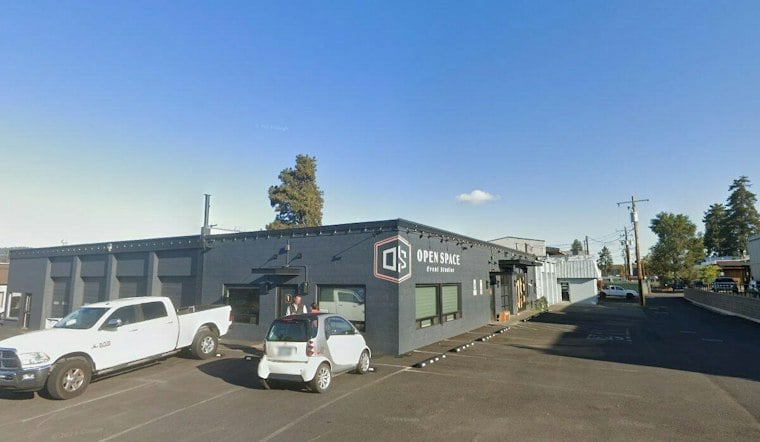
Bend residents can review the final design for the Hawthorne Crossing bicycle and pedestrian bridge at an in-person open house Thursday, Dec. 3, from 4:30 to 7 p.m. at Open Space Event Studios. The $32 million span is meant to finally give people walking, biking or using mobility devices a safer way to cross U.S. 97 between downtown and the Central District, more than a year after city officials first began hashing out what the bridge should look like.
What's In the Final Design
The in-person session is a one-night affair, but an online version of the open house will stay up through Dec. 10 for anyone who misses it, according to Central Oregon Daily. The design calls for an 18-foot-wide shared-use path paired with what's described as a mountain-inspired look, the outlet reports. The Bend Bulletin adds that the project is designed to create a safer connection between east and west Bend for people walking, biking or using mobility devices.
Structurally, the bridge will extend Hawthorne Avenue across both U.S. 97 and the BNSF Railway tracks, per the Bulletin's reporting. That means the crossing isn't just a sidewalk over the highway — it's stitching together a stretch of the city currently split by both the Bend Parkway and an active rail line.
A Tradeoff for Drivers
The project isn't without a catch for motorists. The same design will eliminate Hawthorne Street vehicle access to and from the Bend Parkway, according to the same Central Oregon Daily report, meaning the new crossing is built exclusively for people on foot, on bikes or using mobility devices rather than cars.
That mountain-truss look wasn't the original plan. Bend pivoted to a bridge featuring steel trusses shaped to emulate the Cascade mountains after an earlier cable-stayed concept was projected to cost more than expected, the Source Weekly reported in October.
Who's Paying For It
ODOT has laid out where the project's money is coming from: $20 million from the federal Rebuilding American Infrastructure with Sustainability and Equity grant program, $5 million from Oregon Lottery funds through state House Bill 5030, $5.7 million from federal Congressionally Directed Spending funds, $1 million from the Oregon Community Paths Program, and an additional $1 million from the City of Bend, per Central Oregon Daily's reporting.
The overall price tag has shifted somewhat across coverage of the project. The Source Weekly's October story described it as a $33 million bridge, and a January Bulletin report had put the expected cost at $30 million to $37 million.
Timeline Keeps Moving
The construction schedule has also evolved over the course of reporting. Central Oregon Daily's Nov. 20, 2026, report says construction is now expected to begin in 2028 and be completed in mid-2030, a shift from the Source Weekly's October account, which said design work would continue into 2027 before construction began that fall, with completion expected in fall 2028.
For now, the Dec. 3 open house at Open Space Event Studios — plus the online materials running through Dec. 10 — represents the public's next real chance to weigh in on what Bend's new east-west link will actually look like before it ever breaks ground.




