

























































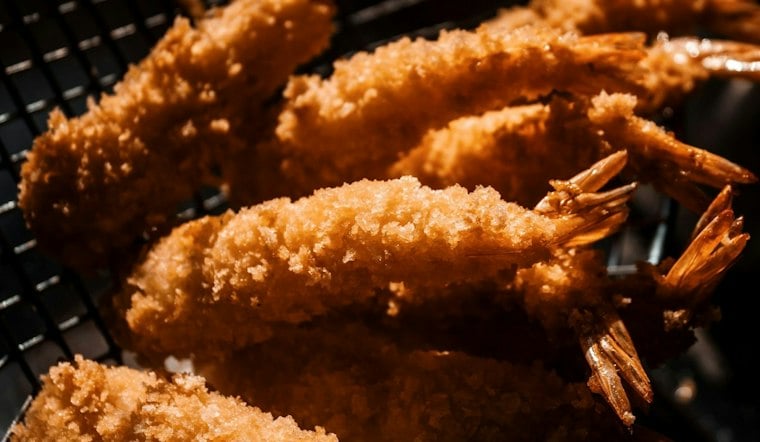
Breaded shrimp, plant-based nuggets and conventional chicken nuggets topped the list of protein products with the most microplastic contamination in a new study that examined 16 commonly eaten U.S. proteins, researchers found. Chicken breast, by contrast, had the lowest average levels of the tiny plastic particles among all the foods tested.
Nearly Every Food Category Showed Contamination
The study, detailed by ScienceDirect, investigated microplastic contamination in 16 commonly consumed protein products spanning seafood, poultry, beef, pork and plant-based alternatives, according to the New York Post. Researchers purchased samples at two conventional supermarkets and one natural-and-organic-focused grocery store in the Portland, Oregon, area, and also bought fresh-caught seafood directly from fishing boats, per the same report. Microplastics were present in all protein types and in 88% of all samples, Ocean Conservancy reports.
At least one contaminated sample turned up in each of the 16 protein types, the Post noted. To find the particles, researchers used chemical solutions to break down the food samples, then filtered and microscopically examined what remained, according to the outlet. The particles measured under 5 millimeters in size, consistent with the standard definition of microplastics.
Breaded Shrimp Led the Pack by a Wide Margin
Breaded shrimp contained an average of 370 microplastic particles per serving, by far the highest of any product tested, the Post reported. Plant-based nuggets followed with 73 particles per serving, while conventional chicken nuggets averaged 62. Pollock fish sticks came in at 58 particles per serving and plant-based fish sticks at 46, according to the outlet's breakdown of the findings.
On the opposite end, chicken breast averaged just 2 particles per serving, the lowest of any product examined. Pork loin chops averaged 4, tofu averaged 7, minimally processed Alaska pollock averaged 9, and fresh-caught white Gulf shrimp averaged 10, per the Post. A report from The Hill similarly described breaded shrimp as particularly high in microplastics, followed by fish sticks and chicken or plant-based nuggets.
Processing, Not Brand or Store, Drove the Difference
Researchers found that highly processed products contained significantly more microplastics per gram than minimally processed products, according to ScienceDirect. There were no significant differences among the same product from different brands or store types, the journal findings state, and study researchers found that switching brands or grocery stores may not substantially reduce microplastics in protein foods, the Post reported.
The study also detected microplastics in fresh-caught seafood, indicating contamination can occur before food ever reaches a grocery store, according to the Post's account of the findings. Ocean Conservancy reports that the researchers found little evidence that product packaging was the source of the microplastics in their samples. Across the samples, 44% of identified microplastics were fibers, Ocean Conservancy's press release states.
Researchers Estimate Annual Exposure, With a Wide Range
Using dietary survey data from nearly 2,000 U.S. adults, researchers estimated that the average American adult consumes roughly 11,000 particles per year from the protein products included in the calculation, the Post reported. The ScienceDirect journal abstract puts that mean annual exposure at 11,000 ± 29,000 particles, while Ocean Conservancy separately reports an average of 11,500 particles per year — the two sources differ slightly in their published figures. Using the highest contamination levels found in each protein category alongside average consumption rates, researchers estimated exposure could reach as much as 3.8 million particles per year, according to the Post.
“There’s no escaping them no matter what you eat, it seems,” Dr. Britta Baechler said, according to the Post's reporting. Baechler also said plastic pollution has become highly widespread, the outlet noted.
Scientists Urge Caution Before Drawing Dietary Conclusions
Madeleine Milne said the research offers a limited basis for making dietary choices aimed at avoiding microplastics, since contamination burdens in common foods remain poorly understood, per the Post. Milne added that more research is needed to identify where the particles come from and what health risks, if any, they pose, the outlet reported.
Microplastics have previously been detected in air, drinking water, human blood, saliva, placentas, testicles, livers, kidneys and brains, according to the Post. Studies have suggested the particles may trigger inflammation, damage cells, disrupt hormones and alter gut bacteria, and researchers have found they may increase risks of cardiovascular problems, reproductive issues, neurodegenerative diseases and certain cancers, the outlet reported.
Other Studies Point to Widespread Seafood Contamination
The Portland findings echo a separate seafood-focused study that detected microplastics in 180 of 182 samples, or 99%, according to The Guardian. That research, conducted by Portland State University scientists, analyzed edible tissue from six Oregon seafood species — black rockfish, lingcod, Chinook salmon, Pacific herring, Pacific lamprey and pink shrimp — identifying 1,806 suspected microplastic particles, with fibers the most common type, according to Responsible Seafood Advocate.
In that study, pink shrimp had the highest particle concentrations in edible tissue, while Chinook salmon had the lowest, the outlet reported. Researchers in that project rinsed fish fillets and shrimp before analysis to mimic typical home preparation, noting that some surface contamination from processing can be washed away, according to the same report.





