

























































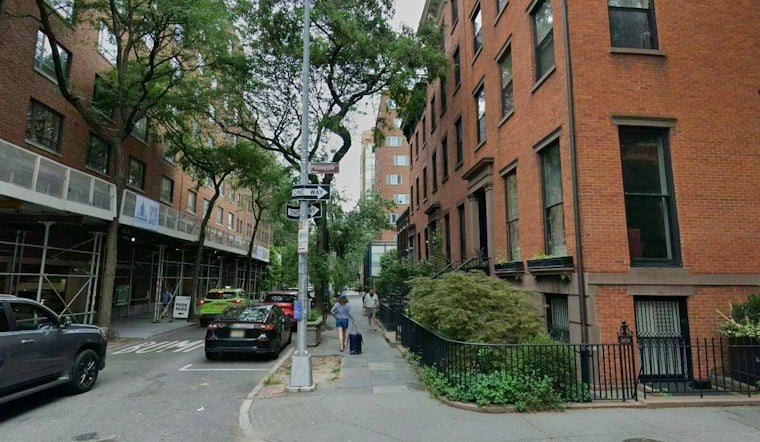
Brooklyn Heights residents packed a public scoping meeting last week to tear into Mayor Zohran Mamdani's $4 billion plan to rehabilitate a crumbling stretch of the Brooklyn-Queens Expressway, with speaker after speaker warning that the proposal would gut neighborhood parks and the historic promenade for years without proving it is the best option. The feedback at the hearing, held as part of the city's environmental review process, was described as entirely negative.
The plan targets what the city is calling BQE Central, a deteriorating stretch of highway that Mamdani and the Department of Transportation announced they would address, according to the Brooklyn Paper. The project would cost roughly $4 billion, take 10 years to build and is intended to extend the span's life by 40 years, per the outlet's reporting. As part of the work, the city would erect two temporary bypass roads to keep traffic moving while crews rebuild the existing highway.
Accounts differ on exactly where that rehabilitation zone begins and ends. The Brooklyn Paper describes BQE Central as a crumbling 1.5-mile stretch between Atlantic Avenue and Sands Street, a boundary that matches a description from Streetsblog New York City of the city's proposal to rehab a deteriorating highway section between Atlantic Avenue and Sands Street. A separate Streetsblog report, however, placed the city-owned section between Atlantic Avenue and Nassau Street, and The New York Times has described the cantilever structure as anchoring a 1.5-mile run from Atlantic Avenue to Sands Street.
Parks and the Promenade in the Crosshairs
Much of the anger at the meeting centered on what the bypass construction would do to green space residents rely on every day. Temporary bypass construction is expected to impact Squibb Park, the Hillside Dog Park, Harry Chapin Playground and the Brooklyn Heights Promenade, according to the seed facts reported by the Brooklyn Paper. DOT has said Harry Chapin Playground would be removed and later reconstructed, and the department told attendees that access to portions of the promenade would be maintained throughout construction when feasible.
That assurance didn't satisfy everyone in the room. Resident Kieran Holohan said construction would strip away portions of parks and keep an entire generation of children from playing in Harry Chapin Park, while Fred Kneip pressed officials on when work would actually begin on the promenade and how long it would stay closed. Locals broadly voiced concern about losing access to parks and green space throughout the build.
Residents Want to See the Alternatives
Teddy Mathias, a Brooklyn Heights resident and Pratt Institute professor, argued that long-term options developed by New Yorkers themselves are missing from the current plan. He asked that the final scope of the project identify which alternatives were considered and explain why they were rejected, telling officials he had not been shown that the $4 billion, 40-year proposal was actually the most affordable path forward.
That critique lines up with a detail from the draft scoping report itself, which does not include an analysis of alternatives to the administration's proposal. Chris Calvert, responding on behalf of the city, said officials will inspect a range of potential project impacts along with a no-build alternative as the review moves forward.
Jake Brooks, president of the Brooklyn Heights Association, pushed back on the administration's stated goal of addressing structural issues and maintaining regional connectivity through BQE Central. Brooks said the project should instead maintain open spaces, protect access to parks and schools, preserve historic neighborhoods and cut down on highway noise and pollution, while the city and state pursue a broader regional plan to reduce highway dependence and undo damage done under Robert Moses.
A Highway Decades Past Its Design Life
Not everyone at the meeting dismissed the need for a major fix. Rick Wilder said the BQE cantilever is years older than its safe design life and shows serious decay, arguing that BQE Central remains critical for both personal trips and freight. He said less disruptive repairs are no longer sufficient and that comprehensive rehabilitation is necessary to address the deterioration and keep heavy traffic from spilling onto local streets.
The stakes are considerable: the corridor carries around 130,000 vehicles and roughly 13,000 trucks each day, per DOT figures cited in the Brooklyn Paper's reporting. The city has already rolled out short-term fixes, including reducing lanes, banning overweight trucks and adding concrete and steel beams, as the structural deck has begun to deteriorate. Former Mayor Eric Adams had pledged to finalize a BQE plan during his administration, and the city's earlier bid for federal funding for the project was rejected by the Biden administration.
Timeline and Comment Period Remain Murky
Dossier reporting leaves some open questions about the project's exact schedule. Streetsblog reported in one article that construction is set to begin in 2030 and last 10 years, extending the BQE's lifespan until 2080, while an earlier Streetsblog report said DOT planned to break ground in 2029 and wrap up construction by 2040. The New York Times, separately, described a multiphase rehabilitation plan set to take place between 2030 and 2040.
The proposed temporary bypass itself would run above the Brooklyn Bridge's approach in DUMBO, arching over the span's pedestrian boardwalk, its two-way bike path and surrounding roadways, Streetsblog reported. During former Mayor Eric Adams's administration, DOT proposed designs to rebuild and transform the triple cantilever with new green space, but those plans never came to fruition.
The public comment period's deadline is also unsettled across sources. The Brooklyn Paper reported that the comment period was extended after its initial window closed in November 2026 and now runs through January 11, 2027, with DOT saying it will address public comments in the draft environmental impact statement, expected in fall 2027, and hold additional feedback sessions once that draft is released. A snippet from the NYC DOT project page, however, lists November 23, 2026, as the deadline for comments on the draft scope of work. The Department of Transportation did not return a request for comment.
The pushback echoes fights Brooklyn has had with the city before. In 2018, the Brooklyn Heights Association successfully rallied against former Mayor Bill de Blasio's proposal to build a six-lane temporary highway atop the Brooklyn Heights Promenade, according to Streetsblog. Opponents of major highway expansions have won before elsewhere, too — community opposition contributed to the 2022 cancellation of a plan to widen Los Angeles's 710 Freeway, one of the nation's busiest freight corridors, per The New York Times. Brooklyn residents have also organized against BQE proposals.





