

























































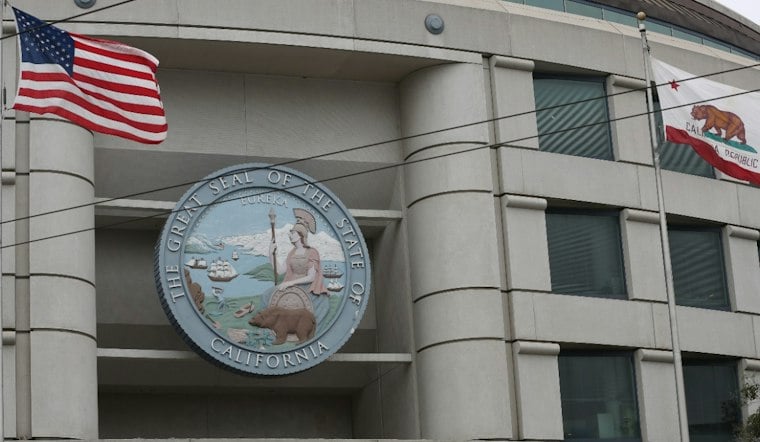
California counted 37,460 homeless seniors in 2026, a drop from the prior year's total but still a higher count than five years ago, as state officials scramble to address what they describe as a worsening crisis among the state's oldest residents. The figure is down from 49,471 in 2025 but remains above the 34,833 seniors counted in 2021.
Those numbers, drawn from the California Open Data Portal and reported by the Times of San Diego, come from a portal managed by the California Department of Technology. Despite taxpayer-funded programs meant to prevent homelessness, the newspaper reports that senior homelessness rose over the period even as those efforts expanded. In fiscal year 2022-23, nearly 40% of California adults without children who contacted homelessness service providers were age 50 or older, according to California Budget & Policy Center research cited in the same report.
Income Gaps and Medical Emergencies Driving the Trend
Officials with the California Commission on Aging have identified a lack of income as a main cause of homelessness for many adults aged 65 and older. Patrick Smith, the commission's legislative director, told the outlet that the number of affordable housing units has gone down significantly, and that older adults often lack substantial savings and homeownership investments to fall back on. He added that scattered employment history, lack of retirement savings and lack of pensions compound the problem for many seniors.
Smith also said a medical emergency can keep an older adult from earning through work, pushing them toward homelessness when they have little financial cushion. California is short 1 million affordable units to house all extremely low-income renters, per the same report.
Lawmakers Point to Social Security Shortfalls
Democratic Assemblymember LaShae Sharp-Collins of San Diego, a member of the Assembly Aging and Long-Term Care Committee, said the homelessness crisis disproportionately affects older adults and is changing the share of people experiencing homelessness for the first time. She said Social Security income is often insufficient for sustainable living, and argued that retirement systems should be examined given how many people lack pensions, retirement accounts or savings. Rising living costs, limited retirement income and unaffordable rent are among the pressures older adults face, the report notes.
The California Budget & Policy Center, in its own analysis, found that older adults are the fastest-growing population experiencing homelessness and make up the largest share of people encountering homelessness for the first time in their lives. The California Budget & Policy Center defines “older adults” as people age 50 and over, and its research found economic hardship, housing insecurity, and financial, family or medical emergencies later in life are the primary drivers of those first-time cases. In the 2022-23 fiscal year, adults age 50 and over made up nearly 40% of adult-only households who connected with the state's homelessness response system, even though they account for only 34% of California's entire population.
State Spending and Proposed Fixes
California spent $128 million in general fund money during fiscal year 2025-26 on the Home Safe Program and the Housing and Disability Advocacy Program, according to the Times of San Diego's report, which frames the spending within the state's Master Plan for Aging. The Home Safe Program is intended to help keep older adults housed statewide, while the Housing and Disability Advocacy Program provides housing benefits to disabled adults. The Master Plan for Aging aims to implement more housing programs for adults at all ages and stages.
Christina Mills, executive director of the California Association of Area Agencies on Aging, said the organization — known as C4A — wants to prioritize adults aged 60 and older for housing resources and opportunities. The state's Coordinated Entry System currently does not prioritize older adults, and C4A hopes to pursue legislation in 2027 that would change that by prioritizing older adults within the coordinated entry process.
Different Counts, Same Underlying Pressure
Separate research underscores how dramatically the older share of the homeless population has grown over time. A 2023 report cited by Westside Connect found that 48% of single adults experiencing homelessness in California were age 50 or older, compared with just 11% in 1990. The Terner Center for Housing Innovation has reported that California homelessness programs served more than 148,000 older adults from mid-2018 through mid-2021, with older adults representing 26% of all people recorded in the state's Homeless Data Integration System during that span.
The Terner Center also found that adults ages 55 and older made up 19% of people served by homelessness service providers in 2022, up from 16% in 2017. The center has cautioned that its data system does not capture all services provided statewide, since not all service providers enter information into the underlying Homeless Management Information System — a reminder that the various counts floating around California's senior homelessness crisis use different age thresholds and measurement methods, and are not necessarily interchangeable.



