

























































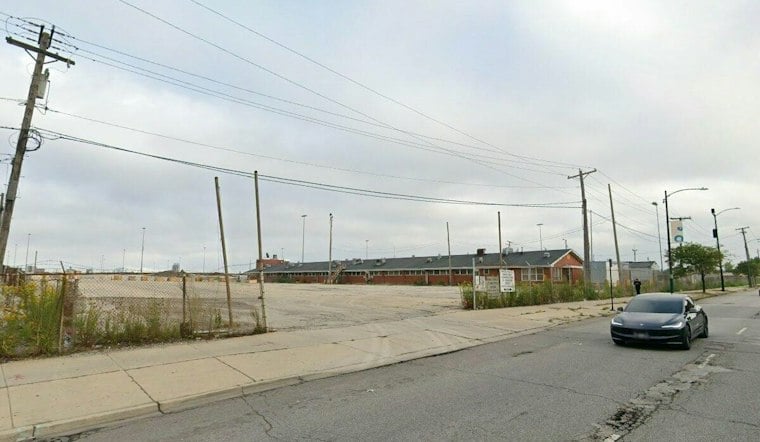
Chicago wants a say in how the nation's biggest-ever freight railroad merger reshapes its own rail yards, viaducts and trackside land. The city filed a 64-page comment with federal regulators asking that Union Pacific and Norfolk Southern be required to negotiate the sale of several Chicago-area properties, including a stretch of track city officials hope to turn into a trail, before any merger wins approval.
City Demands Detail and Thirteen Conditions
Chicago told the Surface Transportation Board that the merger application lacked sufficient detail, asking that Union Pacific and Norfolk Southern be required to provide supplemental information in 11 separate areas, according to trains.com. Based on what has been submitted so far, the city is asking the board to impose 13 conditions on any approval. Those requests include getting the railroads into “good-faith negotiations” to sell three properties to the city, among them the Global 1 yard site, the outlet reported.
Separately, Wisevoter reports that the city's filing specifically asked Union Pacific to conclude negotiations to sell the Weber Spur to the city, where officials have proposed an approximately 2-mile multi-use trail on the right-of-way in northwest Chicago. The city described that purchase as a community benefit that would come at no cost to the merger applicants. Chicago also asked Union Pacific to enter negotiations to sell the Low Line track near the former Blommer Chocolate Factory and the Global 1 yard, per the same outlet, and separately requested conditions covering the former Global 1 intermodal terminal, a 123-acre site at 1425 S. Western Ave.
Viaducts, CREATE Funding and Amtrak Reliability
Beyond the land deals, Chicago's requests reach into the railroads' broader infrastructure footprint. The city asked for financial contributions to address changes that may be necessary to CREATE infrastructure projects, the regional rail-improvement program that has long sought freight-railroad funding, per trains.com's reporting. It also sought the establishment of a program to replace aging railroad-owned viaducts across the city, and immediate improvements on the Chicago-Elkhart, Indiana, route meant to protect on-time Amtrak performance as freight traffic increases on that corridor.
The stakes are high because the Union Pacific-Norfolk Southern combination would create the largest American railroad by a wide margin, joining a western carrier with an eastern one for the first time in the modern merger era. The Surface Transportation Board must approve the deal under federal law, and Chicago's requests could shape the terms of whatever approval, if any, the board ultimately issues. How that plays out could determine how railroad land and terminals are used across the city for years to come.
Other Agencies Weigh In With Their Own Conditions
Chicago isn't alone in pressing for changes. Metra has asked regulators to reject the merger outright, arguing the application fails to show the combined railroad could absorb added freight traffic without harming passenger service, according to a Yahoo News report. If the merger does move forward, Metra is seeking two major infrastructure projects and a requirement that the railroad hit 95% on-time performance on its UP West and SouthWest Service lines, the report states.
Other commuter agencies far from Chicago have filed similar demands. NJ Transit asked for conditions protecting its Raritan Valley Line, which it says carries 14,150 passengers on a typical day and 4.4 million annually on track shared with the merging railroads. SEPTA, meanwhile, asked that longer freight trains initially be limited to a 12:30-to-5 a.m. window, with capital improvements separating freight and passenger traffic sought over the longer term. Canadian National also filed proposed conditions aimed at preserving customer options and expanding its own access in several Midwest markets, according to FreightWaves.
Not everyone opposes the deal. Four rail labor organizations submitted joint comments urging the board to approve the merger, FreightWaves reported. Union Pacific and Norfolk Southern have argued the combination would take 2.1 million trucks off highways annually and save shippers $3.5 billion a year, though FreightWaves's own account of the companies' estimate describes it instead as a shift of roughly 2.1 million truckloads from highway to rail — a discrepancy the filings themselves have not resolved.
What Comes Next in the Review Timeline
The regulatory calendar is now packed. November 27 is the deadline for comments on whether competing railroads' applications are complete, with replies to those completeness comments due December 1. The Department of Justice and the U.S. Department of Transportation are expected to file preliminary comments by December 3, and Union Pacific must answer Surface Transportation Board questions about alleged retaliation against merger opponents by December 4.
Union Pacific and Norfolk Southern are set to respond to all comments and requests for conditions by February 16, 2027, ahead of a public hearing the board plans to hold in spring 2027. The timeline echoes the board's 1996 approval of the Union Pacific-Southern Pacific merger, which was granted only with conditions attached, according to records from uprr.com. If Chicago's conditions survive the process, the city could ultimately gain control of the Weber Spur for its proposed trail.




