

























































Clearwater R-I School District is investigating reports that high school students used artificial intelligence to create inappropriate images depicting other students, then shared those images with classmates. Superintendent Charles McFadden notified families through the district’s ParentSquare app on Nov. 20, and school officials say the case remains an active, developing matter.
According to the Wayne County Journal-Banner, the district is now trying to determine when and how the images were created and distributed. Investigators say whatever they find will guide disciplinary decisions made under existing district policies and procedures. McFadden is identified in the report as superintendent of Clearwater R-1 School District.
The district says it prioritizes the safety, well-being, and dignity of every student, and school personnel plan to contact parents or guardians individually as affected students are identified. Families of those students are expected to be given available information about their child and to discuss appropriate support options with school staff, per the same account.
How to Report Without Spreading the Images Further
District officials are asking the broader community to help protect the privacy and dignity of the students depicted, rather than forward or share any images that surface. Anyone who receives or learns about an image is urged to notify the high school office immediately, and the district has stressed that people can report what they know without sharing, forwarding, or distributing the material itself, the report notes.
The Clearwater case echoes a string of similar incidents that have surfaced at schools around the country in recent months. At Woods Charter School in Chatham County, North Carolina, a juvenile was accused of using AI to turn photos of 47 current and former students and 14 current and former faculty members into nude images and videos, according to WRAL, which reported that the Chatham County Sheriff’s Office opened a criminal investigation involving the juvenile.
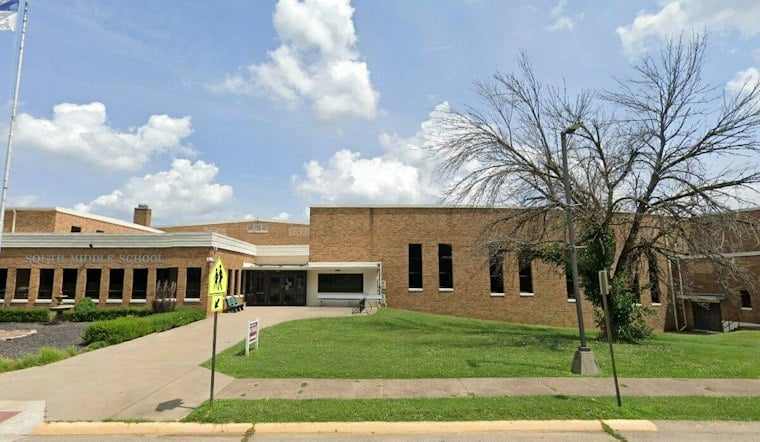
In Henderson, Kentucky, police said in September they had identified AI-generated photographs of two minor victims on a digital device during an investigation at South Middle School, as reported by 14 News. And at Davies Career and Technical High School in Rhode Island, a teacher was placed on administrative leave earlier this month after parents alleged he photographed female students and used AI to create inappropriate images of them; state police later said their investigation determined nothing criminal had occurred and no arrest was made, according to Turn to 10.
A Growing Pattern Schools Are Still Learning to Handle
The broader numbers suggest Clearwater is far from alone in confronting this problem. A RAND survey of K-12 principals found that 13% reported bullying incidents involving AI-generated deepfakes during the 2023-2024 and/or 2024-2025 school years, with high school principals reporting such cases at a noticeably higher rate — 22% — compared with 8% of elementary school principals, according to RAND. Among schools that had experienced these incidents, the same survey found 79% took disciplinary action and 66% referred cases to law enforcement, though only 23% had updated their policies with AI-specific language.
Preparedness gaps appear widespread. An Education Week Research Center survey of 852 educators found that one in three did not know whether their school or district had a policy addressing AI-generated fake images, while 22% said no such policy existed at all, per Education Week. Nine in 10 educators in that survey said they had not received training in the past two years on detecting or responding to deepfakes, and a separate 2024 student survey cited by the outlet found that one in four K-12 students knew someone who had been depicted in a nonconsensual, sexually explicit deepfake.
The scale of AI-generated abuse material has also expanded sharply at a national level. Reports of AI-generated child sexual abuse images to the National Center for Missing and Exploited Children’s cyber tipline jumped from 4,700 in 2023 to 440,000 in just the first six months of 2025, according to a report from PBS NewsHour and the Associated Press. That same report described a Louisiana middle school case in which two boys were ultimately charged after AI-generated nude images circulated, but not before one of the victims was expelled for starting a fight with a boy she accused of creating the images. Researchers at Stanford HAI have said the prevalence of this material in schools specifically remains unclear but does not appear overwhelmingly high at present, according to the institute.
For now, Clearwater R-I has not released further details about how many students were involved or affected, and the district has described the situation as a developing story that will be updated as more information becomes available. Families with information are being directed to contact the high school office directly rather than sharing images further.




