

























































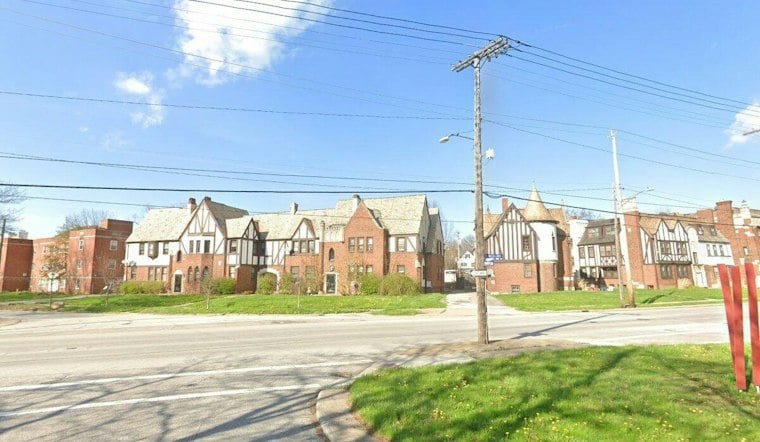
Shaunti Jordan had rented a Cleveland house for more than a decade when she learned her landlord had quietly stopped paying the property taxes. Cuyahoga County moved to foreclose on the landlord-owned, more-than-100-year-old home in the Kinsman neighborhood, auctioned it twice without finding a buyer, and the property was headed for state forfeiture by the end of 2024. Jordan was at risk of being forced out, but instead ended up with the deed in her own name — for $500.
The county had sought to recoup more than $25,000 in real estate taxes and penalties on the house, according to News 5 Cleveland WEWS. Jordan's former landlord had bought the property out of state forfeiture back in 2012, and the station reports he simply stopped paying the bills years later, leaving her at risk of being forced out of the house. A stranger eventually offered her the chance to become a homeowner for $500, and in late 2025 she received the deed to a house valued at roughly $60,000.
A Pilot Program Built to Stop the Cycle
Jordan's rescue came through Make It Home Cleveland, a pilot that launched in early 2024 with the goal of creating 50 homeowners out of renters stuck in tax-delinquent properties. The program aimed to break a cycle of property distress by using the Cuyahoga Land Bank's state-given powers to pull homes off the forfeiture-sale list and transfer occupied properties to the tenants already living in them. Enterprise Community Partners led the effort, with the Rocket Community Fund providing start-up administrative funding and the United Way of Greater Cleveland, the George Gund Foundation, the Cleveland Foundation and the Third Federal Foundation also contributing.
According to the same News 5 Cleveland report, representatives from the Northeast Ohio Coalition for the Homeless knocked on more than 500 doors across the city to find eligible tenants. Most beneficiaries lived on Cleveland's East Side — an area where, per Enterprise Community Partners, more than 78% of the city's tax-delinquent properties are located. Most were Black women serving as the primary decision-makers in their households, and the group's median household income was just $24,000 a year.
Repairs Ran Far Over Budget
After Jordan closed on the property, contractors replaced her roof, waterproofed the basement, rebuilt the deteriorating side porch and replaced the kitchen floor — tackling the leaks and structural problems she had lived with for years. The CHN Housing Partners arranged the contractors and provided mandatory homeownership counseling to buyers going through the program, the station's report notes.
But the repairs cost far more than planned. Program partners had budgeted $34,000 per home for essential fixes, yet the average repair bill came in at $76,000 — over twice the original estimate. Those repair costs consumed about $1.5 million in federal pandemic-recovery money that the city of Cleveland had funneled into the program, money that came from a one-time pool of American Rescue Plan Act funds that had to be spent by the end of 2026.
Only 20 Homeowners Before the Money Ran Out
That gap between budget and reality meant Make It Home Cleveland fell far short of its goal. The pilot produced only 20 homeowners before running out of cash, nowhere near the 50 households it initially set out to help. Enterprise's own announcement of the program had pointed to Detroit's original Make It Home effort — created by the Rocket Community Fund in 2017 in partnership with the United Community Housing Coalition and the city of Detroit — as a model; that program had created 1,500 new Detroit homeowners by April 2024, with the city buying tax-foreclosed properties before auction and residents repaying through interest-free land-contract deals over a few years, aimed at preventing families from losing longtime homes after a parent died without an estate plan.
Ayonna Blue Donald said the Cleveland program's impact should be measured by whether buyers remain property owners over time, not simply by the number of deeds transferred. She said the effort stabilized neighborhoods, prevented vacancy and returned properties to the tax rolls, and that Jordan in particular gained instant equity through the deal. Blue Donald did not rule out restarting the program if additional philanthropic support becomes available.
Building Something for the Next Generation
Jordan, now 47 and working as a clerk for the Ohio Bureau of Motor Vehicles, lives in the house with her adult daughter and 2-year-old granddaughter, Paityn. She told News 5 Cleveland that help arrived at the right time. Through the same program, she also acquired an empty lot next door after the Cuyahoga Land Bank removed the neighboring parcel from state forfeiture, and she envisions turning it into a play area for her granddaughter.
The Legal Aid Society of Cleveland also worked with Jordan on estate planning, aiming to ensure the property eventually passes to her adult children without going through Cuyahoga County Probate Court. Local nonprofits involved in the broader effort have been working to transfer other occupied homes in state forfeiture directly to their tenants, following the same model that gave Jordan a stake in a house she had rented for years.
Housing instability tied to absentee or struggling landlords isn't isolated to Jordan's case. Cleveland City Council separately introduced legislation for a $1 million grant to the United Way of Greater Cleveland to administer a tenant housing-stability program, a response to reports of tenants elsewhere in the city facing utility shutoffs and going without heat or water after a property manager disappeared and an out-of-state landlord could not be found, according to Cleveland Scene.




