

























































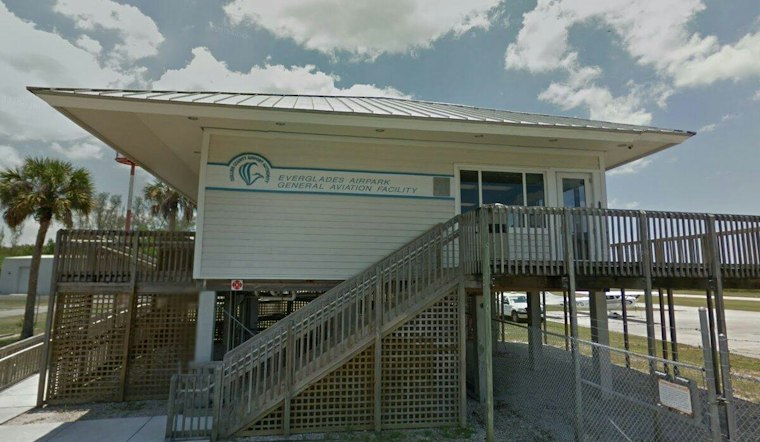
Collier County commissioners have walked away from a deal to buy 52 acres of waterfront land next to Everglades City, pulling back an offer that had climbed to nearly $7 million after more than a year of negotiations. Commissioners voted 4-1 to cease purchase talks, with county staff recommending the move because they considered the site insufficiently useful without a boat ramp on the property.
A Deal Years in the Making Falls Apart
The property, known as the Everglades Outpost, sits beside Collier County's Everglades Airpark. According to coastalbreezenews.com, commissioners voted 4-1 at their Sept. 22 meeting to halt negotiations to acquire the parcels. Commissioner Bill McDaniel, who represents District 5 and includes Everglades City in his district, had moved at that meeting to delay the vote until after the November election, according to the Collier Clerk of the Circuit Court & Comptroller.
The six parcels had been listed for $9.5 million by LSI Companies, which marketed the property as the next regional waterfront development in South Florida and a trophy hospitality asset. Collier County initially offered $8.5 million in June 2025, but that offer was rejected. EC Land Holdings LLC, which had bought the land for $4.5 million in 2023, eventually accepted a lower offer. The county's May 26, 2026 agenda recommended approval of a purchase agreement, but the Board deferred action until June 9.
Conflicting Price Tags on the Table
Exactly how much the county had agreed to pay remains murky across the record. The Collier Clerk of the Circuit Court & Comptroller says the final Letter of Intent set a purchase price of $6.9 million or the average of two county appraisals, whichever was lower, with that average appraisal determined to be $6.615 million. A separate report from Marco Island News describes the accepted offer simply as $6.9 million after the county, armed with two appraisals in hand, lowered its bid. Either way, the final number fell well short of the original $9.5 million asking price.
The clerk's office also raised questions before the deal collapsed, noting the acquisition was being considered despite having no definitive uses of the property and flagging that it was unclear how $3 million from Conservation Collier would be used as a funding source. County officials had floated potential uses including airport-related purposes, public water access and recreation, and housing or other compatible public-serving uses, though the county described those uses as preliminary in nature.
Everglades City's Conditions and the Boat Ramp Fight
Everglades City Council approved the county purchase subject to a list of conditions, among them that the county not build a boat ramp on the property, that the county reimburse the city for 100% of lost property taxes — about $8,000 annually — until the land returned to the tax rolls, and that the county use 10 acres to expand the adjacent Everglades Airpark. The city's resistance to a county-run marina or boat ramp reflected worry about competition with its own waterfront businesses and the loss of taxable land.
Boat-ramp concerns were raised, with six local ramps already in the area. Mayor Grimm had earlier asked the county not to purchase the property at all, saying no reason had been explained to the city for the proposed purchase and that county ownership would remove productive land from Everglades City's tax rolls, per the clerk's office.
Commissioner Bill McDaniel had pushed back on some of those worries, saying a boat ramp would benefit county and Everglades residents, tourism, restaurants, and access to Everglades National Park. Environmentalists opposed the acquisition. Conservation Collier has financed acquisition of properties with natural resource value throughout the county since 2003. Commissioner Burt Saunders, meanwhile, said the property was too expensive for what the county could do without a boat ramp.
Collier County's own conceptual designs for the site had envisioned a public boat ramp, an expanded airpark with more hangars and airplane tie-down areas, and up to 50 residential units combining workforce-priced and at-market housing.





