

























































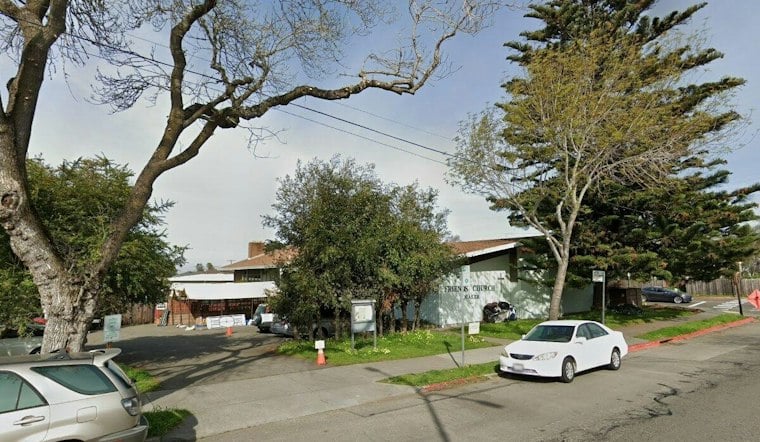
More than four decades ago, an East Bay woman opened her own home to neighbors who needed food, and she is still leading that effort today at 89 years old. What began as an informal act of generosity has since grown into what locals now consider a true community staple.
The pantry's origin story and its founder's ongoing leadership were detailed in a report by CBS News, which noted that the operation began out of the woman's home more than 40 years ago and has since expanded into a fixture of the surrounding East Bay community. Reporter Sharon Chin covered the pantry's evolution, though further operational specifics, including its exact location, client numbers, and current hours, were not detailed in that coverage.
A Familiar Pattern Across the East Bay
The story of a single person's kitchen-table generosity scaling into a lasting institution has precedent elsewhere in the region. The Berkeley Food Pantry traces its roots to 1969, when founder Dorothy Noble began feeding people connected to North Oakland Parish out of her own home before the need outgrew what she could manage alone, according to a 2019 retrospective by Berkeleyside. That outlet reported Noble eventually sought help from the Berkeley Friends Church as the operation grew too large for one household to sustain.
Decades later, the Berkeley Food Pantry now feeds about 1,700 people a month, per Berkeleyside's report, and relies on roughly 180,000 pounds of food annually that might otherwise have been thrown away. The same report found the pantry runs with just two part-time paid employees and about 50 volunteers over the course of a year, operating three afternoons a week, Mondays, Wednesdays and Fridays, from 2 to 4 p.m.
Why Home-Grown Pantries Still Matter
The persistence of these grassroots efforts comes against a backdrop of rising need across California. A 2025 survey found that one in four California adults experienced food insecurity, a figure that climbed to one in three among adults with children at home, according to the California Association of Food Banks. The same survey found about 20% of California adults reported turning to the charitable food system for help, a detail reported by KQED.
The California Association of Food Banks also estimates that roughly 16 million Californians, or about 40% of the state's population, have incomes below what it costs to meet basic needs in their community. That organization's network of 43 food banks and nearly 6,000 community partners has been serving 6 million people a month since 2024, up from 4.5 million at the height of the pandemic.
Locally, the picture is murkier but still concerning. Berkeleyside has reported that about 13.4% of Alameda County residents experience food insecurity each year, while the East Bay Community Foundation has put the figure closer to one in four county residents, noting that nearly 180,000 people were relying on SNAP or CalFresh benefits as of late 2025. In neighboring Contra Costa County, the same foundation reported 107,000 residents depended on those benefits during the same period.
Federal Cuts Add Pressure
That need could intensify in the months ahead. KQED has reported that federal SNAP rule changes were expected to put more than 650,000 Californians at risk of losing CalFresh support, tied to $187 billion in SNAP cuts planned over a decade under H.R. 1, the federal tax bill signed into law by President Donald Trump in 2025. For community pantries like the one the East Bay founder started from her own home, that kind of federal pullback only raises the stakes for the informal safety net neighbors have built for one another, one meal at a time, for more than 40 years.




