

























































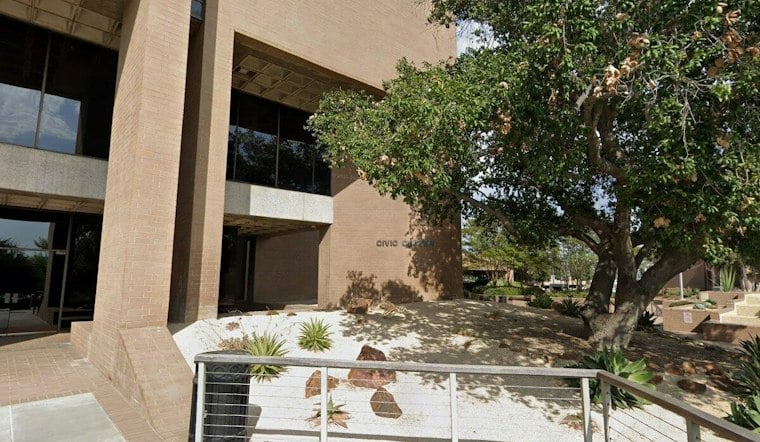
City Manager Graham Mitchell confirmed on Sept. 27 that El Cajon suffered a “network security incident,” kicking off an internal investigation and the hiring of a third-party forensic firm to figure out exactly what was taken. Since then, a nearly eight-terabyte trove of city data, including employee W-2s, 911 call recordings and undercover police rosters, has turned up on a ransomware leak site, raising fresh alarm in East County over just how deep the breach may run.
According to NBC 7 San Diego, the Rhysida ransomware group has claimed responsibility for the theft, a claim made per cyber watchdog organizations tracking the group's activity. The outlet's search-result snippet also flagged that the identities of undercover police officers, sensitive health data and financial information may have been leaked, though that detail has not been independently confirmed beyond the snippet itself. The city, for its part, says it remains fully operational while the investigation continues, telling the station, “At this time, we are fully operational.”
A separate listing on Ransomware.live pegs the alleged dump at roughly 7.8 million files totaling about 7.8 terabytes, a figure in the same range NBC 7 reported. The tracking site is careful to note that its listings reflect claims made by criminal groups and have not been independently verified. A related Ransomware.live listing also claims the stolen cache includes roughly 6.3 million 911 call recordings spanning about three years, though that too remains an unverified claim from the group itself rather than a confirmed city disclosure.
City Says It's Working to Limit the Fallout
El Cajon says it is working to minimize potential community impact and prioritizes safe, efficient remediation while protecting the data it maintains, per the same NBC 7 report. The city has not detailed a timeline for when the forensic review might conclude or when residents and employees might learn whether their specific records were exposed, and the station's reporting does not resolve that question.
Gary Hayslip, a cybersecurity expert with San Diego's Cyber Center of Excellence who previously served as a high-level cybersecurity official with the city of San Diego, told the station that cities, hospitals and colleges are attractive targets precisely because they store so much of the public's data. He said municipal technology environments often blend older and newer systems, and that leftover open connections can give attackers an opening. Hayslip added that criminal syndicates treat stolen data as a straightforward source of money, calling cybercrime a multibillion-dollar business, and he said even small mistakes inside an organization's network can create major vulnerabilities.
A Pattern Playing Out Beyond El Cajon
Hayslip said malicious actors often target an entire region rather than a single municipality, and he encouraged other county cities to strengthen their defenses and keep up on cyber maintenance. He noted that the Cyber Center of Excellence offers free resources for organizations that want help shoring up their systems.
Rhysida has been linked to similar claims against other government targets this year. Berlin's city administration confirmed that cybercriminals were attempting to extort the city after Rhysida listed it on a data leak site, according to BleepingComputer, which reported the group claimed to have exfiltrated 5.79 terabytes of data comprising roughly 1.44 million files from the city's administrative network. Berlin Mayor Kai Wegner said the city would not pay the attacker.
A comparable case unfolded in Maryland, where Anne Arundel County said an unauthorized actor accessed a limited number of county systems and copied certain files during an August cyberattack, as reported by Cybernews. Rhysida claimed it stole 2.6 terabytes of data comprising 814,500 files from the county and advertised the cache for 25 bitcoin, which the outlet valued at roughly $2 million.
For now, El Cajon's investigation remains open, and the dossier of claims circulating on leak sites has not been independently verified beyond what the city and forensic investigators have confirmed. Residents and employees concerned about exposure have no official city timeline yet for further updates, according to NBC 7's reporting.





