

























































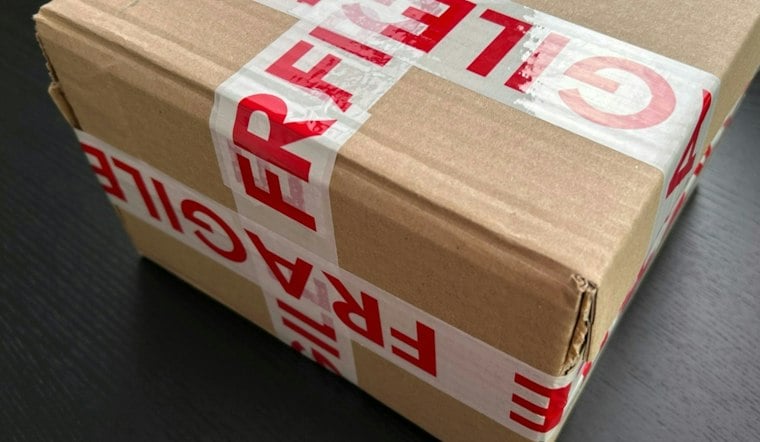
A Phoenix woman opened a package addressed to her with her full name and home address printed on the label, only to find an empty bag inside. A Scottsdale man got a nearly identical box in the mail. His was empty too. Neither had ordered anything.
The two cases are among a string of unsolicited deliveries turning up across the Phoenix area, according to yourvalley.net, which reported that BBB Scam Tracker logged the Phoenix woman's package along with the Scottsdale man's empty box. Other Arizona residents have described even stranger hauls: 50 random seeds, what one recipient called “a really ugly dress,” 23 empty envelopes, and 40 neck and back patches, the outlet reported. The pattern points to what's known as a brushing scam, a scheme Wisevoter reports has been showing up with increasing frequency in Arizona mailboxes and doorsteps.
How the Scam Actually Works
In a brushing scam, someone first gets hold of a person's name and address, often scraped from data available online. They then send a fake order to that address, using the real name and address so it looks legitimate on arrival. Once the package shows as delivered, the scammer posts a positive review of the product as if the named recipient had actually bought and received it, according to the Scottsdale-area report.
The motive isn't really about the item inside the box, empty or otherwise. These fake orders exist to artificially inflate a seller's ratings, sales figures, or search rankings, padding their online reputation with reviews from real, verified-sounding names. The Better Business Bureau describes brushing scams as an increasingly common tactic, a trend click2houston.com has also tracked, noting that federal officials have separately warned consumers about packages sent specifically to try to steal personal or financial information.
Packages Traced to Shipping Hubs in Two States
The Better Business Bureau says it has traced many of the packages showing up around the Phoenix area back to two shipping centers, one in southern California and one in Texas. The BBB is a nonprofit that rates businesses and tracks consumer complaints, and it has recommended that anyone who receives unexpected merchandise check their online shopping accounts for unfamiliar orders and consider changing account passwords as a precaution, guidance the organization issued in an August 2024 notice.
Beyond the mystery of who's behind any individual box, authorities have flagged a separate risk showing up on some of these packages: QR codes. The FBI, the country's principal federal law enforcement agency, has warned that scanning a QR code on an unexpected package could direct a phone to a fake website designed to steal personal or financial information, or prompt a malware download, per the reporting on the Arizona cases. The bureau has specifically urged recipients not to scan any QR code found on a package they never ordered.
What Recipients Are Being Told to Do
Anyone who gets one of these mystery boxes can help investigators by reporting the package to the Better Business Bureau, which has been the main channel tracking where the shipments originate. The Arizona reporting also notes that brushing scams can be reported to the Arizona Attorney General's Office. As for the empty bags, patches, and seed packets already sitting on porches around the Valley, recipients have reportedly been told they're allowed to just keep them.
Who exactly is behind the shipments, and how many Arizonans have been targeted, remains unclear. No arrests or charges connected to the scheme have been reported.





