

























































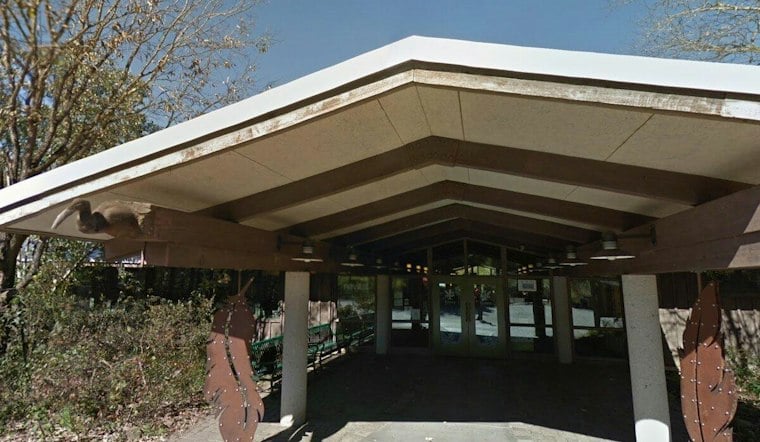
Five Knoxville city parks now have publicly accessible outdoor defibrillators for the first time, giving visitors a shot at reviving someone in cardiac arrest before paramedics arrive. The devices went in at Victor Ashe Park, Ijams Nature Center, Tyson Park, Lakeshore Park and Claude Walker Ballfields, filling a gap that officials say existed at every city park until now.
Before the installation, no city park had a publicly accessible outdoor AED usable during park hours, according to officials cited by WBIR. The American Heart Association donated the five units, and as reported by WATE, the AEDs can be found at Victor Ashe Park, Ijams Nature Center, Tyson Park, Lakeshore Park and Claude Walker Ballfields. The association says the devices are the first publicly accessible outdoor AEDs available in city parks and expects them to impact over one million parkgoers each year.
Training Kits and a Response Plan Came With the Devices
The donation went beyond hardware. Per the same WATE report, the package included CPR and AED training kits for each park, and the American Heart Association also worked with Knoxville's Parks and Recreation department to implement a cardiac emergency response plan. Kayla Smith, executive director of the Greater Knoxville American Heart Association, said the group trained a large share of parks staff directly. “we were able to train a lot of their staff in CPR and get them certified,” Smith told the station.
Smith said the reach of the effort comes down to how many people pass through these spaces. “more than one million yearly opportunities exist for a lifesaving device to be within reach,” she said, adding that parks bring together families, children, exercisers and the community. She also framed the risk in blunt terms, saying cardiac arrest can happen anywhere to anyone at any time.
Why City Hall Is Calling This a Public Safety Win
Knoxville Mayor Indya Kincannon said she was grateful for the American Heart Association's donation and described public safety as her top priority. She said the AEDs will provide park users daily access to life-saving equipment, according to WBIR's reporting.
Officials emphasized just how steep the odds are without fast intervention: nine out of 10 people who suffer an out-of-hospital heart attack die, and a person's chance of survival decreases by 10% for every minute without CPR while waiting for emergency services. Calling 911, immediately starting CPR and using an AED can triple someone's chance of surviving an out-of-hospital cardiac arrest, the American Heart Association said, a figure echoed in the WATE report as well.
How the Devices Work in an Emergency
The system is designed to be usable by bystanders with no medical training. In a cardiac emergency, witnesses are instructed to call 911 and remove the AED from its cabinet, which triggers an alarm, and 911 operators can then talk the witness through how to use the AED and perform CPR, per WATE's account.
Funding for the AEDs came from American Heart Association donors along with support from Pilot Company, the station reported. Knoxville's parks system receives well over one million visitors a year, which officials say is exactly why having equipment on-site, rather than relying solely on first responders traveling to the scene, matters so much in the critical first minutes of a cardiac event.
A Longer History of Closing AED Gaps Locally
The push to put defibrillators within reach of ordinary bystanders isn't new to the Knoxville area. A 2013 report from archive.knoxnews.com estimated the county had about 155 AEDs at the time, including more than 60 in businesses and roughly five in local churches, and noted that experts wanted a device within 300 feet of where it might be needed. That same report said all Knox County public and private high schools had AEDs, most with more than one, and that Project ADAM Tennessee had placed 45 AEDs over two years, split between funding from the nonprofit and East Tennessee Children's Hospital.
Those older devices have already made a difference in real emergencies. The 2013 report described a News Sentinel employee who collapsed at work and was revived after a device administered the shock that restarted the employee's heart, and recounted how an AED at Central High School was used by Coach Jon Higgins and students to revive freshman Hunter Helton after he collapsed at basketball practice. The new installations extend that same logic to green space, putting lifesaving equipment where families gather for walks, games and hikes rather than just inside school gyms and office buildings.




