

























































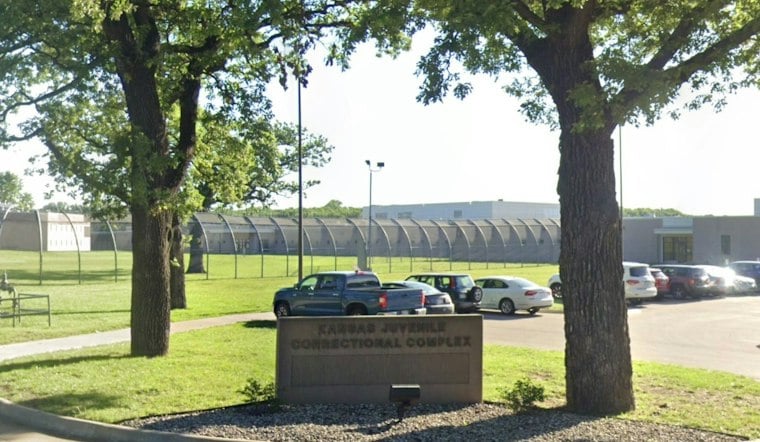
A former officer at the Kansas Juvenile Correctional Complex in Topeka has been sentenced to probation after admitting he solicited sex from a 15-year-old female inmate at the facility. Deandre L. Steele, 31, pleaded guilty Sept. 28 to indecent solicitation of a child involving committing or submitting to an unlawful sexual act, and on Nov. 13 a Shawnee County judge handed him two years of supervised Community Corrections probation instead of prison time.
Shawnee County District Judge Bill Ossmann imposed a prison sentence of one year and six months on Steele, then suspended it in favor of the probation term, according to the Kansas City Star. Court records indicated that sentencing guidelines called for Steele to be placed on probation for the crime to which he pleaded guilty, the paper reported. Under Kansas law, indecent solicitation of a child is classified as a severity level 6 person felony, according to the Kansas Revisor of Statutes.
As part of the plea deal, prosecutors dismissed a separate charge accusing Steele of attempted unlawful sexual relations by a corrections employee with a juvenile inmate, the Star reported. Prosecutors alleged Steele solicited the inmate between November 2025 and January 2026 at the Kansas Juvenile Correctional Complex, located at 1430 NW 25th in Topeka, where he was employed at the time. The complex houses both male and female juvenile offenders, per the same account.
How the Allegations Surfaced
Kansas Department of Corrections special agents launched an investigation after being notified of the allegations in January, Shawnee County District Attorney Mike Kagay said, according to the paper's report. Formal charges were later filed in Shawnee County District Court, and an arrest warrant was issued July 21, according to WIBW.
Kansas relies on a statewide sentencing grid to guide district judges, using crime severity alongside a defendant's prior criminal history to establish minimum, standard and maximum sentencing ranges. The grid, which covers both drug and nondrug offenses, sets presumptive sentences for crimes committed on or after July 1, 1993, the Star noted in its report.




