

























































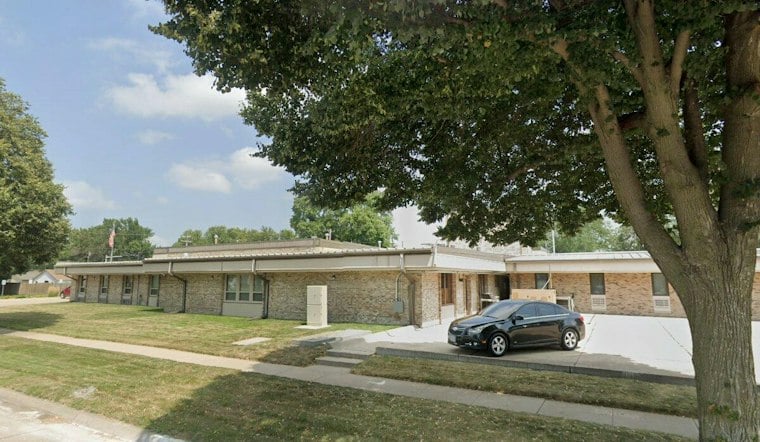
Fremont voters rejected a sales-tax increase meant to pay for a second fire station and a replacement of the station the city already has. Opposition came in at 63%.
That leaves the station work without the financing path officials put on the ballot. City Administrator Jody Sanders says council members are now meeting individually with staff to sort through what is still possible, KETV reported.
What The Ballot Actually Did
The measure would have raised the rate from 1.5% to 2% for 20 years. The increase was intended to fund bonds for the two station projects, and the stations were the primary use of the money.
They were not the only use the ballot allowed. Sanders said the language permitted the funds to be spent on other purposes.
Steve Ray voted no. He said he understands the need for a second fire station, but he thought the ballot should have said the money was exclusively for that station. He also said people feel they have been taxed out.
Who The Tax Would Have Hit
Mark Jensen said the council chose a sales tax hoping to spread the cost among more people. Sales tax is paid by people who shop in Fremont. A property-tax levy falls on Fremont citizens.
That distinction cut both ways. Some residents, in off-camera interviews with KETV, supported the measure because they thought sales tax was a better way to fund the project.
The proposal also followed another recent city tax change. The Fremont Tribune reported that the sales-tax request came after a 1% increase in the city's food-and-beverage occupancy tax. Before the vote, Councilmember Sally Ganem had already warned about the stack, telling 3 News Now that "it has a cumulative impact."
After the results, Ganem called the vote a resounding rejection and said voters spoke clearly.
The Station Already On Paper
Earlier design updates described a planned satellite Station 3 of roughly 15,600 square feet, with a footprint of about 13,371 square feet. Construction costs were tracked just under $11 million, and full development costs under $12 million, Citizen Portal reported. An earlier architect briefing had put the same facility at roughly 15,600 square feet, with full development also under $12 million.
Those figures are design-stage tracking, not a post-election bid. The city's fire-station project page says existing public-safety sales-tax revenue already helps pay for ambulances, fire trucks, police vehicles, radios, protective gear, and other equipment. Based on current costs and revenue, the city does not anticipate enough from that source to also pay the proposed station bonds.
Bonds, Waiting, And Another Ask
Sanders said the sales-tax increase was one of several financing options for the satellite station. Public safety bonds remain available. He said a property-tax levy can repay those bonds, up to 5 cents per $100 of valuation. That is a repayment cap he described, not a household bill the city has calculated.
Waiting has its own price tag, and the city is trying to put a number on it. Sanders said Fremont is evaluating potential cost increases and other risks from delay, including the possibility of asking voters to reconsider a sales-tax measure. The city is working through that review with the project architects and the construction manager at risk.
Ganem and Jensen both said the stations are still needed, and both said everything is under consideration. Ganem's concern is the calendar. She said putting off construction could raise costs, and that delayed bond projects she had seen in public schools doubled in price. That is her experience with school work, not a forecast for these stations.
She has also asked Fremonters a more uncomfortable question: if cuts become necessary, which services should go. The staff meetings and the architects' cost review are the work in front of the city. No financing choice has been announced.



