

























































Georgia's nonprofit hospitals pocketed roughly $2.1 billion in tax breaks last year, but a new accountability scorecard shows barely half of them gave back more to their communities than they received. The findings, paired with the story of a Cherokee County woman who was hit with a $39,000 bill and no guidance on how to lower it, are renewing calls for the state to set firmer rules on hospital financial assistance.
Georgia nonprofit hospitals receive billions of dollars in tax breaks in exchange for providing community benefits, including patient financial assistance, and that bargain is now facing fresh scrutiny. Georgia Watch released its 2026 Georgia Hospital Accountability Scorecard on Thursday, scoring 120 nonprofit hospitals using self-reported data the facilities have shared since July, according to Georgia Watch. The group estimated hospitals received approximately $2.1 billion in tax-exemption benefits while reporting $3.2 billion in community-benefit spending, of which $1.9 billion directly supported patients and communities, per the same report.
Only 51% of hospitals spent more on direct community benefit than they received in tax exemptions, Georgia Watch's scorecard found. As WSB-TV reports, that scrutiny comes amid greater transparency requirements for Georgia hospital community-benefit spending following Atlanta Medical Center's closure.
A $39,000 Bill With No Explanation
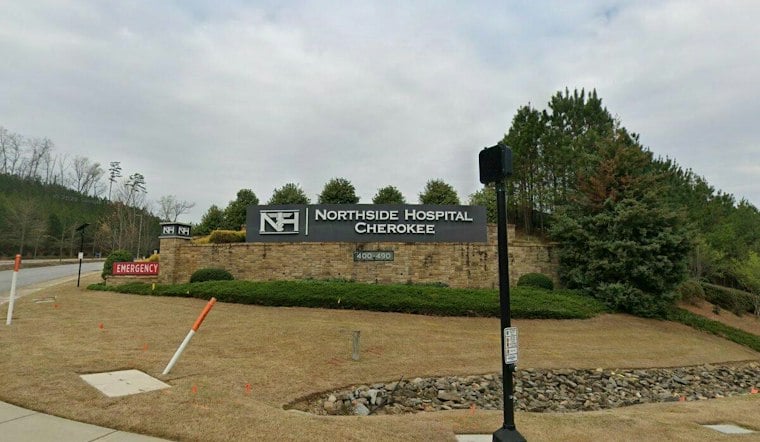
Morgan Pavolony's experience illustrates the stakes. She received a $39,000 bill from Northside Cherokee Hospital after being hospitalized with no health insurance, according to WSB-TV. Dollar For, a nonprofit that helps patients navigate medical debt, separately recounted that Pavolony stayed at the hospital for a week to detox before going directly into rehab, and that she was stunned to see a balance close to $40,000, per Dollar For.
Pavolony told WSB-TV that Northside Cherokee emailed her the bill months later without walking her through anything. She sought help from Dollar For, which contacted Northside on her behalf; her bill was ultimately reduced by 96% through financial assistance, the station reported. Dollar For's own account notes she later received an email saying her bill had been forgiven. Pavolony said that if she had known about financial assistance from the start, she could have navigated the bill more easily, according to WSB-TV.
Who Scored Highest and Lowest
The scorecard's updated methodology this year added scoring for Community Health Needs Assessments, captured uninsured patient usage through self-pay data, used registered nurse wages for pay equity, and introduced half-star ratings, Georgia Watch said. Among metro Atlanta hospitals, Children's Healthcare of Atlanta ranked highest, earning five out of five stars for community-benefit spending and charity-care policies, per WSB-TV.
At the other end, Southern Regional Medical Center ranked lowest among metro Atlanta hospitals and 115th out of 120 hospitals statewide in the scorecard, WSB-TV reported. A Southern Regional spokesperson said its corporate foundation provides nearly twice as much charity care as peers across its hospitals, and that the hospital provides charity care and financial assistance to eligible patients with household incomes up to 400% of the federal poverty level, according to the station.
Inconsistent Help and a Push for State Standards
Liz Coyle, executive director of Georgia Watch, said nonprofit hospitals have inconsistent financial assistance offerings for patients, WSB-TV reported. Channel 2 Action News Investigates previously reported that Piedmont and Emory hospitals steered some patients toward medical credit cards rather than no-interest or low-interest in-house payment plans, according to the station's reporting.
Coyle said Georgia should establish statewide standards for hospital financial-assistance programs and that state laws should standardize those policies, per WSB-TV. Republican state Sen. Chuck Hufstetler of Rome proposed legislation aimed at standardizing hospital financial assistance during the last legislative session, the station reported.
What Senate Bill 626 Would Require
That effort, Senate Bill 626, is known as the Georgia Medical Debt Fairness Act. The bill would direct the Georgia Department of Community Health to publish a uniform sample financial-assistance policy, screening tool, and application form, according to a BillTrack50 listing of the proposal. It would also set requirements for hospitals around financial-assistance screening, billing, appeals, payment plans, and debt collection, per the same listing.
BillTrack50 shows the bill was read and referred in the Senate on March 19.
Federal Rules Already on the Books
Nonprofit hospitals already face some federal accountability requirements tied to their tax-exempt status. The IRS requires hospital organizations to report on Form 990, Schedule H, detailing each facility's community health needs assessment, financial-assistance policy, emergency medical care policy, and billing and collection policies, according to the Internal Revenue Service. Under Section 501(r), hospitals seeking 501(c)(3) status must meet facility-by-facility requirements covering those same community health, financial-assistance, and billing obligations, per the IRS.



