

























































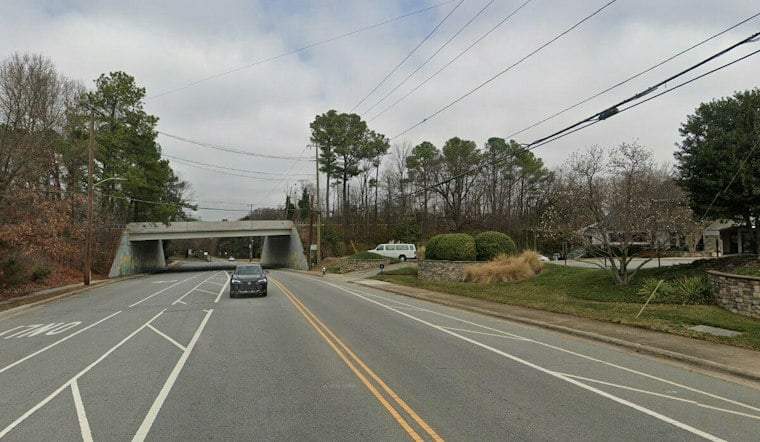
Greensboro City Council has settled on a developer to turn a former church lot in the Glenwood neighborhood into affordable housing for seniors, picking a smaller, faster-moving proposal over a rival plan that would have delivered more than double the apartments. Every council member except Mayor Marikay Abuzuaiter voted for the plan from Legacy Homes & Construction, which calls for 21 units.
The vote, held this week, came after more than 10 people spoke in favor of the competing proposal from Affordable Housing Management, Inc. and the nonprofit Glenwood Together, according to WFDD. That proposal would have built 52 apartments, more than twice what Legacy Homes plans to construct on the same site.
The two proposals differed sharply beyond unit count. Legacy Homes' plan targets seniors earning at or below 80% of the area median income, with rents ranging from $819 to $1,437, according to greensborothread.com. The Glenwood Together and AHMI proposal aimed lower, serving households at or below 60% of area median income with rents between $353 and $1,004, the outlet reports.
A Scoring Gap That Didn't Decide the Vote
In the city's most recent scoring round, the Glenwood Together and AHMI proposal actually outscored Legacy Homes, 73 points to 60, per the same greensborothread.com report. Despite that gap, council members who backed Legacy Homes did so largely because of timing: some favored the proposal for its quicker construction schedule, WFDD reported. Legacy Homes' plan lists a 2028 construction start, while the Glenwood Together proposal projects breaking ground in 2030.
For Mattie Neese, one of the residents who addressed council, the stakes went beyond a timeline. She said the decision concerns whether long-time neighbors and seniors can afford to remain in the community and what opportunities will exist for children there, according to WFDD's report on the meeting.
From Church Property to City-Owned Lot
The site at the center of the debate has its own backstory. The city bought the former church property in 2023 for $30,000, per greensborothread.com's reporting; it was a former Glenwood United Methodist Church property, and Christ United Methodist Church was the seller. The city invited developers and organizations to submit proposals to reuse or redevelop the site in January, the outlet reported, which is when Affordable Housing Management, Inc. partnered with Glenwood Together to submit their joint request for interest.
Glenwood's inclusion in this debate is not incidental. Greensboro's 2020 Housing GSO plan named Glenwood as one of five areas targeted for reinvestment, according to greensborothread.com, and the outlet describes the neighborhood as one of the city's few remaining affordable areas, with average housing prices still lower than in many other parts of Greensboro.
A Statewide Squeeze on Senior Housing
The fight over unit counts and income limits in one Greensboro neighborhood reflects pressure playing out across North Carolina. The U.S. senior population grew 33% between 2013 and 2023, according to data cited by greensborothread.com. A housing supply gap analysis found that senior households made up at least half of all households in 80 of North Carolina's 100 counties in 2024; by 2029, 90 counties are projected to see an increase in the number of senior households, the outlet reported.
Against that backdrop, the choice between 21 units arriving sooner and 52 units arriving later carries weight well beyond one city block. For now, Greensboro has placed its bet on speed, with Legacy Homes & Construction's smaller project set to move forward on the site of the old church lot.





