

























































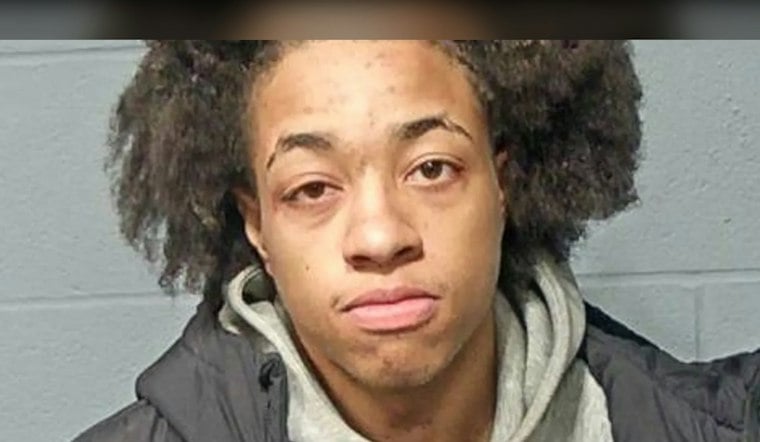
Jayshawn Johnson asked for medical help around 1 a.m. He was vomiting and coughing up blood inside Hartford Correctional Center. Instead of getting rushed to a doctor, the 20-year-old was placed on a sick-call list — and roughly eleven hours later, he was dead.
Johnson was taken into custody on April 21 following a traffic stop on Albany Avenue in Hartford, according to Patch. Less than two days later, at approximately 1 a.m. on April 23, he reported his symptoms and asked for assistance while held at the correctional facility. Rather than arrange immediate treatment, correctional staff were instructed to put him on a sick-call list, the outlet reported.
A Rapid Decline Inside the Facility
By the time Johnson's condition worsened enough to warrant transport, it was already a medical emergency. He was taken by ambulance to Saint Francis Hospital in Hartford, where he was pronounced dead at 12:12 p.m. that same day, according to the same account. The timeline — from a 1 a.m. plea for help to a midday death — forms the core of the state's review into what happened in between.
The medical examiner later determined that Johnson died of necrotizing bronchiolitis caused by an influenza B viral infection with superimposed bacterial pneumonia, as reported by the Hartford Courant. His manner of death was classified as natural. The newspaper reported that the case was investigated by the state Office of the Inspector General with assistance from Connecticut State Police.
Inspector General Finds No Criminal Wrongdoing
Connecticut Inspector General Eliot D. Prescott released his findings on November 23, concluding that police and correctional staff did not commit criminal acts that caused Johnson's death, Patch reported. As News 12 reports, the state investigation found no criminal wrongdoing in the death of the 20-year-old man while he was in custody in Hartford.
The report's release closes out a monthslong review into a death that began with a routine traffic stop and ended in intensive care. Johnson had reported vomiting and coughing up blood the morning his condition turned critical, and the gap between that report and his transport to the hospital remains the central, unresolved tension in how the case has been covered.
What the Findings Do and Don't Address
The inspector general's conclusion addressed criminal liability specifically — whether any individual's conduct amounted to a crime — rather than broader questions about the medical response Johnson received after he first asked for help.
Johnson's death adds to a string of in-custody fatalities that have drawn scrutiny to Connecticut's correctional health system in recent years, though this case concluded with state investigators finding no criminal acts by the police or correctional staff that caused his death.





