

























































Gov. Kathy Hochul said Tuesday she is still weighing whether to reform New York's Scaffold Law, a 140-year-old safety statute, but she stopped short of promising to put it on her agenda for next year. Speaking to reporters at an unrelated event in Queens, Hochul addressed the law for the first time publicly days after a fatal building collapse in Brooklyn killed at least eight people and injured at least 17 others.
Hochul had visited the site of the collapse on Sunday morning, according to City & State New York, and told reporters the tragedy would not make her lose sight of her ambition to address challenges including Scaffold Law reform. She also said the collapse would not divert her from examining ways to increase housing production, adding that any challenges to reform would be real. Hochul had not publicly discussed the prospect of Scaffold Law reform before Tuesday, per the outlet's report.
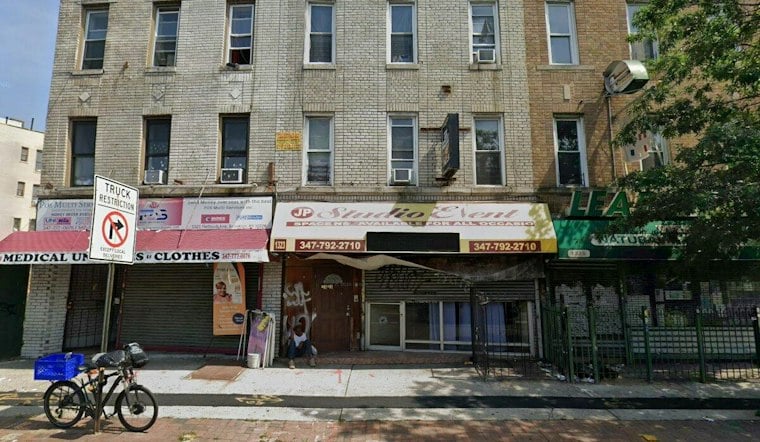
The building at 1321 Flatbush Ave. came down because of unsafe construction operations at the adjacent property, New York City's Department of Buildings said, as reported by USA TODAY. As of Thursday morning, at least eight people had died and at least 17 others were injured in the collapse, including three firefighters, the outlet reported.
A Law Unions Have Defended for Decades
The Scaffold Law is a New York-specific statute covering gravity-related work injuries, and it imposes absolute liability on contractors and property owners when faulty safety equipment causes a worker's injury. Proponents argue the law provides workers an additional layer of protection and recourse, while opponents argue the absolute-liability standard significantly increases construction costs and hinders building more housing, according to the same report from City & State New York.
Efforts to change the law have been pursued for decades and have been effectively beaten back by unions, according to POLITICO. Critics have separately argued that the law needs reform specifically because it adds to the costs of construction, according to New York State of Politics.
Business Groups and Trial Lawyers Gear Up
Scaffold Law reform is expected to be a major topic in New York's 2027 legislative session, and business interests are preparing a concerted lobbying effort to repeal or amend the law, per the City & State report. Paul Zuber, vice president of the Business Council of New York State, said business groups have found common ground with affordable housing advocates who would like to see more construction.
Standing in their way is likely to be the New York State Trial Lawyers Association, which opposed Hochul's successful bid to reform auto insurance liability laws earlier in 2026 and may again clash with the governor as it prepares to defend against significant change or repeal of the Scaffold Law. John Zaremba, the association's president, said the scaffold safety law should be defended and strengthened rather than weakened. Worker protection and safety should honor the people who died building New York, Zaremba said, adding that every worker deserves to return home safely, particularly immigrant workers and workers of color who face disproportionate job-site risks.
Precedent From Past Reform Pushes
The debate is not new. A 2025 federal bill introduced by U.S. Rep. Nick Langworthy proposed exempting federally funded projects from the Scaffold Law, and Mike Elmendorf of the Associated General Contractors of New York State said at the time that the proposal had a realistic path forward, most likely as part of a broader legislative package, according to Construction Dive.
More than a decade earlier, in 2014, the New York County Lawyers' Association Construction Law Committee had backed revisions to the law that would apply a comparative negligence standard, though the committee noted its views had not been approved by the association's board and did not necessarily represent the association's broader position, according to the New York County Lawyers' Association. Separately, New York State Assembly Bill A9633 has proposed repealing part of Labor Law section 240 and all of section 241, according to a snippet from the New York State Senate's bill page, though the measure's full text and current status were not detailed in that listing.
For now, Hochul has given no indication of which direction she will take the fight, leaving builders, unions, and trial lawyers to position themselves ahead of a legislative session where the long-running argument over who bears the cost of construction-site injuries is expected to resurface in force.





