

























































Most customers of the Redwood Coast Energy Authority are about to see their electric bills climb again. Starting December 1, monthly bills will rise roughly 5 to 6 percent, or about $7 to $10, as the public power agency tries to keep its cash reserves from sliding below a critical threshold.
The agency, which supplies power to about 90% of Humboldt County residents, says it needs the increase to keep its reserves from dropping below $26 million, according to Lost Coast Outpost. If reserves fall under that mark, RCEA may be forced to pay fees to The Energy Authority, the creditor and supplier it buys power from — a cost that would only add more financial pressure on the agency.
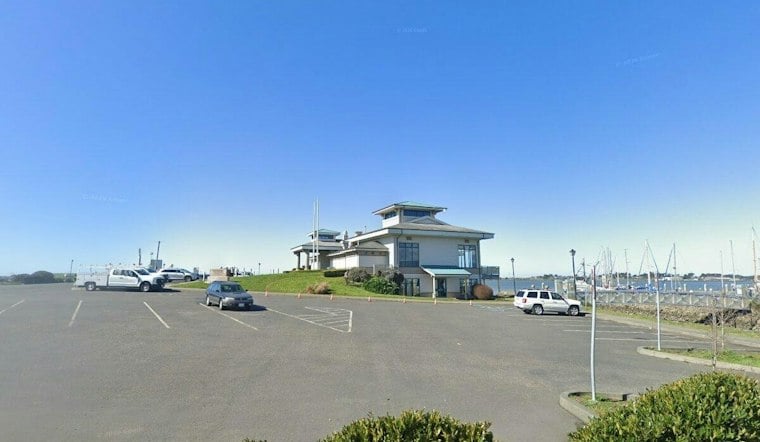
RCEA delivers its electricity over PG&E's infrastructure, even though it buys power from other sources, and that arrangement is part of what's driving costs higher. The rate change was discussed during an RCEA meeting at 3:30 p.m. Saturday at the Wharfinger Building, with RCEA's main office based in Old Town Eureka.
A Discount in the Works for Lower-Income Customers
Not every customer will feel the full brunt of the increase. RCEA is developing a lower-cost program specifically for customers already enrolled in PG&E's cost-saving initiatives for lower-income households, according to the same report. The proposed program would rely on about 50% renewable electricity, compared with RCEA's typical mix of 62% renewables, trading some green energy for savings.
Until that new program is built, eligible customers will get a monthly credit that brings their bills back down to standard PG&E rates, the outlet reports. RCEA Executive Director Beth Burks said the lower-cost program will take three to five months to develop. Around a quarter of RCEA's customers are currently enrolled in the qualifying lower-income programs, Burks said.
Why the Agency Says It Has No Choice
Burks has framed the rate hike as a matter of stability rather than growth. She said RCEA aims to stabilize prices, and warned that doing nothing would cause reserves to decline even faster. The agency projects that raising prices and keeping four unfilled staff positions vacant will boost earnings by $7 million this fiscal year and $11 million the next.
Even with those moves, the math is tight. RCEA estimates it will end 2027 only about $400,000 above the $26 million reserve threshold it's trying to protect — a thin cushion for an agency managing power for most of the county.
The PG&E Fee Behind the Squeeze
Much of RCEA's financial strain traces back to a fee called the Power Charge Indifference Adjustment, which jumped 230% this year. The California Public Utilities Commission describes the PCIA as a charge that covers an investor-owned utility's generation costs incurred before a customer switched to a third-party electricity provider like RCEA. The spike made RCEA's electricity more expensive than PG&E's for the first time in the agency's history, Lost Coast Outpost reported back in July, when the increase was expected to leave RCEA charging about $2 more per month than PG&E for the average customer.
That earlier rate change let RCEA's board raise its generation charge by up to 9.5%, with a 6% increase taking effect September 1. The Outpost notes that RCEA could charge about 25% less than PG&E if it didn't have to pay the PCIA fee at all — underscoring just how much of the agency's cost pressure comes from that single charge.
PG&E keeps its PCIA calculations private, which has become a point of frustration for RCEA leadership. A bill that would have required PG&E to make those calculations transparent passed both legislative chambers with large bipartisan support earlier this year, but Governor Gavin Newsom vetoed it in September, per the Outpost's reporting. Burks said she was frustrated by the veto and hopes a new governor will allow a refreshed version of the legislation to pass.
The rate pressure isn't entirely new. As Kym Kemp reported last year, RCEA's number of residential and non-residential accounts dropped about 2.5% from late 2022 to late 2024, while its overall power load fell about 12% over the same stretch — trends that had already put the agency's budget on track for a deficit in the 2026-27 fiscal year. That slow erosion of demand, combined with the PCIA spike, helps explain why RCEA has now raised rates again.




