

























































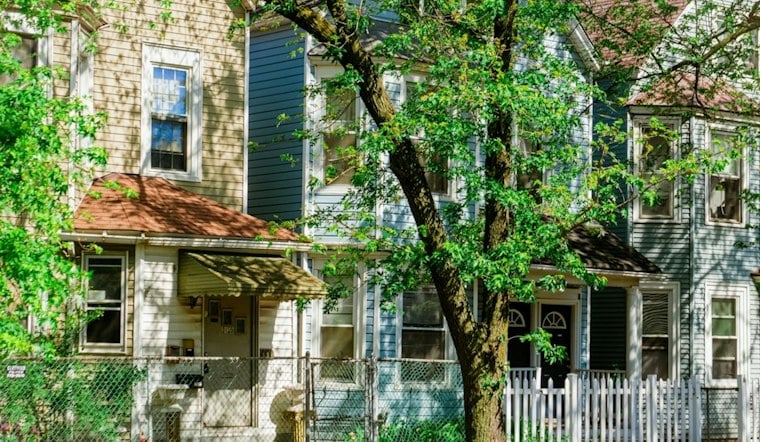
A weathered farmhouse on Jericho Road in Big Rock Township has officially earned a spot on Kane County's list of protected historic sites. The Kane County Board approved landmark status for the Welsh Settlement House at 46W756 Jericho Road, adding the property to the Kane County Register of Historic Places, according to the Aurora Beacon-News.
A Rare Link to Welsh Pioneers
Per the county ordinance cited by the Beacon-News, the house exemplifies the Big Rock settlement founded by pioneers from Wales and is architecturally significant for demonstrating construction methods brought by Welsh immigrants. Welsh settlers began arriving in Big Rock Township in the 1830s, the county notes, and meeting agenda documents reviewed by the paper put the house's construction in the 1840s, built in the Greek Revival style. A separate account from Citizen Portal places the house's likely construction closer to 1847 and describes it as reflecting Greek Revival architecture alongside rare Welsh post-and-beam framing, calling it one of the last surviving Welsh-settlement farmhouses in the area.
The path to landmark status moved through several steps this year. The Kane County Historic Preservation Commission recommended approval of the designation in September, the Beacon-News reports, and Kane County's Development Committee later voted to advance ordinance TMP-261345 to formally designate the house as a historic resource, according to Kane County Connects, which confirmed the board's final approval and the house's addition to the county register. The Kane County Board's vote landed on November 10, per the Beacon-News account.
Ownership, a Pending Sale, and a Rescue Effort
The Welsh Settlement House is currently owned by the Kane County Forest Preserve and is being divided out from the larger Big Rock forest preserve property, the Beacon-News reports. The Forest Preserve plans to sell the house property at auction, per that same account, though the timing and terms of any sale were not detailed. Once designated, the property will carry protections as a historic landmark under the ordinance, the paper notes.
Separately, Citizen Portal reports that a local preservationist has formed a 501(c)(3) nonprofit aimed at rehabilitating the house — a sign of grassroots interest in keeping the structure standing even as its ownership status shifts.
Echoes of a Past Welsh Barn Dispute
This isn't the first time a Welsh-built structure in southwestern Kane County has hung in the balance during a land transaction. Back in December 2006, the Chicago Tribune reported that the Kane County Forest Preserve District acquired nearly 116 acres of the Marvel Davis farm in the area, but Davis's separate 10-acre homestead — which included a historic barn built by the region's Welsh settlers — was excluded from that deal entirely.
Kane County has also recently wrestled with what to do about another of its aging historic properties. Officials debated whether to rebuild the roof, mothball the structure, or pursue a phased restoration for the Amasa White House, a Greek Revival limestone home built around 1846 on Fabyan Parkway in Geneva, according to TriCities Central. Estimates presented at that August 12 meeting ranged from a $152,500 straight roof rebuild to a cheaper $36,500 phased restoration plan, but the county's Administration Committee made no decision on the house's future that day, the outlet reported.
Those parallel cases underscore the balancing act Kane County faces as it tries to preserve scattered remnants of its 19th-century immigrant history while managing properties that come with real costs and, in the Welsh Settlement House's case, an upcoming change in ownership.





