

























































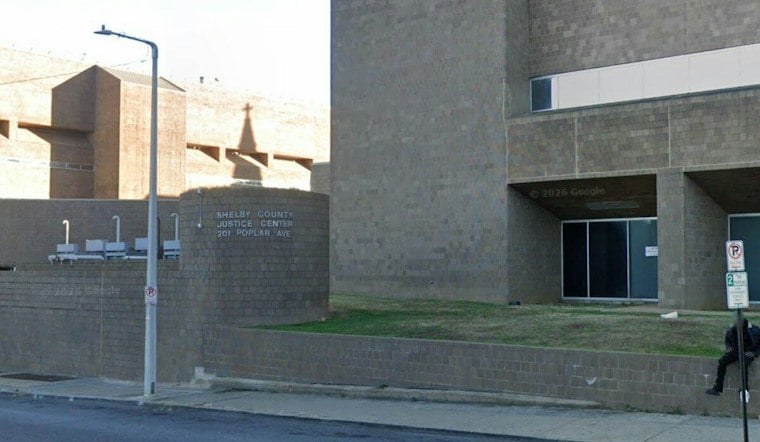
Memphis has filed 17 lawsuits against deteriorating properties across the city, aiming to force owners to fix code violations rather than let the buildings sit vacant and decaying. The cases, filed under the Tennessee Neighborhood Preservation Act, target the properties themselves and seek no monetary damages. The first Environmental Court appearances in the batch were held Thursday, November 19, 2026.
The lawsuits arrive as Memphis and Shelby County confront a broader pool of properties at risk of deterioration. The city’s 2026 State of Memphis Housing report identified 22,716 residential properties in Shelby County—7% of the total—as high-risk for disinvestment, using indicators that include vacancy, tax delinquency, falling property values and code violations. By June 30, 2026, 3,339 housing units had been added through new construction and renovations that returned vacant, disrepair-stricken homes to use, part of the city’s goal of adding 10,000 units by 2030. The city’s housing report puts the 17 cases in that wider repair effort.
The city did not handle the paperwork alone. According to Action News 5, the University of Memphis Neighborhood Preservation Clinic represents Memphis in all 17 cases, with four third-year law students — Abigail Deniston, Brenden King, Charles Woodman and Julia Springfield — doing much of the legal legwork. The students researched the properties, drafted and filed the lawsuits, and coordinated the legal notices required before a case can move forward, per the city.
City officials say the properties were referred to the clinic by Memphis's code enforcement division after complaints came in through the 311 system. Those referrals generally involved owners who had not corrected violations despite repeated notices, or owners who were appealing condemnation orders, according to the city.
Fixing Properties, Not Bulldozing Them
Memphis says the goal of the lawsuits is to address nuisance conditions and restore the properties — not to automatically tear them down. Lani Lester, the city's anti-blight litigation manager and lead prosecutor on the cases, said the legal process is still just beginning. “The cases still have a long road ahead in court,” Lester said, per the station's report.
The court process gives property owners a chance to present a plan for bringing their buildings into compliance, including how they intend to rehabilitate the property and how long the work will take. If an owner is unwilling or unable to do the work, the court may appoint a third-party receiver to take possession and oversee the rehabilitation, though that step requires notice and a hearing first. A property owner can repay the receiver once work is finished; if they cannot, the property may be sold. Under the Tennessee Neighborhood Preservation Act, the Shelby County Government's instructions for receivers note the court can authorize demolition, rehabilitation, or partial abatement and auction to a qualified buyer, depending on the circumstances.
The Neighborhood Preservation Act makes the property—not its owner—the defendant in these cases, and gives the court a sequence of remedies before a receiver can take control. The court may first order compliance; if the owner does not comply, an interested party may be allowed to undertake abatement work. Only if those steps fail to eliminate the nuisance may the court appoint a receiver to take possession and carry out an approved plan. Tennessee’s law also requires a receiver’s plan and court oversight, making rehabilitation a court-supervised process rather than an automatic consequence of filing suit.
The city says the preferred outcome is straightforward: owners complete the necessary work, bring their properties into compliance, and the case gets dismissed. “We are hopeful that owners will appear, take accountability and complete the work needed for compliance,” Lester said. She also described the clinic's role in blunter terms, calling it “the crown jewel of part of our anti-blight process” and noting it gives law students real courtroom experience while supporting the city's broader anti-blight work.
Law Students Get Courtroom Reps
For the students, the clinic offers something a lecture hall cannot. Deniston said it provides hands-on technical experience, giving students practice drafting motions, corresponding with property owners and managing relationships throughout a case. She added that the clinic's work under the Neighborhood Preservation Act is ultimately aimed at making properties habitable again and improving the surrounding neighborhoods.
Brigid Welsh, the clinic's faculty director, said understanding a property's history can help determine the right path forward in any given case. She pointed to redlining, a lack of neighborhood investment, predatory lending and foreclosures as factors that can shape a property's path to disrepair, and noted that ownership itself can get complicated — sometimes involving heirs who are unaware they hold title, or banks that never completed a foreclosure. Welsh was clear that those were general examples of how ownership disputes can arise, not details tied to any specific property among the 17 properties named in the current round of lawsuits. She said the clinic's broader aim is to give neighbors affected by blighted properties a voice and to represent their interests in court.
A Decade-Long Partnership
The Neighborhood Preservation Clinic itself isn't new. It launched in 2015 as a partnership between the city and the law school, designed to expand Memphis's capacity to deal with vacant and deteriorating properties in the wake of the foreclosure crisis. As part of their training, clinic students learn to communicate compassionately with property owners while weighing equity and ethics alongside the legal strategy.
The clinic has built a track record over that decade. A 2019 report from Action News 5 found that student attorneys had filed more than 100 lawsuits and represented the city in more than 1,000 cases since the clinic's 2015 launch, with a separate 2019 effort targeting 30 blighted properties at once. Memphis has pursued anti-blight efforts on multiple fronts over the years; WREG reported separately that the city at one point expected to have demolished 100 structures deemed condemned and a risk to nearby neighborhoods. For now, the city says the message to owners of the 17 properties named this round is simple — they bear responsibility for conditions at their properties, and the court is offering them a chance to make things right before a receiver gets involved.




